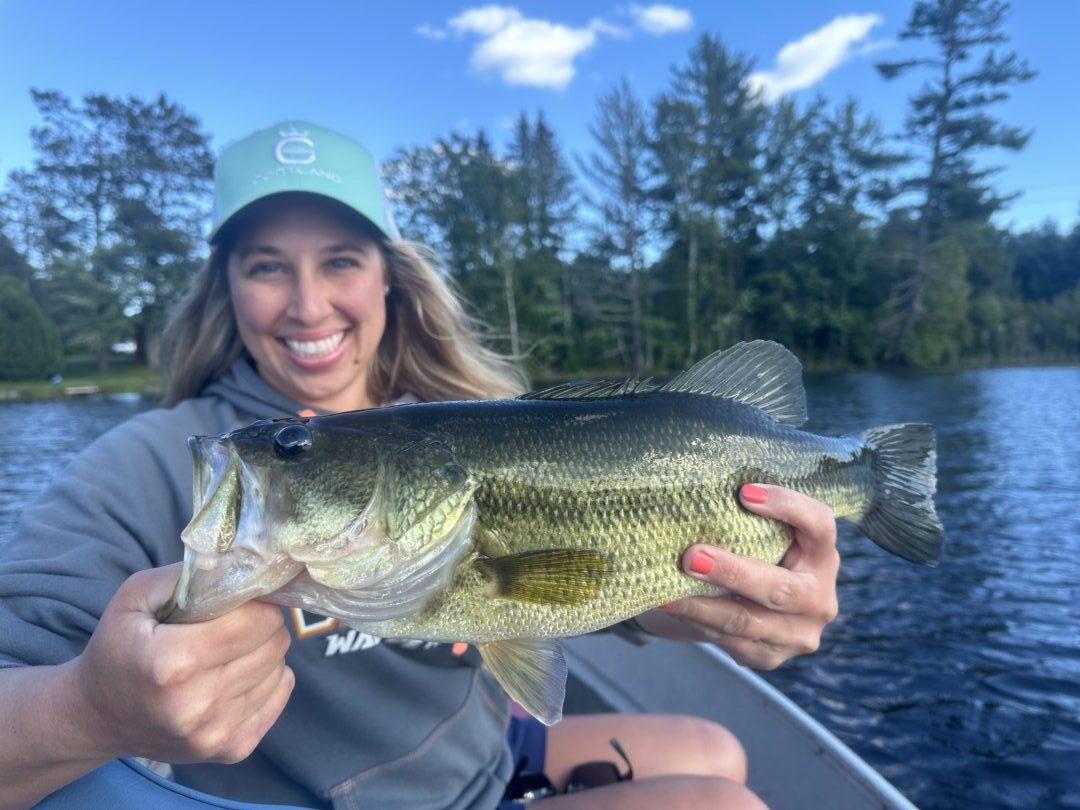
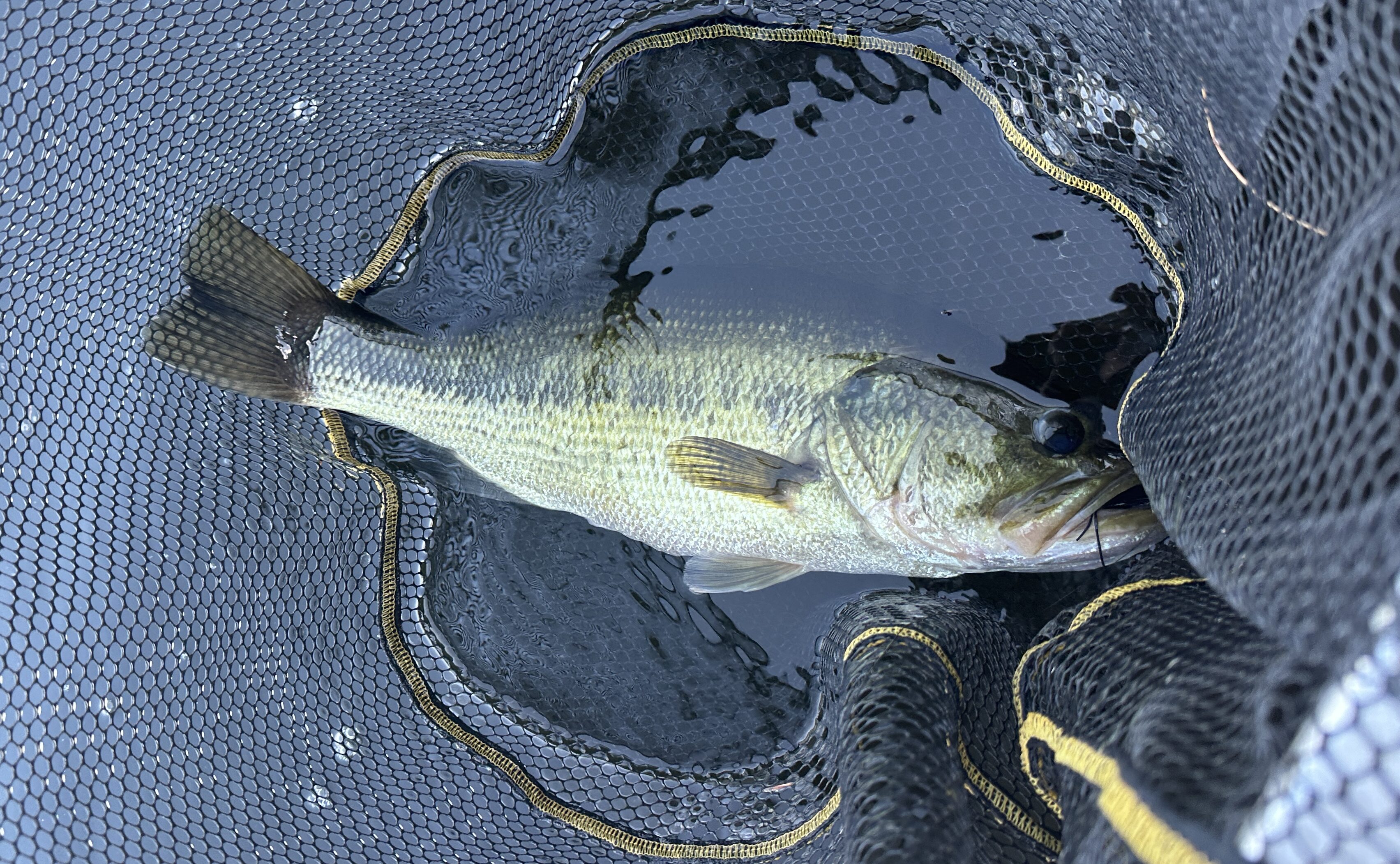

Finding Trophy Largemouth Lakes

Realize that not every lake is capable of growing and rearing giants. Each largemouth lake I fish contains different population densities and size structures.
There’s a largemouth bass lake for everyone. Some are action fisheries, loaded and overburdened by high numbers of lesser sized fish. Catch rates are high. Others, meanwhile, are lower population density fisheries, occupied by fewer fish but with many of them being of larger sizes. Catch rates are low. And there’s also waters containing fish of all sizes to suit just about everyone.
Trophy largemouth are most prevalent in the lesser density waters where they don’t have to compete with many other members of the population for food. These are my destinations.
Finding fisheries requires a lot of scouting, exploring, and off the water research.
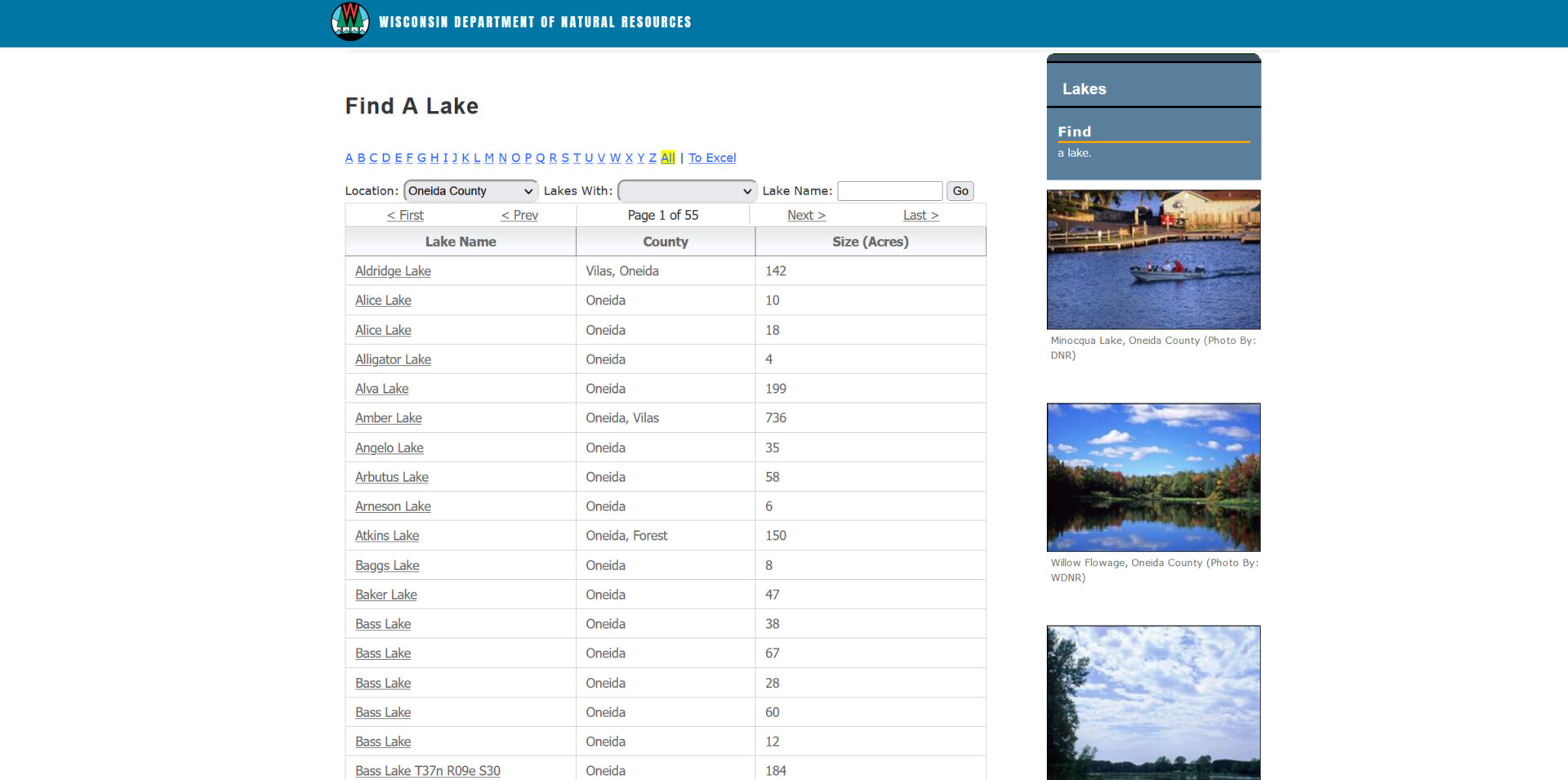
Today it’s now possible to explore bodies of water online before ever dropping a boat into them. DNR lake surveys, discussions with homeowners, Google searches, and lurking around on YouTube are some of the most effective ways of discovering the trophy potential of a fishery. After gathering the data, it’s time to go put it all to work.
In my area, big fish waters are declining due to harvest and exploitation. It is easy to grow big fish, but difficult to manage them. Wisconsin doesn’t seem to want to maintain or sustain its trophy largemouth fisheries, so these fish get poorly managed or not at all.
Subsequently, each fishery needs ongoing management to produce desired growth and catch rates.
Due to overharvest of big fish and smaller fish quickly overpopulating the waters, fewer waters are kicking out big fish. Of the hundreds of bass lakes I fish, only two dozen of them I would consider trophy waters. All of the others are high-action, numbers factories.
Tapping into Trophies
Finding fisheries requires a lot of scouting, exploring, and off the water research. Realize that not every lake is capable of growing and rearing giants. Each largemouth lake I fish contains different population densities and size structures.
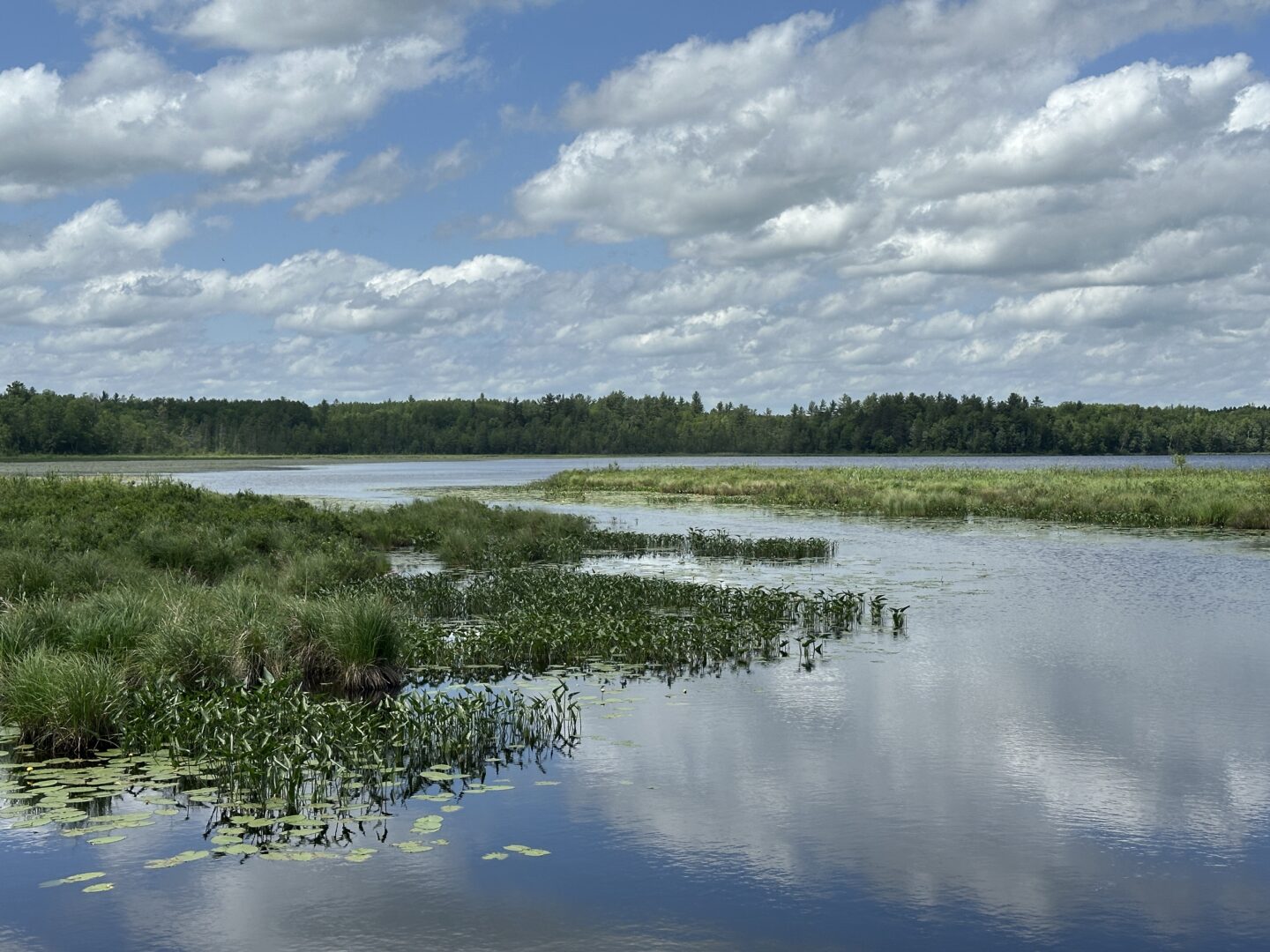
Keep expectations realistic, and understand that not every lake is capable of producing and rearing trophy largemouths. This reality is influenced by neglect of management, infertility issues, water quality, forage and food-chain limitations, genetics, and lack of any thoughtful harvest programs. Big fish waters are dwindling in number.
The waters of focus to me are those with lower population densities, occupied by fewer fish but with many of them being of larger sizes. Trophy largemouth are most prevalent in the lesser density waters where they don’t have to compete with many other members of the population for food.
The ratio between trophy vs action waters is insanely small. You should never want to fish waters lacking in trophy potential.

What you can read next

Fishing Tips and Short Stories
 Smallmouth Scenarios by SeasonEvery fish species has a seasonal calendar that in no way resembles .....
 Where to Go Fishing During Cold FrontsHere in Wisconsin, largemouth and smallmouth lake types and .....
 Perfect Plants to LargemouthsThe lives and feeding patterns of largemouth bass revolves around .....
 Finding Trophy Largemouth LakesRealize that not every lake is capable of growing and rearing .....
 Kid Friendly Smallmouth LuresKeep lure selection simple, and outfit a child with the simplest .....
 Tracking Midsummer Largemouth Bluegill BitesBluegills are the backbone and lifeblood of all good largemouth .....
 My Dark Brown Water Smallmouth SecretThe Bama Craw Z-Man Fishing Products Chatterbait Elite EVO .....
 Opportunistic Feeding and Junk Weather WindowsUnlike us, big fish don’t read through the phone’s weather apps or .....
 The Best Early Season Largemouth FisheriesWhere to go and what to do in early spring is a calculation, as not .....
 River Patterns, Spring thru FallRiver fisheries continue to be lower-class smallmouth destinations .....