
Indian Summer Largemouth

Every fall season, there always seems to be a week or two of disruptive weather delaying fall turnover and the season’s entire progression. High pressure systems stall overhead, persisting and seemingly unwilling to relent, bringing with it bright sun, heat, and little wind. 60 degree water temperatures that should be cooling into the upper 50’s for high’s will be climbing towards the 70’s by end of the week, surely disrupting fish activity and delaying autumn’s advancement.
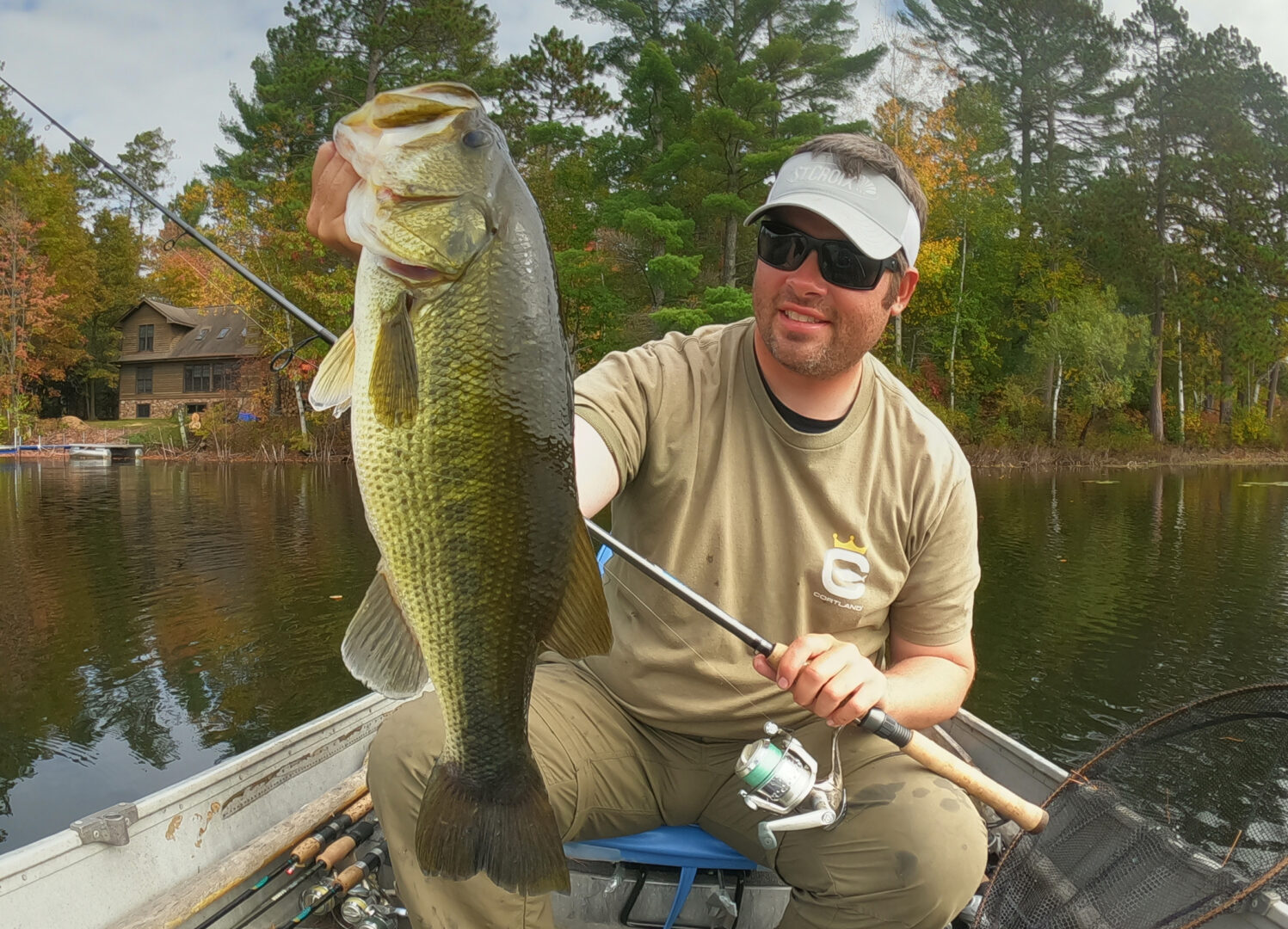
Don’t fret over it, especially if you’re a serious largemouth bass angler. While warming waters during autumn wreak havoc to most fish species, largemouths are most appreciative of it. Their growing season and presence in the shallows has just been prolonged. Adaptive and advantageous of the situation, they take up on Mother Nature’s encouragement to further feed.
Viewed as a detriment to fall fishing and the pursuit of many fish species, Indian Summer positively and uniquely affects big largemouth bass.
Cooling weather in early fall undoubtedly triggers rapid and robust fish activity, driving largemouths to the lake’s deepest green weeds remaining. Warm weather oppositely drives them into the shallowest habitats available.
Indian summer triggers big bass to revisit the shallows for one last time of the year, making largemouth feeding and locations even more predictable until turnover time begins.
Defining Indian Summer
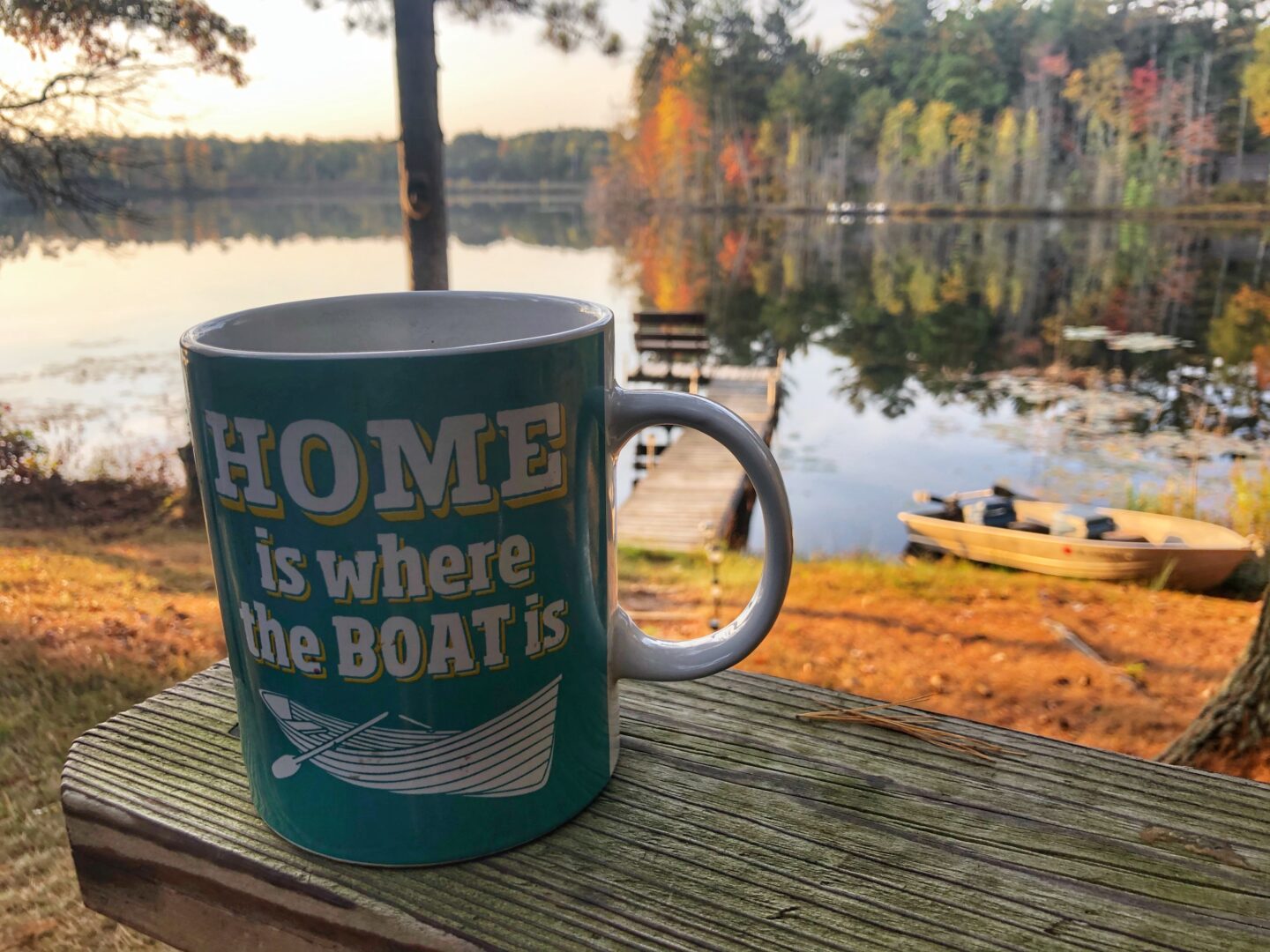
Indian summer is a phrase used to describe an unseasonably warm and sunny patch of weather during autumn. According to Farmer’s Almanac, it’s described it as “Any spell of warm, quiet, hazy weather that may occur in October or even early November”.
An Indian summer is typically caused by a sharp shift in the jet stream from the south to the north, producing calm, sunny conditions with above average temperatures. The warm weather may last anywhere from a few days to over a week and can happen multiple times before winter arrives for good. Most years in Wisconsin’s Northwoods, it predictably arrives during the last week of September, often making this specific week through the first days of October one of the best trophy fish windows of the year.
By late September, water temperatures are on a gradual cool down. But Indian summer reverses the course. Water temps that should be around 60 degrees and cooling steady at this time warms back towards 70 as a result of warm daytime temperatures and calm, sunny conditions. These warming water temps are prone to disrupting the ecosystem, dispersing largemouths throughout the lake.
Warming weather creates spikes in activity level and movements we normally wouldn’t see during autumn. Warm, sunny afternoons bring windows of high feeding activity. Bluegills and other forage species migrate into the shallows, with a heavy presence. Frogs are out and about one last time. Late season bug hatches reappear too.
Indian summer periods don’t happen every September or October, but when the largest and longest high-pressure systems stall across the upper Midwest, the consistent repetitive weather and conditions makes largemouths vulnerable, easy to locate in the shallows, and simple to pattern, especially if it occurs prior to turnover. The magic will last until the next incoming cold front wipes out the pattern. The fall season will then resume again, as originally scheduled.
A Return to Shore
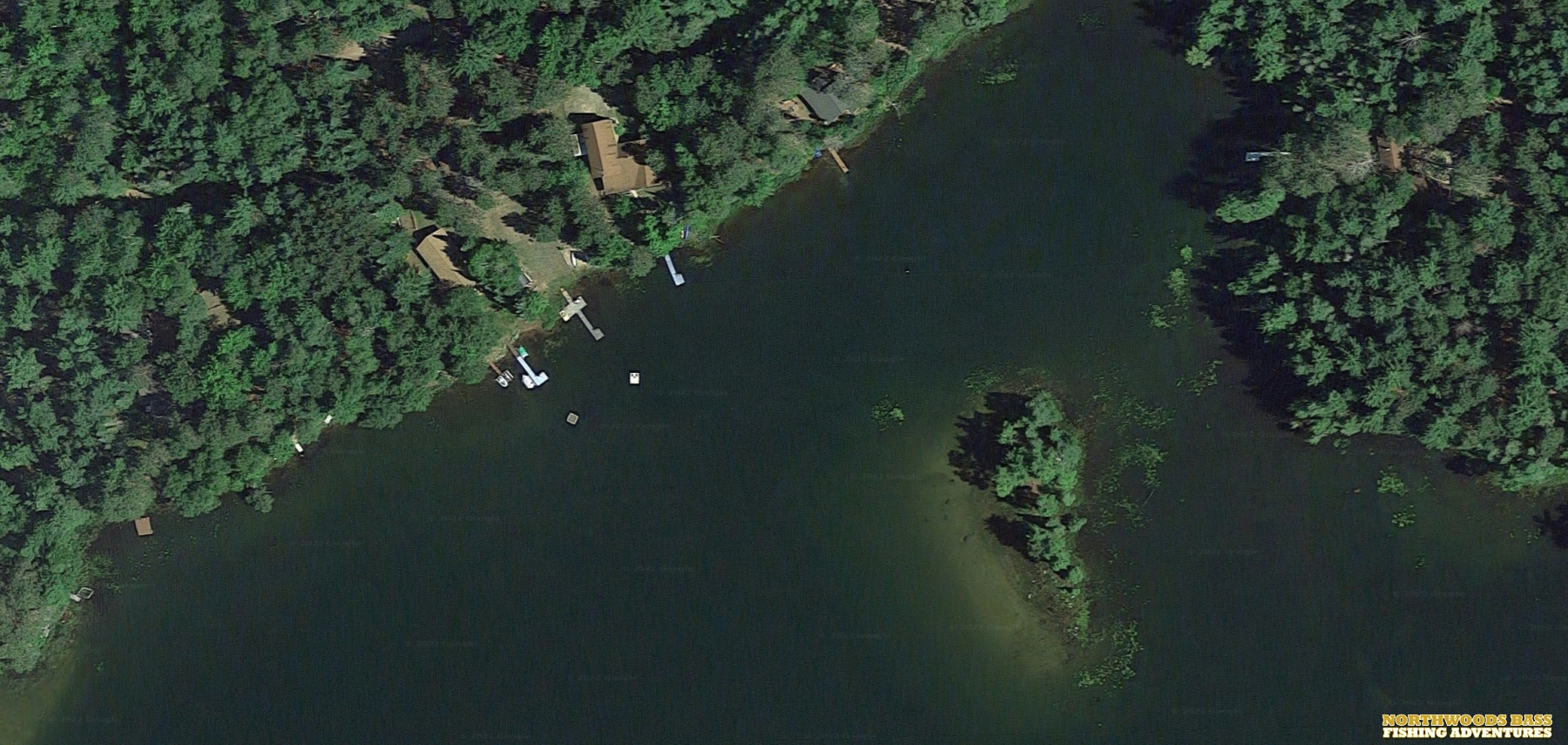
On these challenging days, most of our fishing returns to the shallows where a wide variety of natural and man-made habitats are available. Shade from the powerful sun, and cover for ambushing, are the necessary ingredients of these spots. Smaller lakes and less-populated (by people) waters possessing the most natural habitats are easier to pattern and figure out than the largest lakes.
A Return to Shore
Indian summer creates mayhem for aquatic ecosystems. Fish occupy the entire range of a lake, forcing us to think and operate outside of the box. Across many lakes, big largemouths return to the shallows where they will take advantage of the high forage abundance and activity of juvenile bluegills.
On these challenging days, most of our fishing returns to the shallows where a wide variety of natural and man-made habitats are available. Shade from the powerful sun, and cover for ambushing, are the necessary ingredients of these spots. Smaller lakes and less-populated (by people) waters possessing the most natural habitats are easier to pattern and figure out than the largest lakes.
WEED COVER AND SLOP – By late September, shallower weed cover could still be dense, submerged, or even topped out on the surface. Most weed habitats won’t be the healthiest and green-looking in appearance, but are still capable of holding largemouths who’ll utilize them for opportunistic feeding. Weeds growing atop the surface will be visible and easy to fish under the calm, sunny skies. Consider any nearby weed lines too. Lily pads become a late-season factor too. Slop fishing presentations are clean and effective, enabling you to cover water quickly while searching for active fish.
PIERS – On waters with shoreline development, piers and boat lifts are the most prominent and obvious man-made structures. Largemouths will utilize them for their overhead canopies and shade. Structures built from wood are better than metal and aluminum. Dock fishing aficionados should rejoice and take advantage of these final skipping, pitching & flipping opportunities of the year.
WOOD – Wood cover in the forms of logs and laydowns are most prevalent on heavily-wooded natural lakes with little shoreline development. Near-shore wood extending into the primary break line is best. Largemouths dwell near the bottom, and position however most comfortable and convenient to them depending on the log’s configuration and physical features. Bluegills attract to the wood for its conductivity and the sun-bathing opportunities that await them. Fish cribs and brush piles submerged in shallows by property-owners are factors also, becoming fish magnets.
BUSHES AND BRUSH – These are my favorites to fish, and in my opinion hold the lake’s biggest largemouths. In a lake’s high water years, flooded bushes and brush offers a canopy of cover in which largemouth are fee to roam and explore deep into the flooded overgrowth. When high water levels surge into these shoreline areas, they flood with big largemouths. On small lakes, largemouths dwell close by to these areas all year long due to the forage overabundance of amphibian species, minnows, and juvenile bluegills attracted to the flooded cover too. These past few seasons, flooded buffer zones have become a focal point to most of my largemouth fishing. Recently, I’ve witnessed their powers during Indian summer. If you’ve been fishing only the edges of flooded cover, which was once the lake’s shoreline, you’re not fishing effectively and deep enough.
SHADED SHORELINES – Shade is a common theme of each of these shallow water habitats. Daylight hours and light penetration decreases in early fall, but high pressure still makes it intense. Across all shallow water habitats, largemouths position themselves to avoid sunlight. Being in the shade allows them to go undetected by forage species. Whether or not obvious cover is present, it’s still wise to cast though a shaded shoreline. You’ll be surprised at the number of largemouths cruising along it.
On natural lakes, the best odds for biggest fish will come from fisheries with big trophy potential but are of lower population density. These largemouth lakes don’t have any stunting or overpopulation. Catch rates are significantly lower.
Focus on the aforementioned high percentage shallow cover areas that hold largemouths and prey. Largemouths are habitual, often gravitating to the same shallow water areas they’ve visited prior in the year. Depths of these near-shore regions are commonly 5 ft. and less. Don’t be afraid to go shallow, even a foot or less. I can’t believe how many giant largemouths I’ve caught from inches-deep water.
Targeting shallow largemouths is the easiest approach for catching the most and biggest fish. Feeding packs can be encountered, but most of the big specimens will be rogue and solitary.
Defining Indian Summer
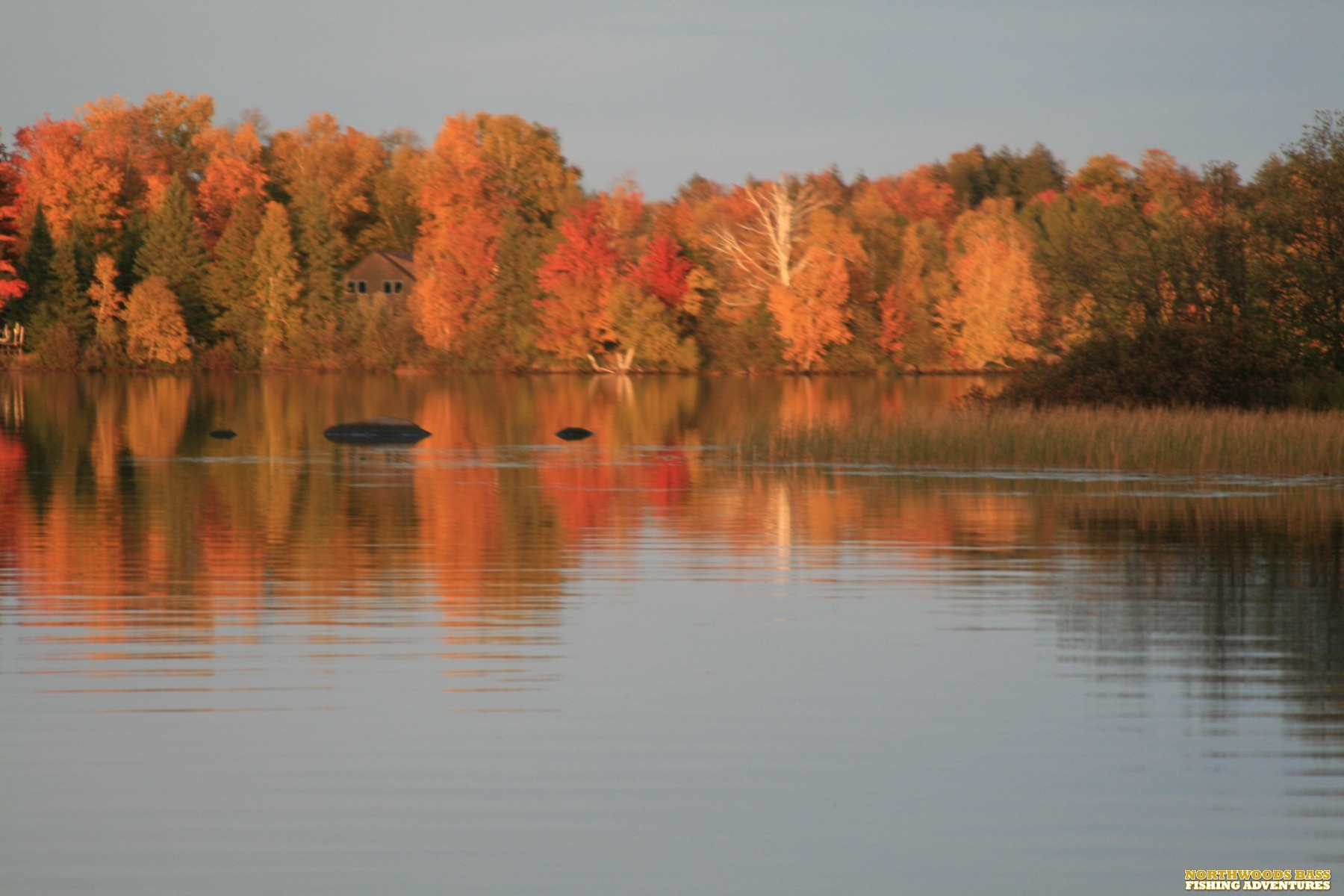
Indian summer periods don’t happen every September or October, but when the largest and longest high-pressure systems stall across the upper Midwest, the consistent repetitive weather and conditions makes largemouths vulnerable, easy to locate in the shallows, and simple to pattern, especially if it occurs prior to turnover. The magic will last until the next incoming cold front wipes out the pattern. The fall season will then resume again, as originally scheduled.
Target Shooting Strategies
With these calm and warmer than usual conditions, it limits opportunities to aggressively cover water and power fish like you would under normal settings. In dead, flat calm conditions, largemouths position themselves tight to cover to evade the sun and being detected by prey.
Land your jig nearby to where largemouths hold, and you’ll get rocked.
Attacking shoreline cover and habitats is best accomplished with skillful pitching, flipping, and skipping strategies. The shallow water fishing strategies require heavier rod and reel set-ups with braided lines.
For my target shooting, I work with a variety of St. Croix Rod options. In the heaviest impenetrable cover, I’ll choose my Victory Flip’N (VTC73HMF) that is paired with a 7:0.1 gear ratio Quantum Accurist 570 PT spooled with 50 lb. Cortland Silent Flip, a silky smooth and quiet 16 carrier construction braid. This flipping set-up is incredible, as is this throwback reel with flipping switch.
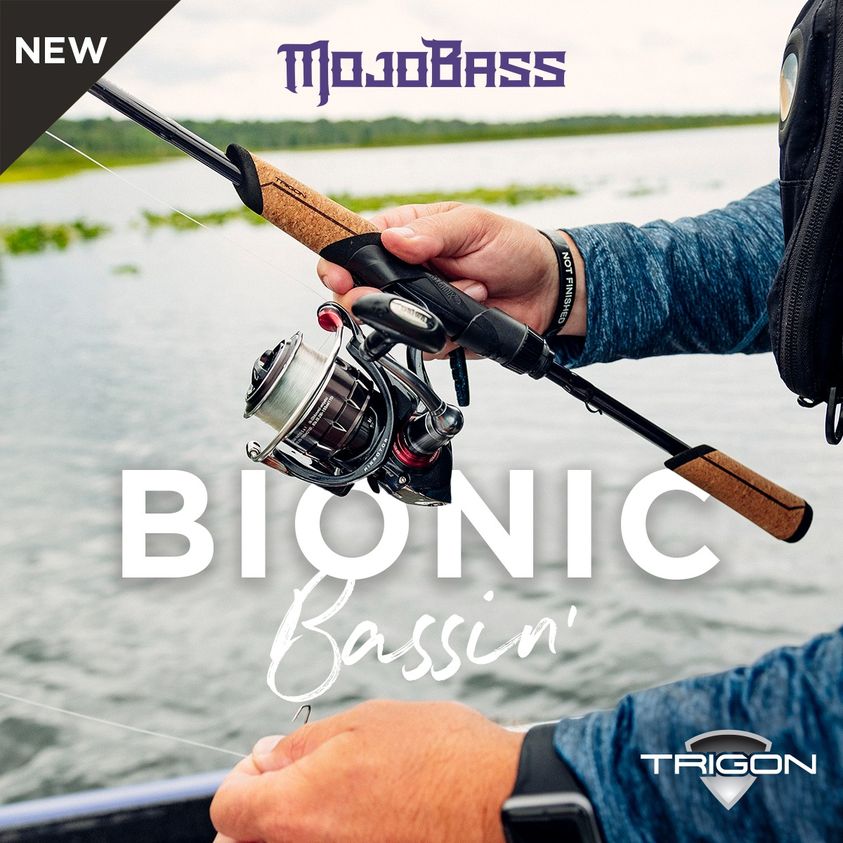
Commonly, the shoreline cover won’t require a flipping stick. For all other presentations, my rods of choice are the Mojo Bass Dock Sniper (LBC70HF), and the Legend Tournament Dock Sniper (MJC70HF). At 7 foot lengths and heavy power, these rods can handle pitching, flipping, skipping, and long distance casting duties. I work these two models in tandem with casting jigs and swim jigs. In my hands, the main difference between the two is flex and sensitivity. The Mojo Bass Dock Sniper with its IPC blank has more flex and loading capacity, while the Legend Tournament Dock Sniper and its SCIV blank provides more sensitivity which is excellent for feeling pickups and bites around docks and wood. Both rods are tailor-made for pitching, flipping, and jigging, but are just as good for casting jigs too. Both rods are paired with 7:3.1 Quantum Tour S3’s and spooled with 20 lb. Cortland Masterbraid, and accomplish a number of multi-purpose jig fishing applications ranging from casting to pitching.
3/8 oz. to ¾ oz. black and blue jigs are synonymous with largemouth fishing, and are the only colorways needed in casting, and pitching & flipping head styles. Freedom Tackle FT Series structure jigs and flipping jigs answer the call. Secondary options are skipping and casting jigs hand-made by Super-K Jigs. I carry all jigs in a variety of color ways.
Pitching and flipping jigs in combination with craw and creature trailers such as Bizz Baits Bizz Bugs and Killer Craws in black & blue, and mud craw colors are phenomenal. Don’t forget to additional creature baits that include YUM Wooly Bugs (bream), Missile Baits D-Bombs (superbug), and Berkley’s MaxScent Creature Hawg. I have confidence in each of them. You will also want to equip swim jigs with these same trailers.
Working your baits into tight quarters must be prioritized. However, there may be some pockets and casting lanes available to make a few accurate casts. Active fish could be meandering through them.
In slop locations, surface frogs are the best secondary option. They are snag resistant and penetrate cleanly through all near-shore cover. Frogs and other amphibians come out for one last time of the year, too.
Recently, I’ve turned to Scum Frog’s Launch Frog and Pro Series, and Kalin’s Lily Stalker Frog. In my observation, largemouth bass are not particular over color ways. Therefore dark greens, maroons, and blacks that contrast best work every time. Recommended frog gear and a personal favorite is the Victory Full Contact (VTC74HF), a 7 ft. 4 in. heavy action model designed for slop fishing. If longer rod lengths cannot be used, settle for a much shorter rod of similar rating. My frog set-up is also complimented with the same reel and line choice I use for my pitching and flipping.
Beyond jig and slop presentations, flipping and pitching 4.5” tube baits (weightless or Texas rigged), and lizards such as 6” Gambler Bacon Rinds are deadly. You can also cast weightless Kalin’s Wac-O-Worms up into the shaded shore with spinning gear.
Taking advantage of the lake’s extreme shallows under these conditions and methods has produced some of my heaviest and largest northern largemouths to date, up to 7 lbs. These shallow water lake locations will also pay off at other times of the year, and again in the following seasons making the patterns repetitive and further predictable.
Black and Blue Jigs
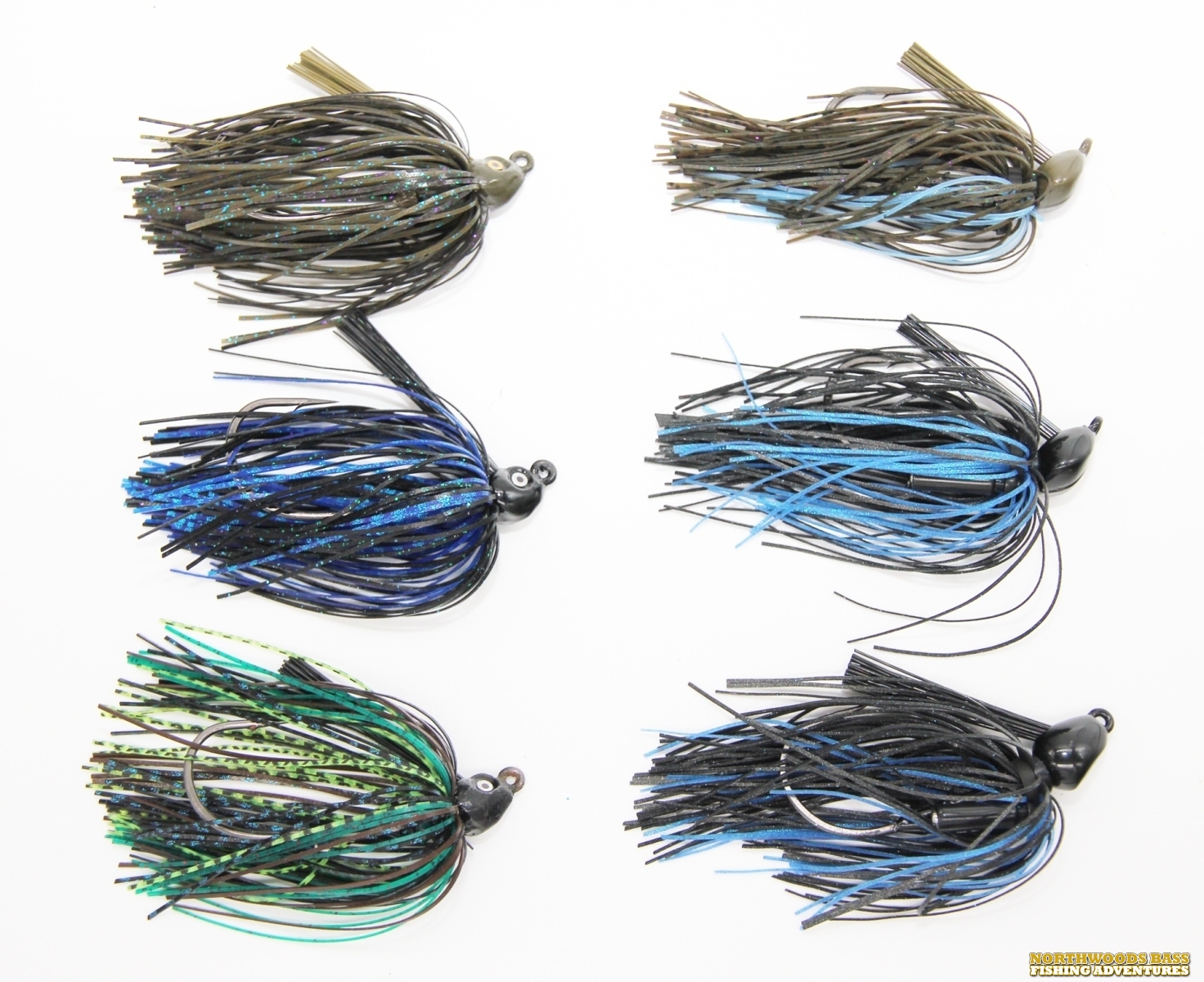
3/8 oz. to ¾ oz. black and blue jigs are synonymous with largemouth fishing, and are the only colorways needed in casting, and pitching & flipping head styles. Freedom Tackle FT Series structure jigs and flipping jigs answer the call. Secondary options are skipping and casting jigs hand-made by Super-K Jigs. I carry all jigs in a variety of color ways.
Big Bass and Sun Tans
While Indian summer stimulates bass behavior in terms of location and increased feeding, feeding windows are still noticeably short. Adverse and brutal daytime conditions can will generate dead periods between bites or shut down fish temporarily. I’ve often found the steadiest fishing to take place during the afternoons when most shade-lines develop. However, not all lakes and their largemouth fisheries behave the same. Some lakes could have feeding windows taking place during mornings, and evenings.
Despite flat calm and sunny conditions, don’t be afraid to navigate shallower than usual and positioning the boat nearby each target. Majority of the lakes this time of year will have blooming, discolored water clarity – a byproduct of pre-turnover and windless conditions. You can get away with doing a lot of unusual things on these waters right now that wouldn’t be acceptable at other times of the year and under normalized conditions.
Following the warm spell, fall returns immediately after when the next weather system blows it away. The longer the high pressure system, the better the bite gets. The pattern expires as soon as water temperatures drop and fall turnover completes.
Considered a fall season deal-breaker to most, I look forward to Indian summer fishing opportunities whenever they arise. The warm conditions with a hyper-active underwater ecosystem become advantageous for shallow water fishing.
Catch big largemouths and work on a late-season tan. You’ll be fishing in shorts and flip flops too.
Indian Summer Largemouths
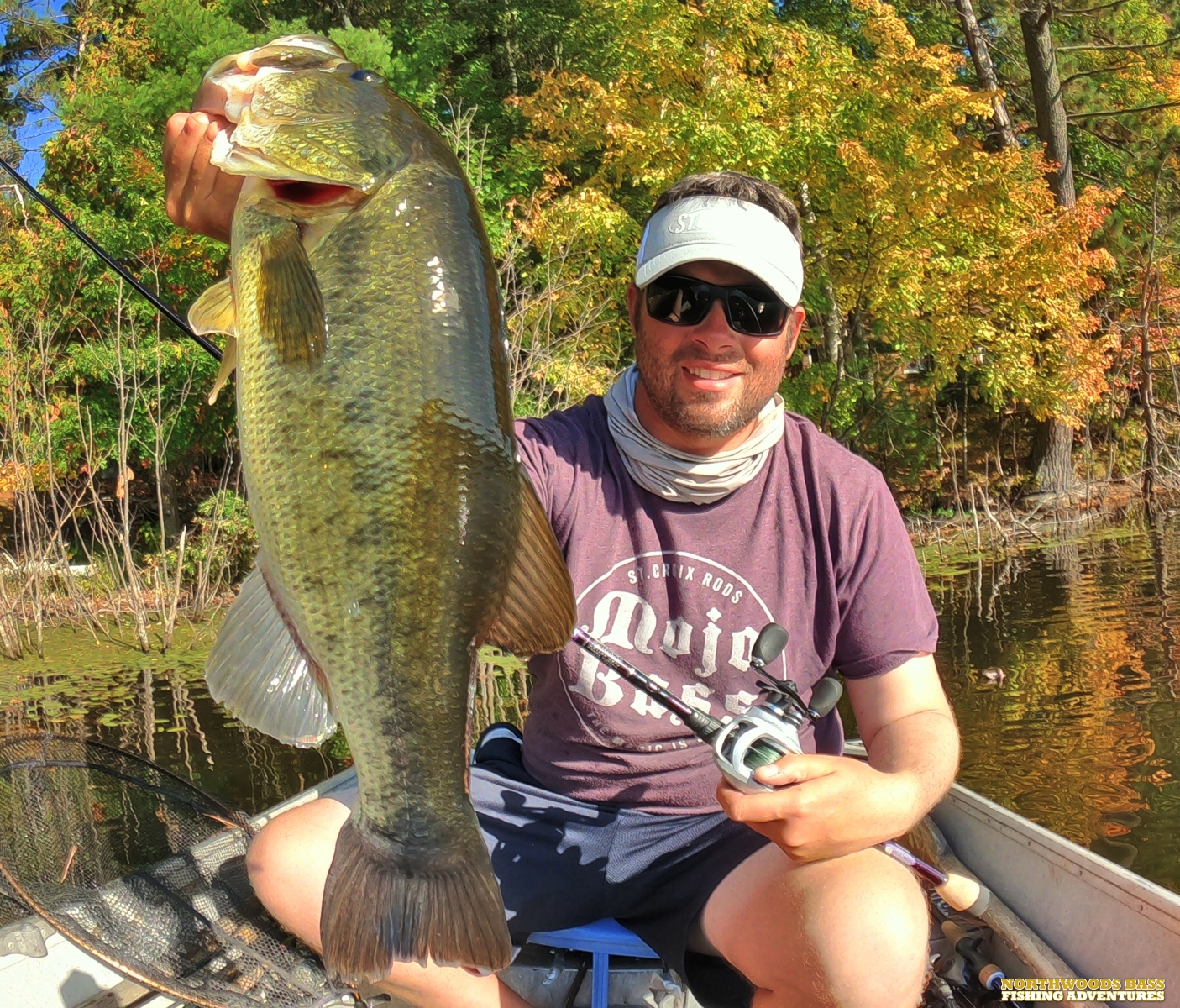
Indian summer triggers big bass to revisit the shallows for one last time of the year, making largemouth feeding and locations even more predictable until turnover time begins.
Andrew Ragas splits time between the Chicago area and Wisconsin’s Northwoods. Based in Minocqua, WI, he specializes in trophy bass fishing and offers guided trips from May thru October. While big bass is the passion, he dabbles in multi-species as well. He may be visited online at www.northwoodsbass.com

What you can read next
Articles
 Lakes to Fish and Avoid During Fall TurnoverIt was a hot summer and thermoclines on deep lakes were noticeably ......
 Top Lures for the Early Fall TransitionLate August to early September annually represents the early fall ......
 Fishing Algae Bloom LakesClear in spring and green by late summer, algae blooms are an ......
 Smallmouth Grind-OutsThere’s a great chance that every fishing guide out there has a ......
 Inside Edge LargemouthsLargemouths love edges, and the most desirable fish I catch during ......
 Northern Water Snake PatternsOpportunistic predators with voracious appetites, largemouth bass ......
 Dark Water SmallmouthsWhen thinking about the prototypical and perfect Northwoods ......
 Locating Rip Rap Shorelines on FlowagesWith the local flowages down several feet, use this current drought ......
 Fish CatchersSmallmouth bass fishing has changed immensely over the past decade. ......
 Minimalist Smallmouth Fishing with St. Croix RodsIf you want to catch more fish and learn to be efficient, ......