
Long Rod and Light Line Smallmouths

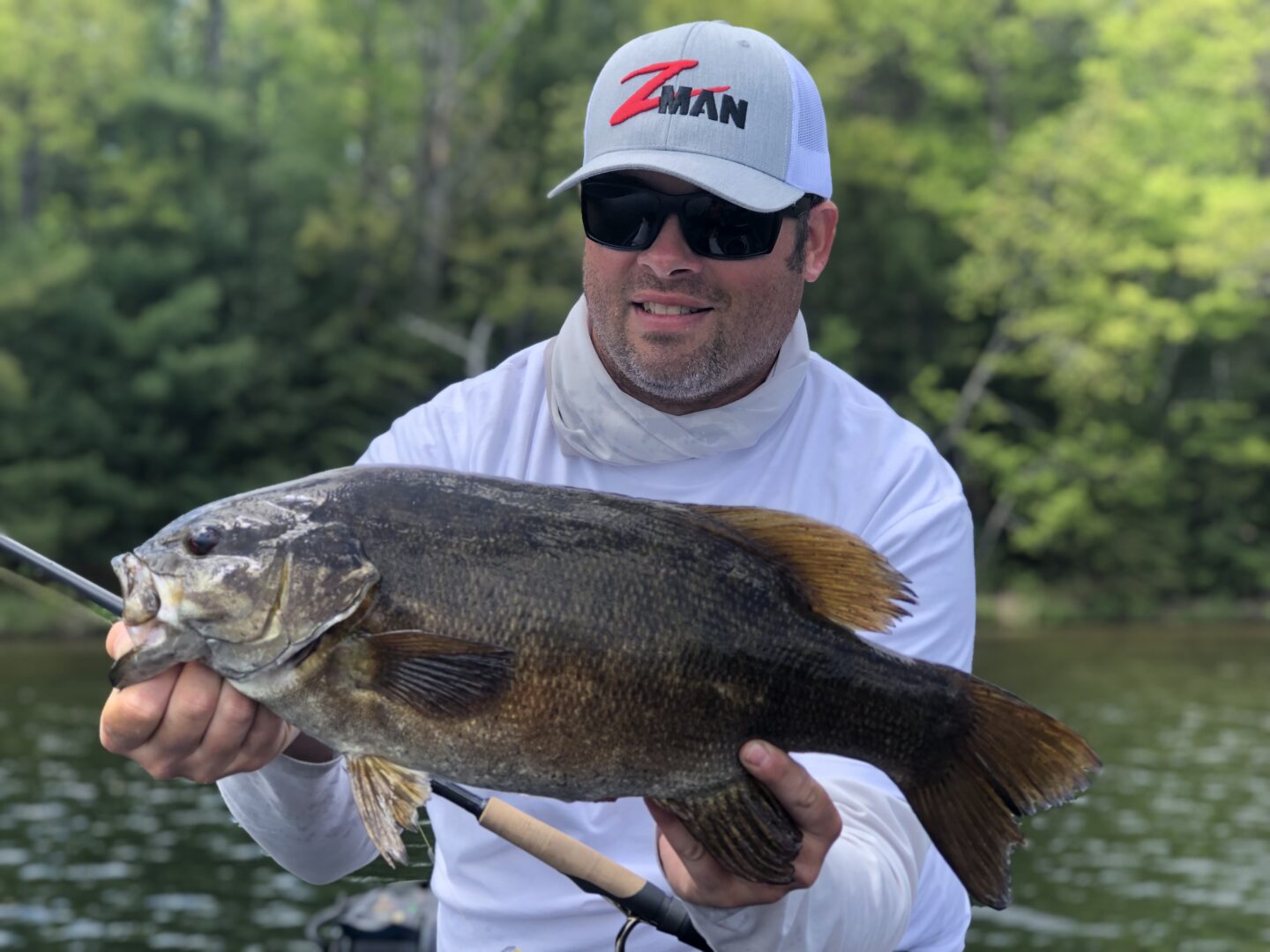
Finesse fishing for smallmouths has come a long way. More anglers are turning to long spinning rod and high-capacity reel set-ups for achieving long casts with light line presentations.
Browse across the internet, and search through your favorite online retailers and manufacturers. From rod selection to line choices, and baits, everyone is prioritizing the marketing and sales for long line finesse fishing.
I converted to using braided main lines in 2012. Before then, monofilaments and copolymers used to be the norm. Not anymore. In my earliest days of braid fishing, I used to be of the belief my 20-pound Cortland Masterbraid spooled to a size-30 Quantum PT spinning reel with a 7-foot MF was light enough for my spinning set-ups. It had the breaking strength of 6-pound mono.
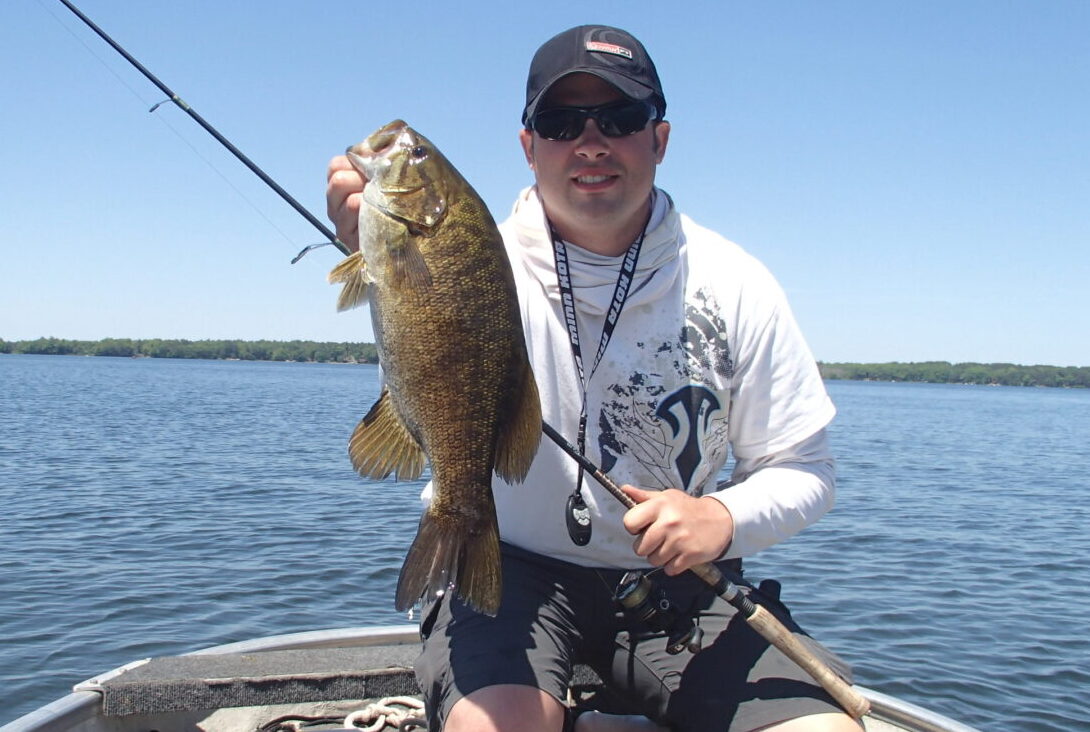
^ Back then, sometime around 2013’ish. 20-pound braid with a MHF or MF was the way things got done. Nowadays lighter is better, but to an extent.
While 20-pound is still a big player for me, especially in most snaggy-bottom and monster fish regards, it’s presently considered heavy. Nowadays, this 20-pound line gets spooled on my baitcasting reels that I use for heavier jigging and casting applications for both smallmouths and largemouths.
Each winter off-season, I find myself going on a main-line decrease, downsizing my reel spools to a greater variety of 10, 8, or 5-pound Masterbraid. It’s crazy to think that a size-30 spinning reel can now hold upwards of 250-yards of 5-pound braided main line. On the long rod, unthinkably, it casts baits a mile!
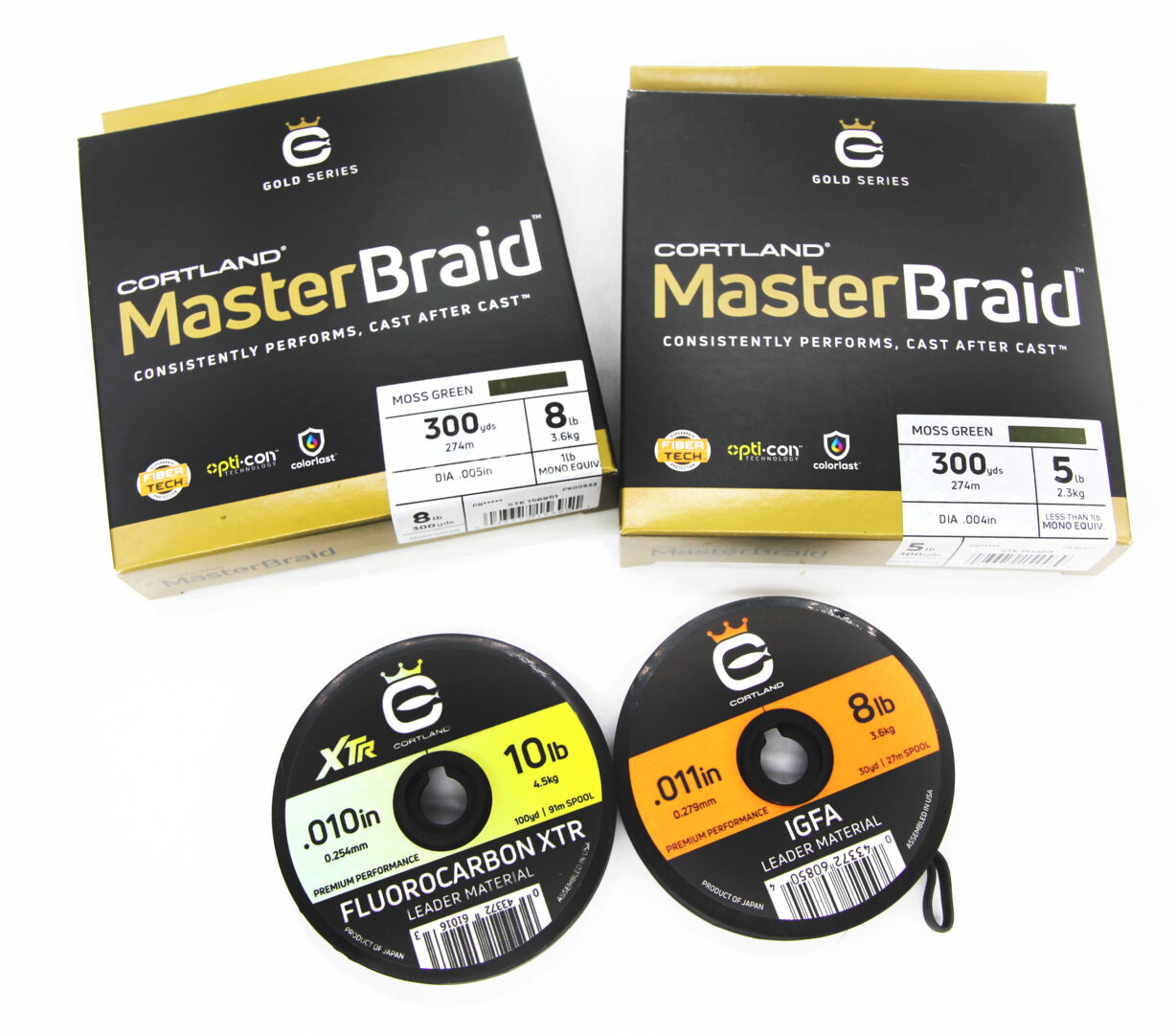
It’s amazing to think that nowadays a 5-pound braided line has the strength and capacity to handle a fish of similar weight or heavier. For example, 5-pound Masterbraid has a breaking strength of less than 1-pound monofilament. Because of the noteworthy advancements in braided lines offered by all manufacturers, very rarely does anyone ever need to fish with antiquated monofilament anymore. Long rods with powerful backbone and lively flex help achieve that perfect handling with finesse baits deployed on a super-thin braided line.
How did we get to this point?
Outwitting the Smart Smallmouth
Smallmouths are experts in sensory detection. Nowadays, more adult smallmouths are wary of overhead boat traffic and high-powered sonar. Deploy your FFS transducer in forward mode, and those smallmouths scatter and disperse from the boat, or choose to lay low to the bottom. They’ve become elusive and uncatchable as a result.
As these fish undergo changes in behavior and feeding locations, anglers must cater their gear and strategies to these changes. Today, everyone is showing up to the lake with an arsenal of finesse rods and baits rigged up. Whether the strategy calls for jigging or casting, finesse fishing has turned into an arms race.
As adult fish are repeatedly caught and released throughout their lifetime, they learn not to strike certain lures. We see this all the time on pressured community lakes and derby waters. Most days, the shallows of these fisheries get pounded the most. Fish want to feed and spawn in the shallows without feeling exploited, but the pressure forces them to abort those areas and relocate to new areas. So, not only are they conditioned to lures, but they’re also learning to avoid the most pressured lake regions, and angler capture.
In the recent covid seasons, the fishing pressure and overall angling hours on my local lakes sky-rocketed. Smallmouths that customers and I once had to ourselves got hit from several anglers. The fisheries took a beating from capture, re-capture, and harvest in 2020-21. The surviving fish became better educated as a result.
Gone are the days of being the only boat on the water. Nowadays my boat has to use lighter diameter lines (described above) in order to better manipulate subtler and natural presentations, and make longer casts with. Likewise, most casting and jigging set-ups are requiring several feet of fluorocarbon leader line to help conceal and mask the offering. If you don’t come prepared to finesse fish like this, you could swing and miss.
Long Line Strategies
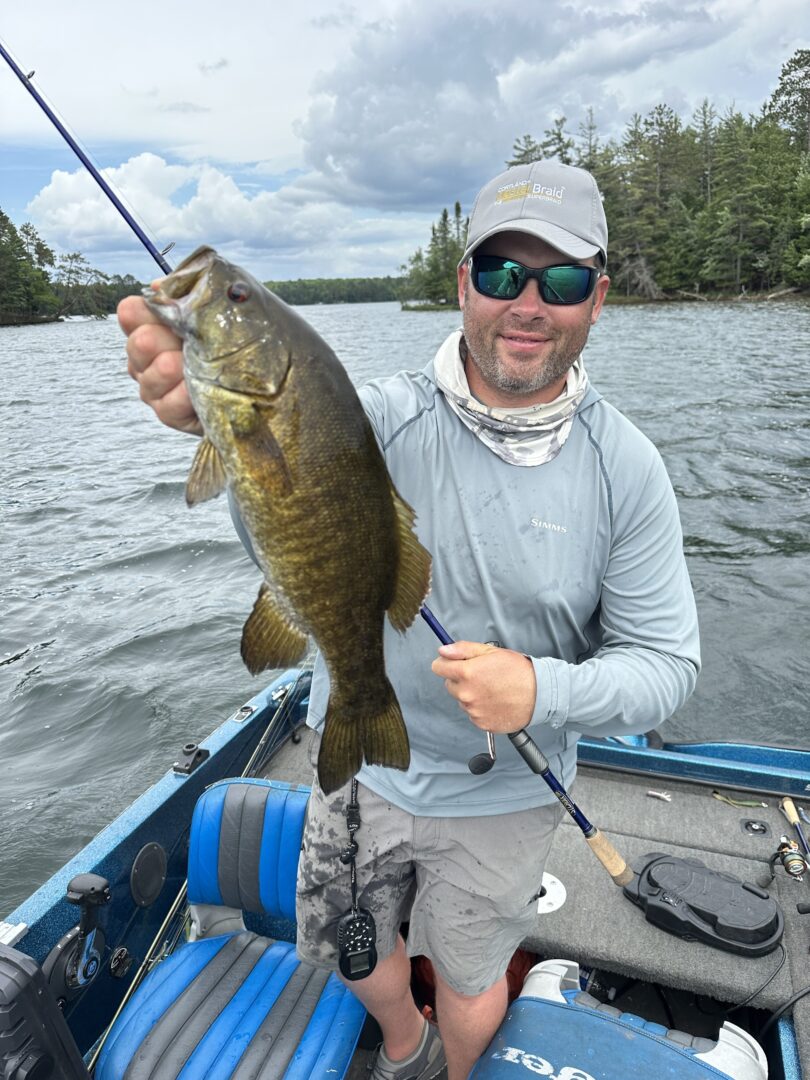
Smallmouths inhabiting almost every lake are seeing some form of each downsized plastic offering on a daily basis. Yet they are also getting more suspicious and conditioned to them. Dropped baits and disengagement are becoming as frequent as pickups. More finesse is now required to keep up with their feeding habits and personalities. More anglers are now turning to lighter lines and longer rods.
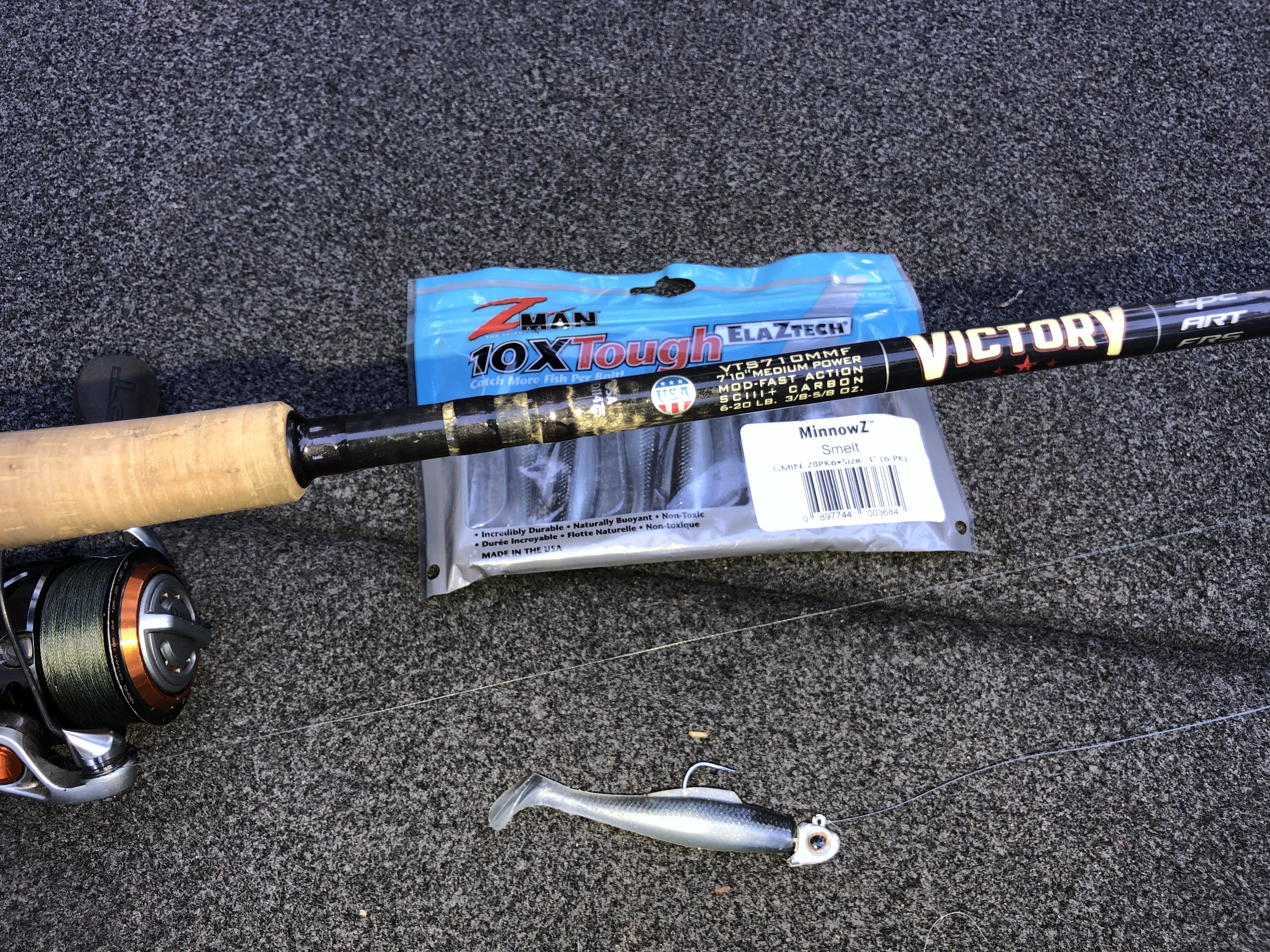
Lightweight braids are advantageous for the deployment of most finesse baits. Consider a 1/16-ounce hair jig for example. While this ball of marabou or bucktail might have been too light and impossible to cast with the common set-up of years prior, it’s now possible to launch for extreme distances with 8-foot length rods such as St. Croix’s Victory Crosshair (VTS710MLXF) and my personal favorite, the Legend Tournament Bass Hair Jig (LBTS710MLXF).
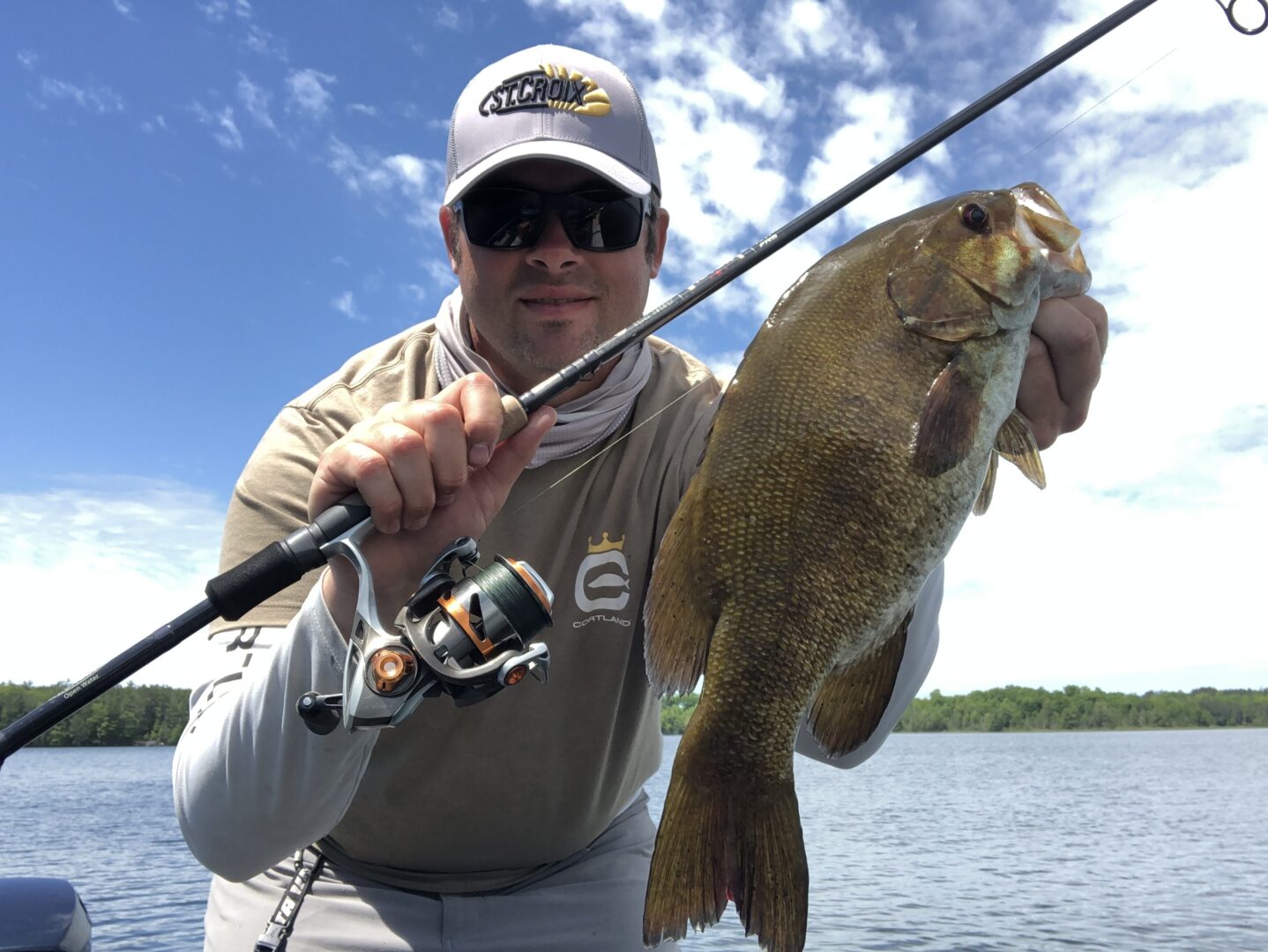
Some finesse anglers might not be as like-minded as me. Perhaps you like going old-school with 4 and 6-pound mono instead. The benefits of it remain stretch, flotation, and better control of lure sinking. This could greatly aid and manipulate in the fall rate of that same hair jig being worked with 5-pound braid and fluoro leader through the shallows. I still find applicable year-round uses with mono when casting 3-inch Kalin’s Lunker Grubs and other twister-tail styled moving plastics.
I’m not a fan of operating fluorocarbon lines as a main line, but some prefer it on targeting deeper-holding, suspending fish. This would be a winning formula with spy-baits for sure, and drop-shotting.
More anglers today are rigged up with long rods and light line in order to deploy their favorite finesse baits
Long Rods and Thin Lines
Your strategies might not be like mine, but hopefully you are utilizing at least one long rod for your fishing that is fast, flexy, and strong like my bomb-casting arsenal of St. Croix spinning setups.
Presently, the St. Croix Legend Tournament Open Water is my magic wand of choice.
Today’s medium-light and light action long rods are rated for lines as light as 5-pound test. Their fast tops also improve casting accuracy and distance. Lengths help manage and control big smallmouths when hooked from afar and through the duration of battle until successful capture. Their flex also offers better pressure and tension too. The greatest benefit of them all – long rods won’t tire out a big bass to death like short rods of yester-year were prone to do.
Cast lighter lures farther with less effort and no more fatigue. Embrace the long rod mentality, and you’ll catch more fish.

What you can read next
Articles
 My Shallow Water Playbook for Ice Out LargemouthsPromptly at ice out, largemouths swiftly relocate from their ......
 Finding Trophy Bass LakesIt’s no secret that location is the most critical factor in ......
 The Best Lake Types to Fish by SeasonSo many lakes, such little time. It’s easy to get overwhelmed by ......
 My Best Chatterbaits for Spring LargemouthsMarch and April are Chatterbait-centric months for many of us who ......
 Catching Smallmouths if it’s a Cold SpringCold water and below average temperatures of spring are a byproduct ......
 Proven Presentations Only at Ice OutDepending on where you live, ice out could either be nearing or is ......
 Smallmouth Scenarios by SeasonEvery fish species has a seasonal calendar that in no way resembles ......
 The Best Largemouth Bass Lures of 2025I love fishing for big largemouths, and it’s too bad these ......
 The Cheat Code for Sculpin and Goby BaitsLike gooey and greasy cheese curd appetizers to us, gobies and ......
 Catching Smallmouths in November“Andrew, at what point do you stop catching smallmouths in ......