
Match The Hatch Rusty Crayfish
By Andrew Ragas
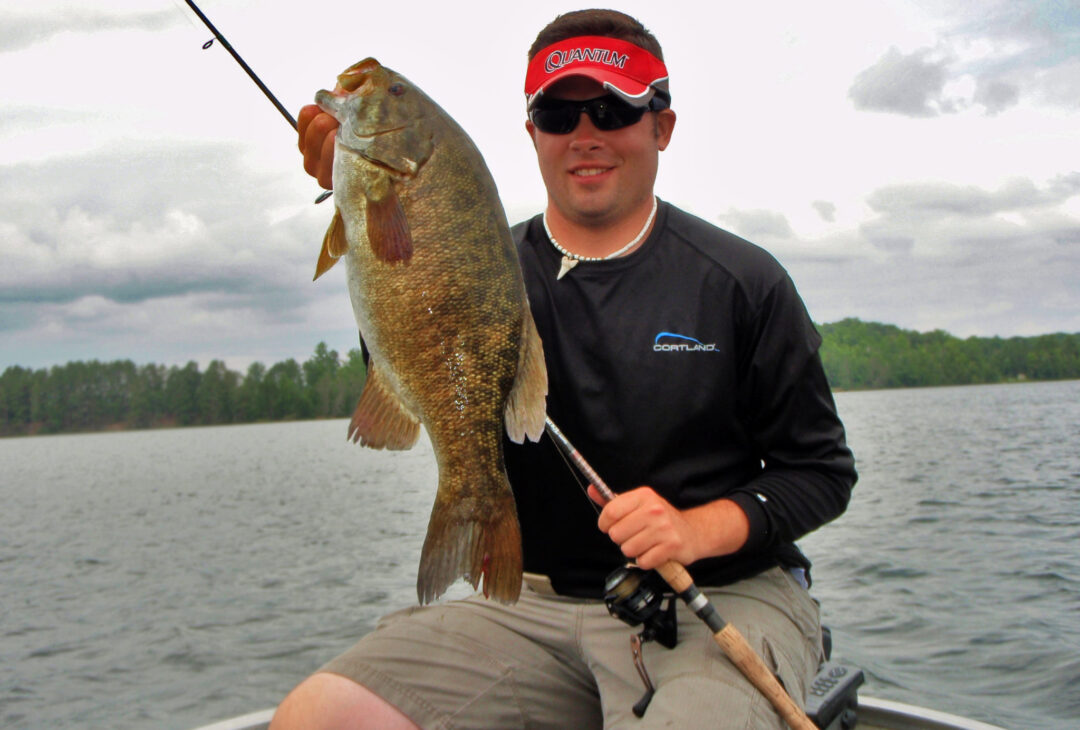
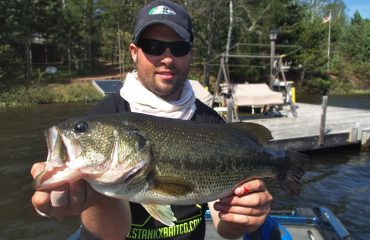
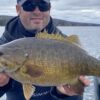
Smallmouth bass and rusty crayfish in northwoods inland lakes are on a collision course every summer. This predator and prey interaction often utilizes the same lake and river locations for habitat and feeding. Their connection as predator and prey is strong and unique, and shapes the ecosystems and food chains of ever fishery. On our northwoods lakes that are populated by them, rusty crayfish make up 60% to 80% of the smallmouth’s diet. There are so many present on some lakes that smallmouth can eat often and whenever they want.
Big smallmouth sizes and trophy statuses are achieved and maintained through a rich diet of over-abundant native and non-native rusty crayfish.
The invasion of crayfish in Wisconsin's lakes during the 1980's resulted in new species introductions of smallmouth that were previously not native to some lakes. For more than 20 years, their fisheries have flourished. How these fisheries reached this point dwells on the existence of a friend and foe; rusty crayfish. This invasive is responsible for many of the smallmouth fisheries we have today.
The History of Rusty Crayfish in Northern Wisconsin Lakes
Rusty crayfish we



Articles
 My Shallow Water Playbook for Ice Out LargemouthsPromptly at ice out, largemouths swiftly relocate from their ......
 Finding Trophy Bass LakesIt’s no secret that location is the most critical factor in ......
 The Best Lake Types to Fish by SeasonSo many lakes, such little time. It’s easy to get overwhelmed by ......
 My Best Chatterbaits for Spring LargemouthsMarch and April are Chatterbait-centric months for many of us who ......
 Catching Smallmouths if it’s a Cold SpringCold water and below average temperatures of spring are a byproduct ......
 Proven Presentations Only at Ice OutDepending on where you live, ice out could either be nearing or is ......
 Smallmouth Scenarios by SeasonEvery fish species has a seasonal calendar that in no way resembles ......
 The Best Largemouth Bass Lures of 2025I love fishing for big largemouths, and it’s too bad these ......
 The Cheat Code for Sculpin and Goby BaitsLike gooey and greasy cheese curd appetizers to us, gobies and ......
 Catching Smallmouths in November“Andrew, at what point do you stop catching smallmouths in ......