
Perfect Plants to Largemouths
The lives and feeding patterns of largemouth bass revolves around plant life year-round. Aquatic plant species form the foundation of healthy and flourishing underwater ecosystems.
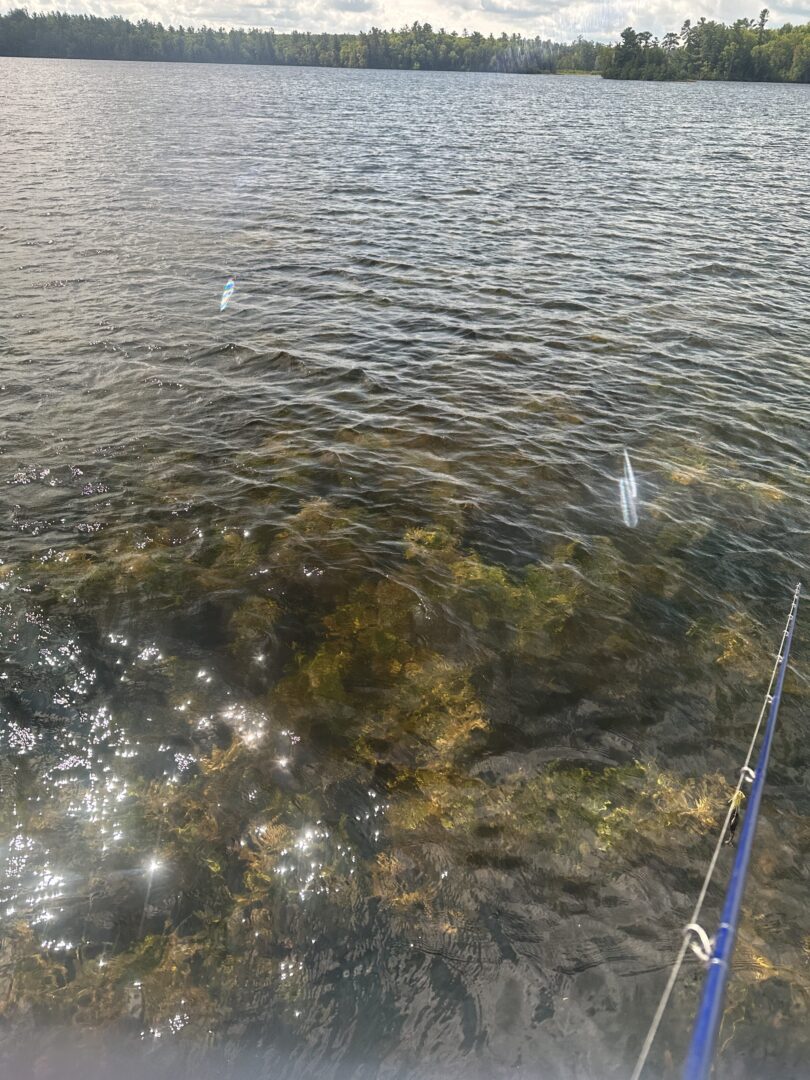
Most largemouth habitat on my eutrophic and mesotrophic lakes is vegetated. Native plant species like bulrushes, lily pads, coontail, northern milfoil, and pondweed varietals are most common. Meanwhile non-native invasives and introduced species like Eurasian milfoil, hydrilla, bladderwort, and curly-leaf pondweed may also be featured and in some cases take over the entire lake. Largemouths find ways to utilize them all!
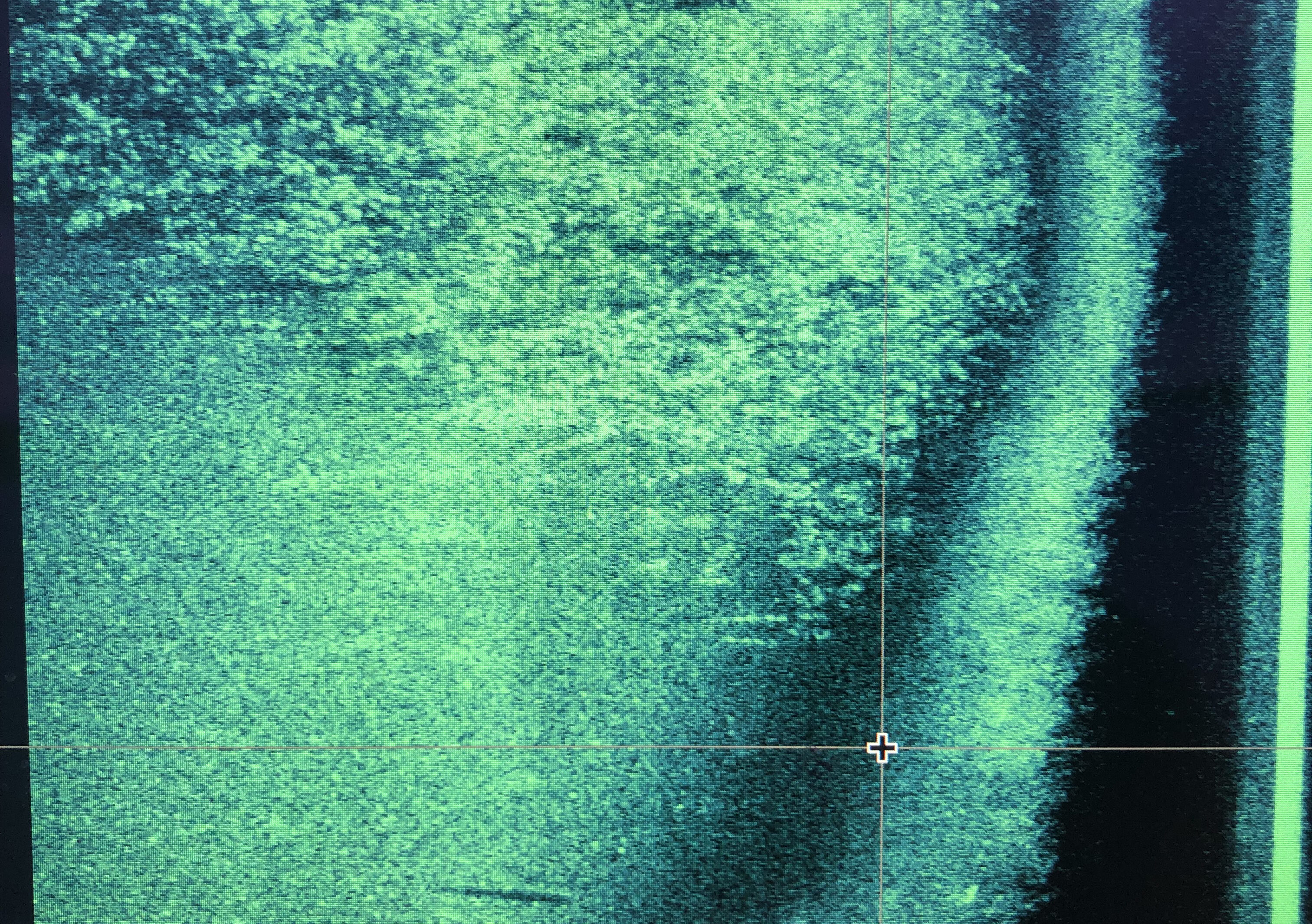
My best largemouth lakes contain several weed beds and deep weedlines of green cabbage. Once fully established, on the onset of summer peak, it becomes a player for all the deep weedline fishing we will do through year’s end.
Green cabbage is the deepest-growing, producing much-needed oxygen can last through late fall into early ice. These characteristics are what makes mid-summer deep weedline fishing productive and this pattern so predictable every July and August.
The magic depth for this plant species tends to be between 10 and 15 feet. I find it so ap
Fishing Tips and Short Stories
 Smallmouth Scenarios by SeasonEvery fish species has a seasonal calendar that in no way resembles .....
 Where to Go Fishing During Cold FrontsHere in Wisconsin, largemouth and smallmouth lake types and .....
 Perfect Plants to LargemouthsThe lives and feeding patterns of largemouth bass revolves around .....
 Finding Trophy Largemouth LakesRealize that not every lake is capable of growing and rearing .....
 Kid Friendly Smallmouth LuresKeep lure selection simple, and outfit a child with the simplest .....
 Tracking Midsummer Largemouth Bluegill BitesBluegills are the backbone and lifeblood of all good largemouth .....
 My Dark Brown Water Smallmouth SecretThe Bama Craw Z-Man Fishing Products Chatterbait Elite EVO .....
 Opportunistic Feeding and Junk Weather WindowsUnlike us, big fish don’t read through the phone’s weather apps or .....
 The Best Early Season Largemouth FisheriesWhere to go and what to do in early spring is a calculation, as not .....
 River Patterns, Spring thru FallRiver fisheries continue to be lower-class smallmouth destinations .....