
Pre-Turnover Smallmouths

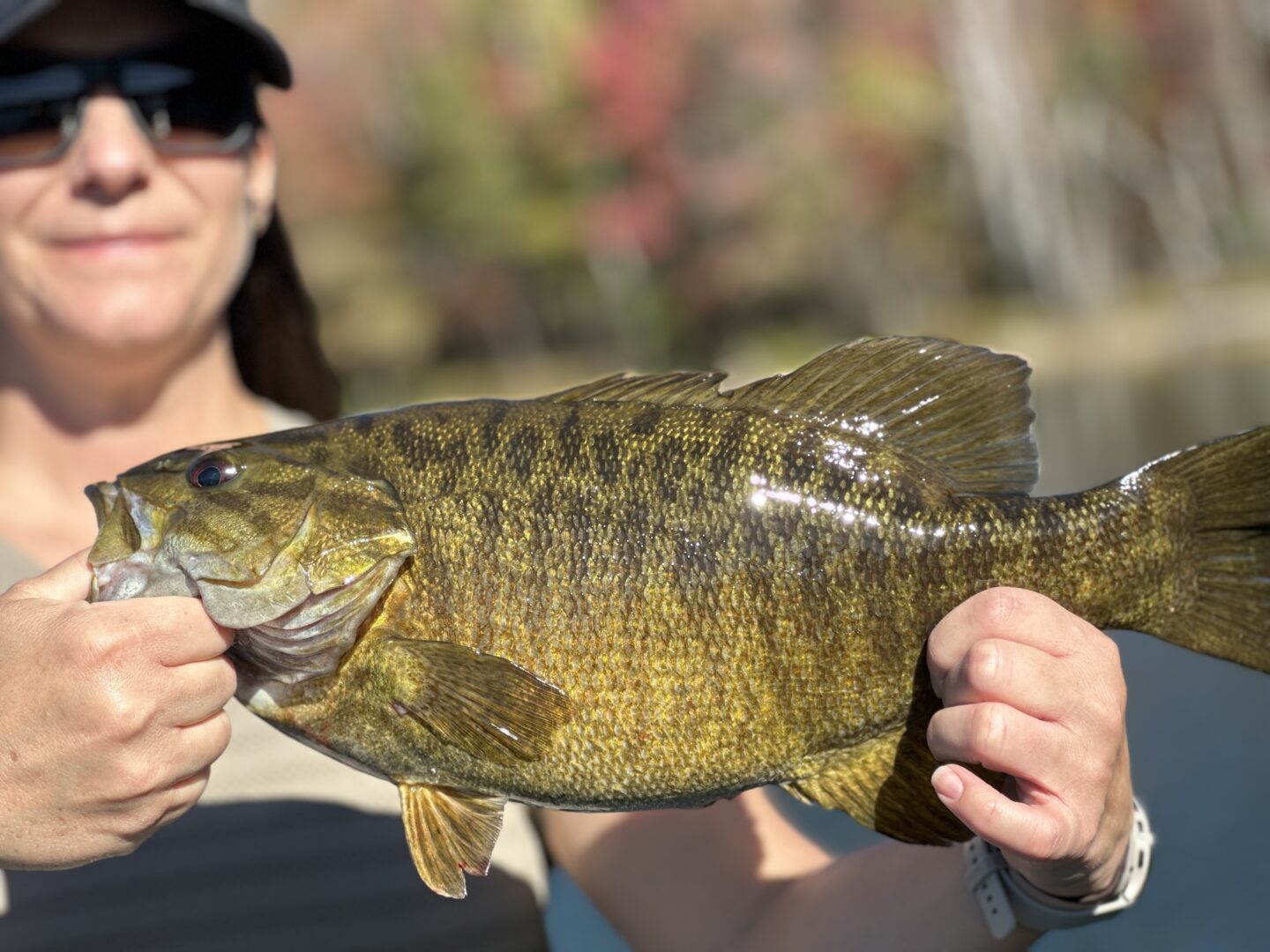
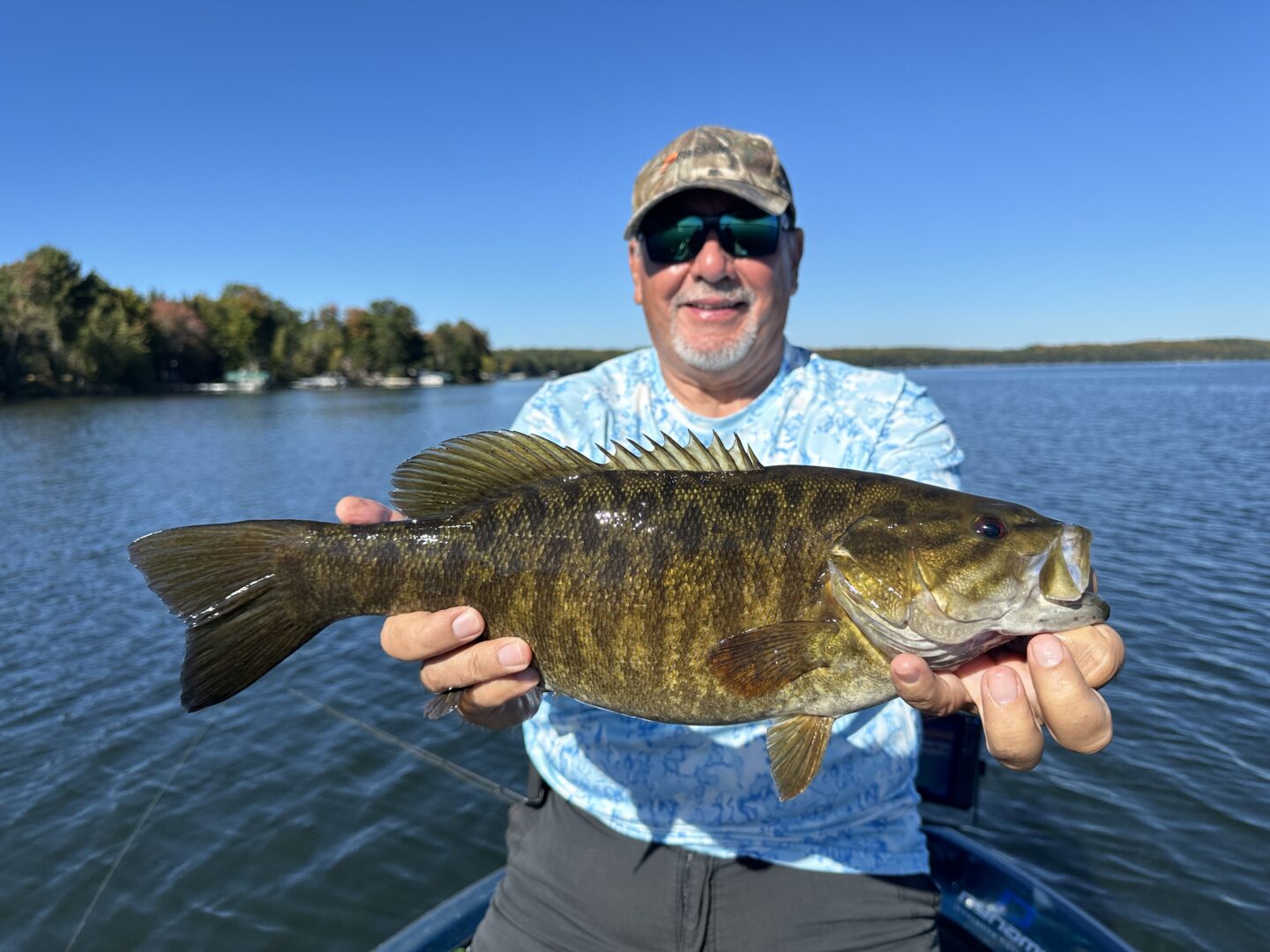
Smallmouths know when seasons change, and have the ability to prepare and adapt to all conditions. Their activity is always a product of changes whether they be seasonal, temperature, location, wind and weather, or some other biological influencer. If able to pattern accordingly, your fishing strategy, and the day’s potential fishing destination, must revolve around each specific condition.
Every smallmouth fishery I go to responds uniquely and individually to specific conditions. For example, certain specific lakes respond and fish favorably to warm fronts, while others to cold fronts. Some are wind-driven, while others require calmness. I have sunny day lakes, and overcast day lakes. There are daytime fisheries, and there are nighttime specific fisheries.
How a lake fishes favorably to specific conditions largely depends on the layout and orientation of the lake, its composition, depth, water clarity, available structure and habitat, and an understanding of how its resident fish species react to changing conditions and knowing where they go. Experience and time on the water will teach you – even by learning through failures.
My inordinate amount of fishing time has played a major role in helping me determine how and where to fish on any given day. With thousands of lakes to fish in my region, I know where and when to go, even with guide customers.
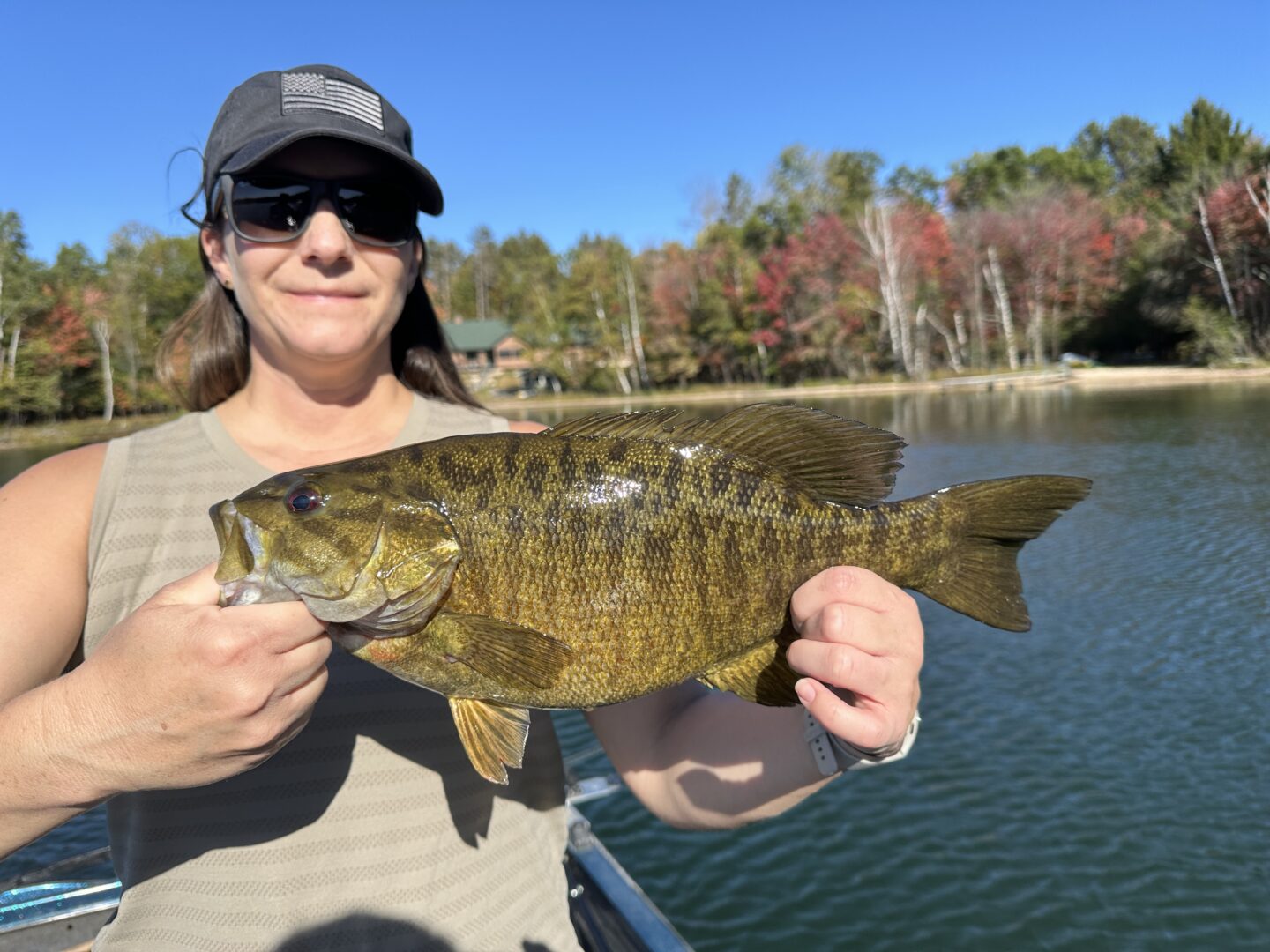
Having a well-rounded smallmouth plan requires a basic understanding of how fish relate to changes in the environment. These could all be weather related, daylength, water temperature, clarity, forage, location, growth of vegetation, and biological such as spawning or homing preferences. During post-spawn for instance (for me this is in mid to late June), smallmouths enjoy weather stability and forage overabundances for the first time all year. Most fish are in the shallows, and feed heavily to recoup the energy and body mass lost during the spawn. Then it all slowly goes downhill thereafter, in which they are forced to seek cooler depths, and relocate to areas of the lake where the food is at. Smallmouths then adapt and behave accordingly to whatever each day’s conditions are presented forward.
Every fish species has a seasonal calendar that in no way resembles ours. My smallmouth bass calendar from spring through fall is intricate, but often relative to specific conditions and my reaction towards them.
Post-Summer / Early Fall / Pre-Turnover
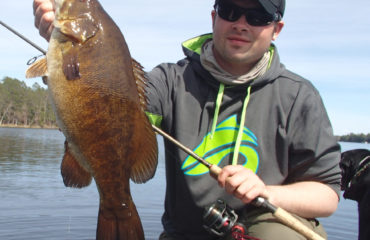
September is personified by the shortening of daylight and cooler overnight lows. Once you begin seeing the early morning fog across the lake, it’ll be a time of transition for smallmouths and many fisheries, as fish begin to prioritize their move toward wintering locations, and revisit the shallows for feeding. By Labor Day, majority of my smallmouth fisheries are driven by the migrations of yellow perch schools. This abundant food source peaks, dictating most smallmouth feeding and locations prior to turnover. Fish can be anywhere, from shallow to deep.
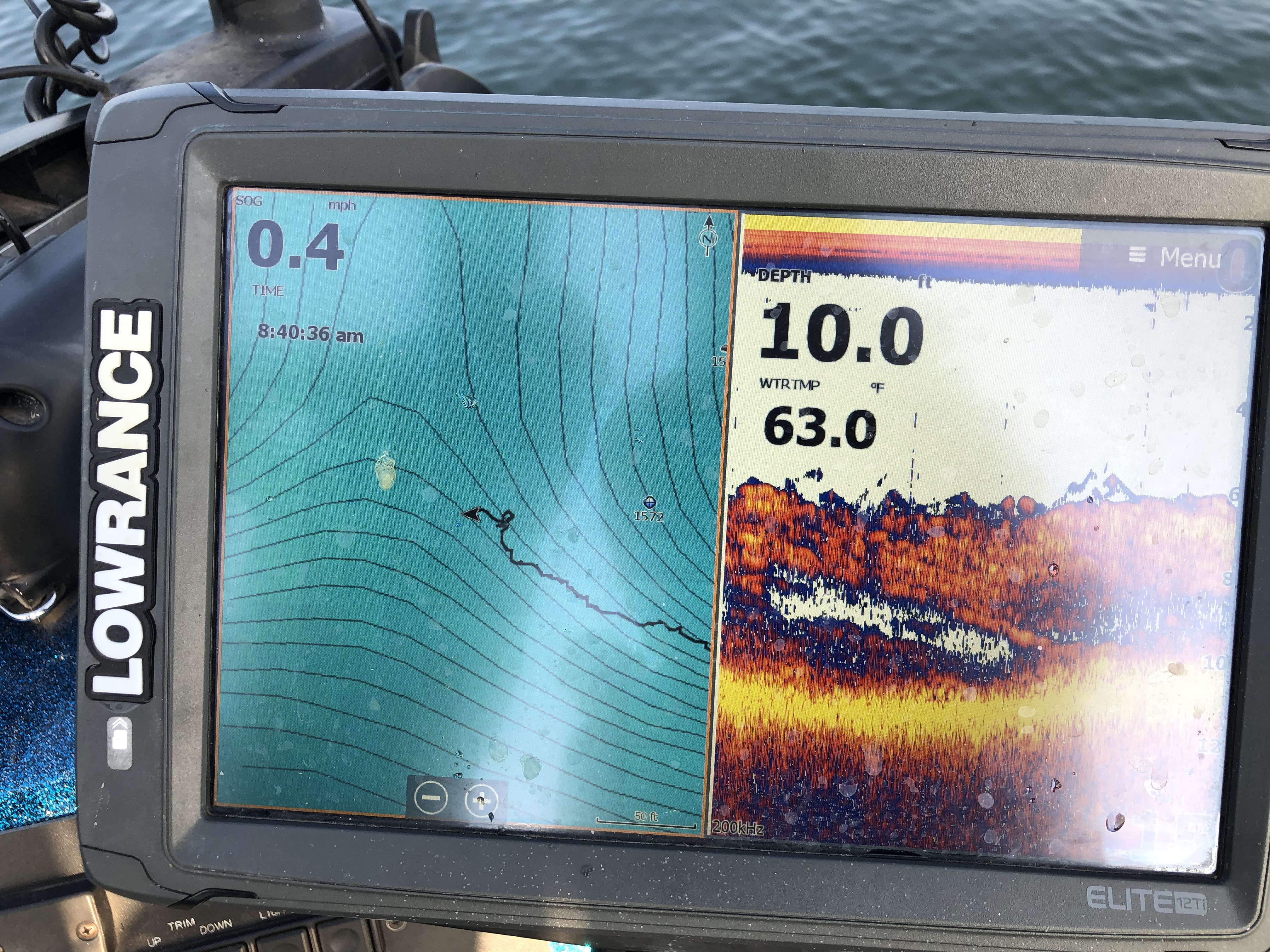
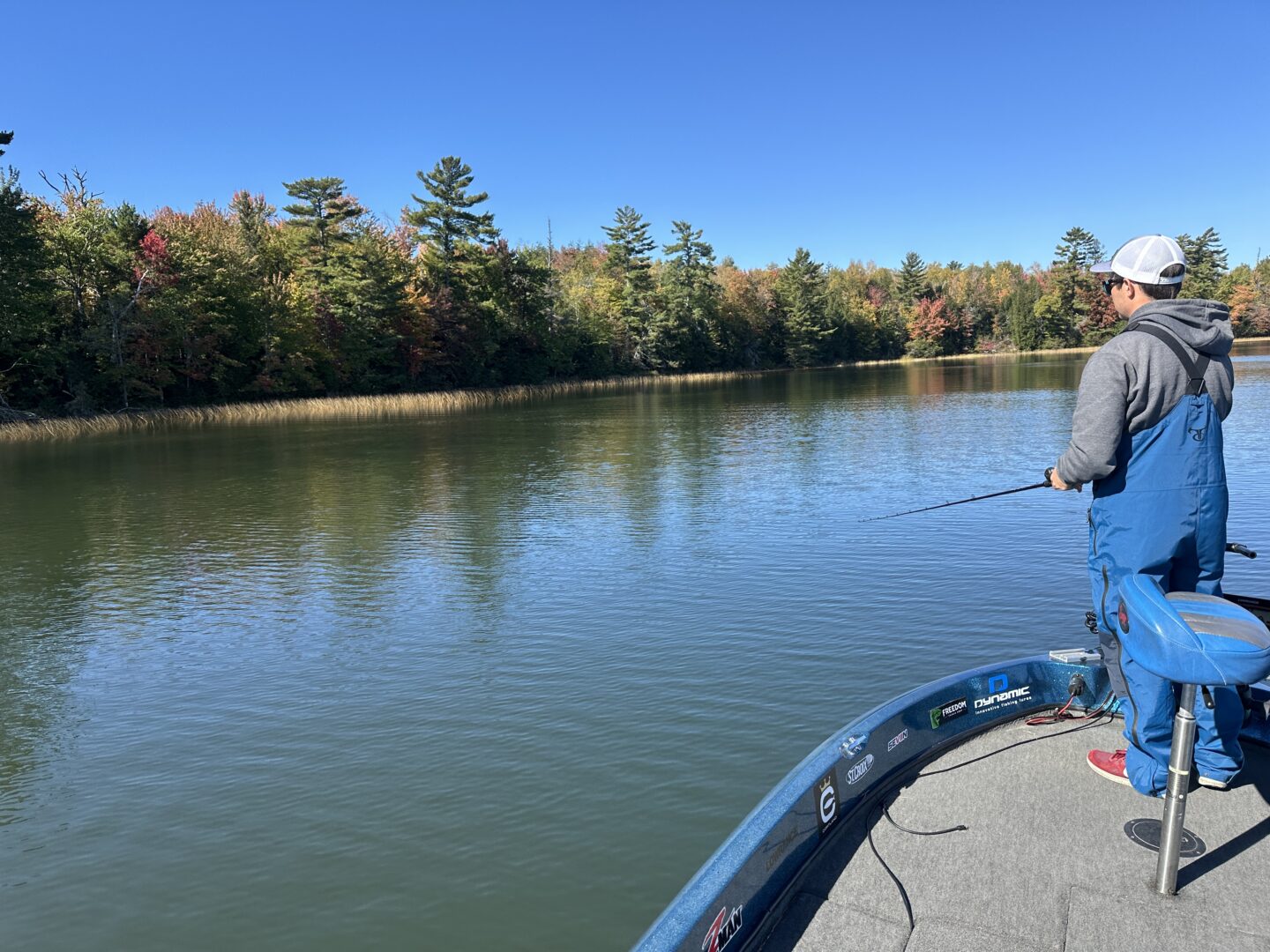
The entire month of September encompasses pre-turnover. As water temperatures steadily cool from the low 70’s to the upper 50’s, many smallmouths are motivated to feed and visit the shallows one final time. For a few weeks, we will be catching majority of our smallmouths on the edges of weed lines, and flats until turnover takes place. Oppositely to spring, coldfronts help enhance the bite, and trigger the feeding. My September focus is exclusively on larger, trophy waters, where expansive flats, sand beaches, and weedline fishing can keep the boat busy.
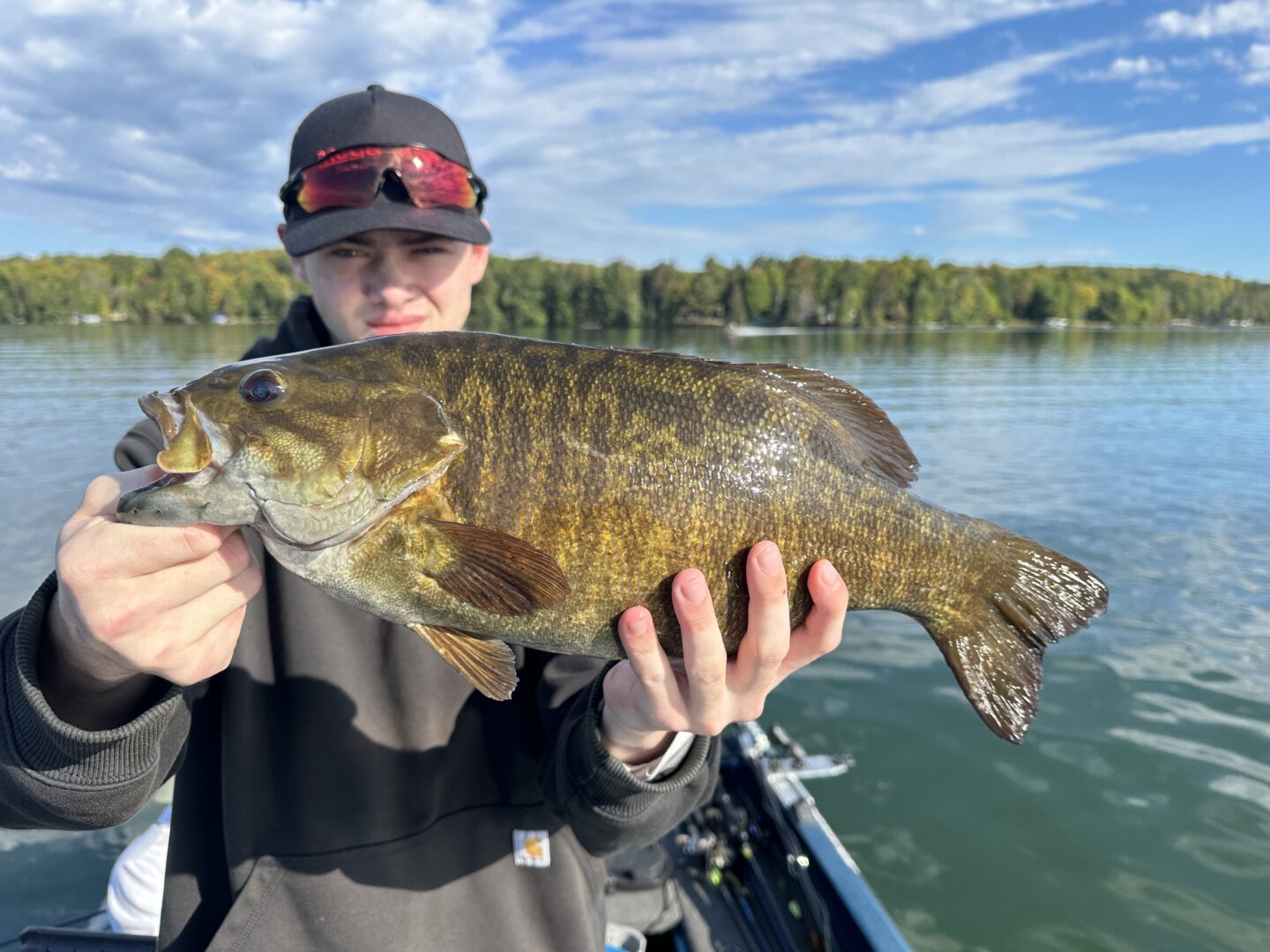
The shallow casting bite of early fall ends with the onset of turnover. The good news, not every lake experiences turnover, and some years isn’t as drastic as others.
On the inland lakes that turn, the mixing of lake water halts the fall bite temporarily, only to resume again once smallmouths have completed their move to deeper water. Once water temperatures dip into the lower half of the 50’s, the entire focus into November month revolves entirely around deep structure and wintering sites. You should want to fish smallmouths until the bitter end. You’ll only be focusing on one or two lakes at most, probably.
While most of this segment focuses on positivity, let’s discuss some of the negativity. Seasonal changes and certain other scenarios can bring forth adverse effects on smallmouths that’ll lead to poor fishing conditions.
Major weather systems such as powerful thunderstorms, the crackle of thunder and lighting, and cold fronts following high pressure can ruin all the good fishing one might have experienced hours before. Bass will hunker down, disengage, and lay low, making them difficult to catch on even the slowest finesse or bottom oriented presentations. Not even forward-facing sonars and force-feeding them will enable you to capture them. The morning of a cold front is the day you are better off sleeping in, or not fishing at all.
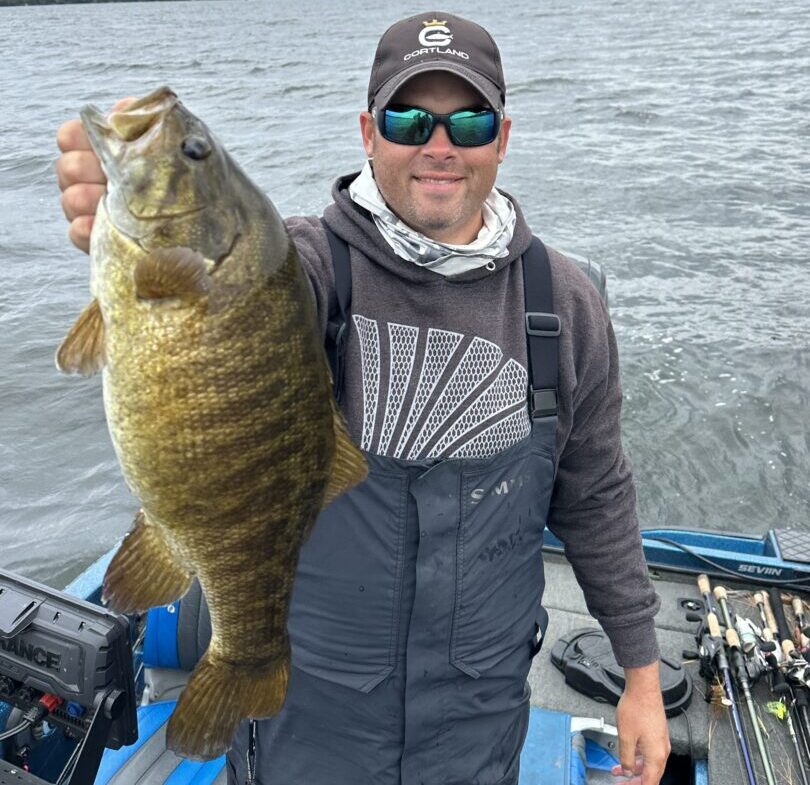
Oppositely in fall, cold fronts will turn the fish on. They represent some of the best fishing and feeding phases of the fall season. The passing of each cold front until winter’s arrival becomes more severe, with each smallmouth bite potentially becoming better. Bass sense that their growing season is coming to an end, and cold blasts and northwest winds trigger feeding spurts. In addition to cold fronts, rainfall and snow showers can also trigger fish into feeding. The cold-water temperatures of autumn result in the slowest fish activity and metabolism, but increases feeding in order for bass to build up their energy reserves for winter. Before and after turnover, I try my best to smallmouth fish on coldfront days, even though it’s difficult for me to abandon the muskies.
Every fall, we’ll also get hit with a week or two of Indian summer. These will temporarily halt fall movements and curtail the feeding, but summer-like fishing strategies and locations enter back into the game plan.
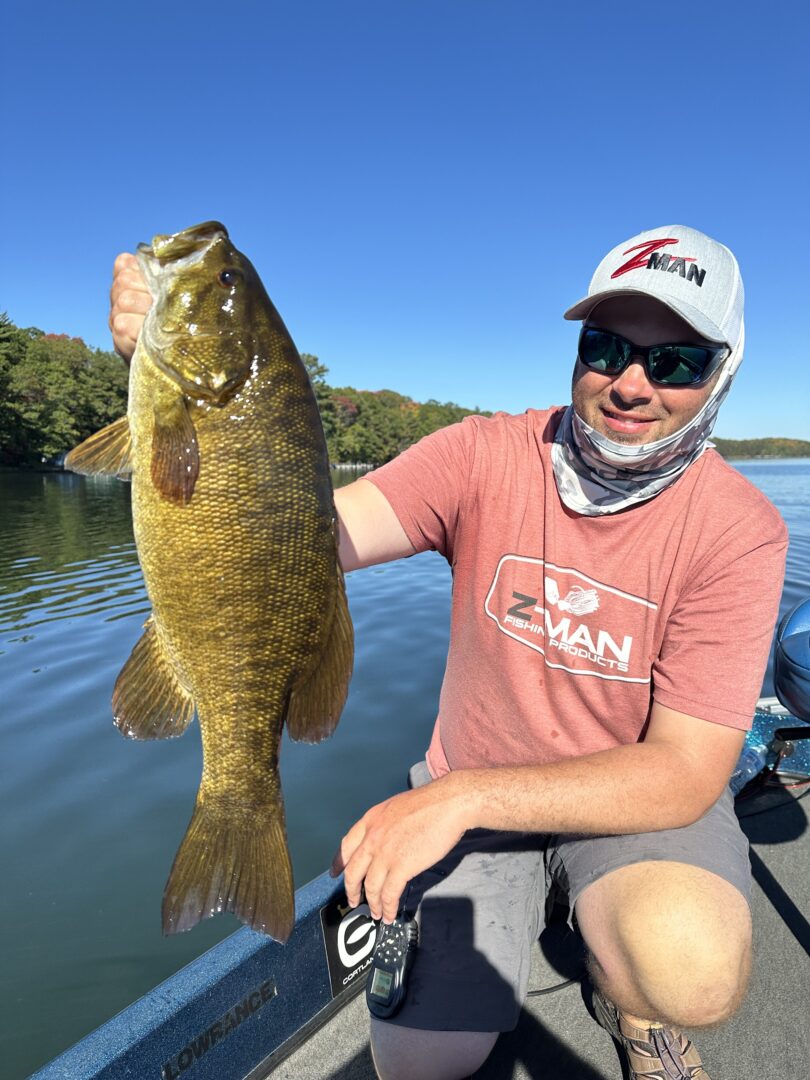
Whatever the conditions, always have a plan! Then fish and present yourself accordingly.


Articles
 My Shallow Water Playbook for Ice Out LargemouthsPromptly at ice out, largemouths swiftly relocate from their ......
 Finding Trophy Bass LakesIt’s no secret that location is the most critical factor in ......
 The Best Lake Types to Fish by SeasonSo many lakes, such little time. It’s easy to get overwhelmed by ......
 My Best Chatterbaits for Spring LargemouthsMarch and April are Chatterbait-centric months for many of us who ......
 Catching Smallmouths if it’s a Cold SpringCold water and below average temperatures of spring are a byproduct ......
 Proven Presentations Only at Ice OutDepending on where you live, ice out could either be nearing or is ......
 Smallmouth Scenarios by SeasonEvery fish species has a seasonal calendar that in no way resembles ......
 The Best Largemouth Bass Lures of 2025I love fishing for big largemouths, and it’s too bad these ......
 The Cheat Code for Sculpin and Goby BaitsLike gooey and greasy cheese curd appetizers to us, gobies and ......
 Catching Smallmouths in November“Andrew, at what point do you stop catching smallmouths in ......