
Rise and Shine Largemouths

Rise and shine!
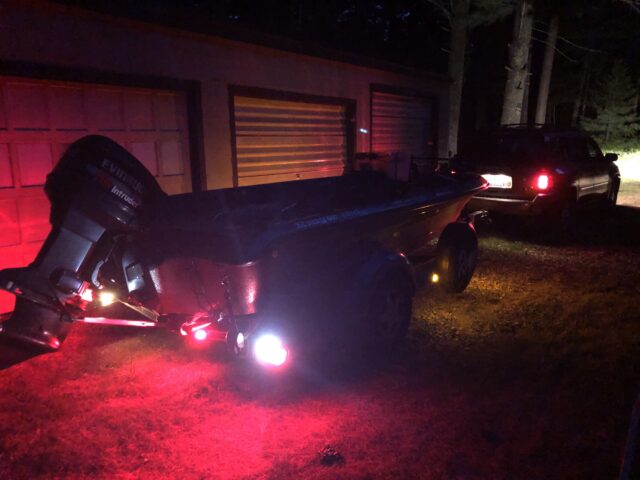
Multiple alarms sound off, prompting me to get out of bed. It’s 3am, and pitch-black outside. I sleep-walk into the kitchen, and fire up the coffee pot. To wake up and get my day started, I’ll need more than just a few copious cups of high-caffeinated coffee.
If you’re FAR from a morning person like I am, rejoice in knowing these next few hours of the day, once you arrive at the lake, could produce the very best action and trophy largemouth fishing opportunities of the summer season.
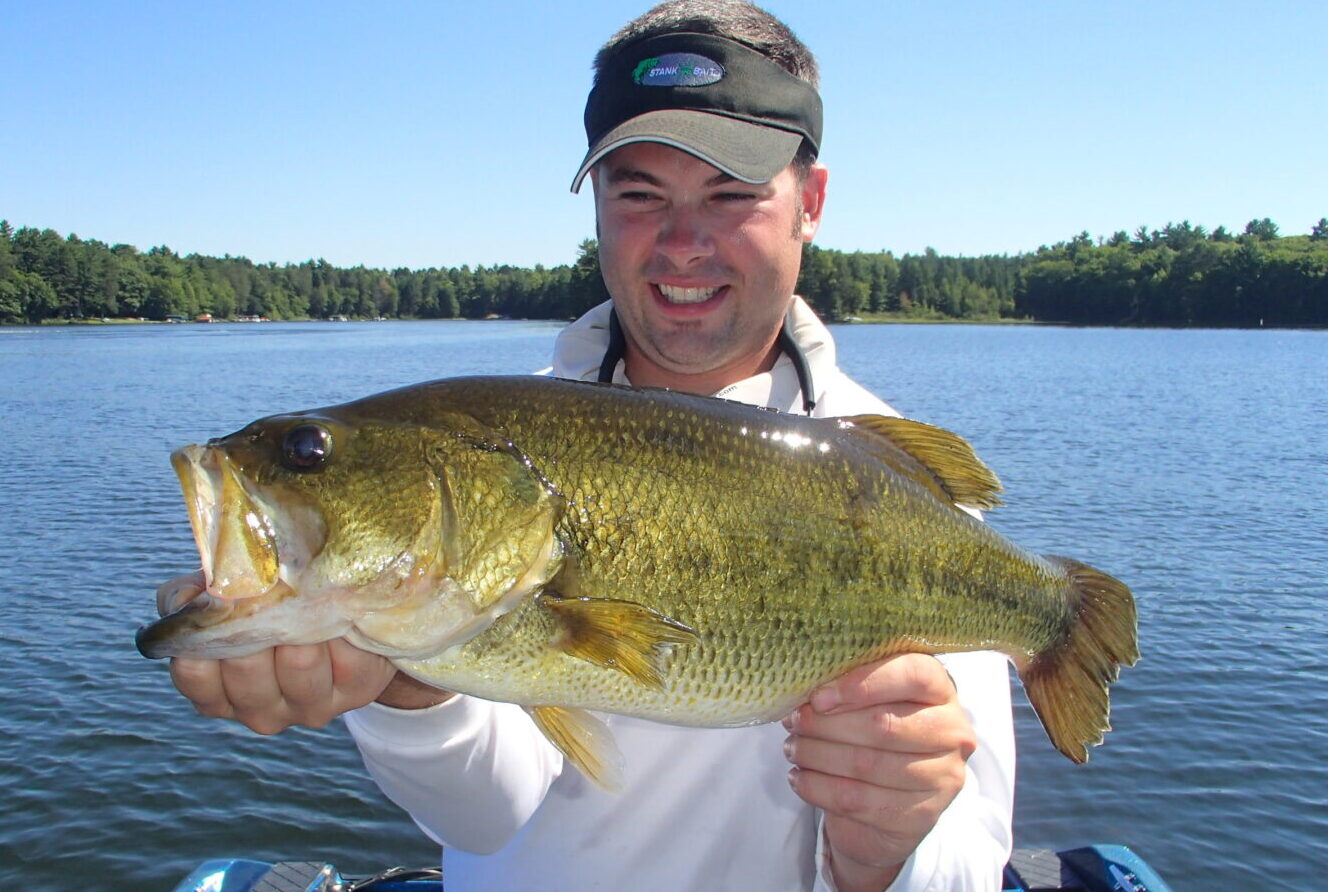
My wake-up call is catching a monster bass at daybreak.
This is the one instance you’ll need to be on the water by 5am, and then be done by breakfast at 9am.
Although northern largemouths have voracious appetites with the capability of eating all day long, some parts of the day can be more special than others, and open additional feeding windows to catch fish at higher rates than usual. In this part of the world, it’s often the early morning bite. Once summer-peak settles in by mid-July, and warm hot days dictate fishing times, anticipate good fishing to occur at sunrise.
Chasing trophies is what I do in mid-summer. The only reason I succeed is I have the motivation to get out of bed at 3am. I’ve also found a few fisheries and know where the big ones live.
Depending on your waters and trophy fish findings, mid-summer largemouth bass patterns could be habitual or constant from year-to-year. They may also revolve around good weather, peak feeding, biological factors, or are influenced by season. Additionally, patterns and situations could just be specifically lake-dependent if that’s your observation.
The variety of largemouth patterns I attempt to follow each summer are predictable, often repeating themselves annually when everything aligns perfectly together. In this case, it’s launching the boat at my favorite largemouth waters before sunrise, on only the warmest and sunny days, during the months of July and August.
Wakey-wakey Largemouths
It’s mid-July. The daytime surface temperatures typically reach 75 to 80 degrees, often exceeding that. Summer peak is on. Consequently, the daytime fishing efforts aren’t paying off, as the biggest largemouths congregate along the deepest edges, lay low, and are lounging around comfortably in the better oxygenated deeper waters.
Struggle can be the norm for midday fishing. Time is best spent elsewhere, as oppressive heat and sun exposure delivers some of the most challenging fishing conditions of the year. However, these conditions will help deliver the best trophy largemouth fishing of summer if you’re willing to get out of bed very early, like I’ve detailed.
Warm overnight lows, high dew points and humid nights aid in stimulating largemouth bass appetites the following morning. For this window of opportunity, you need heat. The hotter and humid, and more repetitive each day becomes, the better and more predictable the morning bite gets.
More than just heat is needed, however. You have to be on the right, fertile waters loaded with food and hosting hungry largemouths. For this seasonal pattern, I favor heavily vegetated mesotrophic and eutrophic lake types.
This is Not a Bite That Happens Everywhere
Largemouths are comfortable in warmer, shallower waters. They are also efficient predators in algal bloom conditions. Come mid-summer under 78-to-82-degree water temps., largemouths from these waters feed heavily all season long to maintain their robust weights.
Wherever I find heavily vegetated or algae-blooming, waters, I want to go fish them exclusively in summer. My region of Wisconsin is very fortunate to have these fertile systems in place. These lakes can exist throughout agricultural regions, in glacial lake regions, and in drainage systems. A lot of them support great largemouth bass fisheries. Eutrophic waters that can survive up to a decade without any kills will produce the biggest bass anywhere in the north. These waters could contain several year-classes of bass, and be home to giants that feed non-stop.
Eutrophic lakes are exceptionally fertile, shallow, and heavily vegetated. These waters are personified by all of the nutrients and run-off that feeds into them, triggering summertime algae blooms and potential summer kills. Rarely deeper than 10 to 15 feet, they are bowl shaped, often lacking well defined structure other than islands (if present) or weed humps. They tend to have silted muddy bottoms, and may feature boggy and heavily submerged wooded shorelines and tannic stained water. Some, that are borderline Mesotrophic waters, can be 20 feet or more. In summertime, these lakes can take on the appearance of pea-green soup.
Most largemouth habitat is vegetation. Native plant species like bulrushes, lily pads, coontail, northern milfoil, and pondweed varietals are most common. Meanwhile non-native invasives and introduced species like Eurasian milfoil, hydrilla, bladderwort, and curly-leaf pondweed may also be featured and in some cases take over the entire lake.
Big largemouths require an abundance of food, and their locations and feeding habits will revolve around those locations.
Lake Specific Largemouths
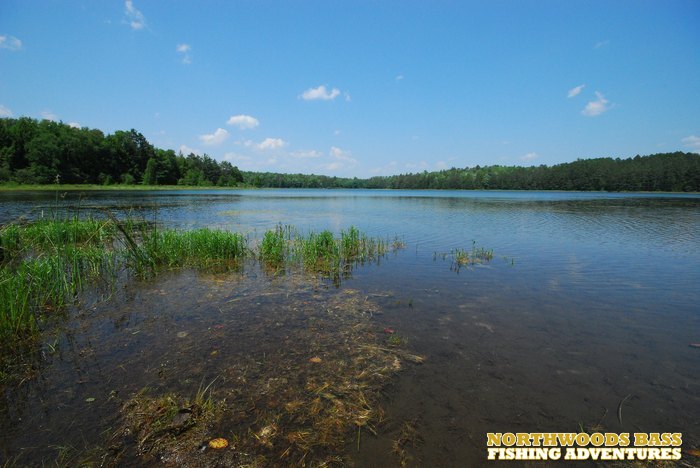
Largemouths from these waters feed heavily all season long to maintain their robust weights.
Bluegills
Across most northern largemouth fisheries, juvenile bluegills are the primary forage species. Finding them first is the secret to unlocking this early morning bite. The dependency between largemouths and this principal forage species will dictate their summertime locations and the noted early morning feeding habits. Finding them first is the secret to quality fishing.
Approximately how many small, juvenile bluegills can a fertile, 300 acre lake have? There could be millions of them.
Juvenile bluegills are known for their mass schooling. In some instances, thousands of bluegills may surround the boat. Good luck in competing with them!
If unable to see them surfacing or in the water, idle along deeper edges or across the basins of these shallower waters, and you’re bound to encounter several pods of them roaming. Largemouths will follow suit, and they too become roamers.
On many lakes, bluegills turn pelagic in mid-summer. Lack of sublittoral cover sends them into open water especially if the lake is shallower. Meanwhile if the lake is featureless, it could be a wildcard with most of its fish relating shallow year-round. On other lakes, they’ll be weed oriented.
The good news about this situational pattern is that high-end electronics aren’t a requirement for success if you pay attention to the lake’s surface. Wherever there’s surface activity happening you’ve got to get the boat immediately over to that region to fish it. Fish quickly and vigilantly.
Calm, humid conditions are most inviting for schools, promoting high surface activity. The activity levels of bluegills drive the feeding and moods of its largemouth fishery. When bluegill schools are visible near-surface, feeding and roaming along the edges or throughout the basin areas, the food chain is very active. When we witness bluegill schools exploding across the water’s surface, the largemouth fishing is very good. Massive bluegill schools thrashing the surface, fleeing from predation, is a common sight and often indicative of feeding largemouths.
Other days the food chain will be significantly less active, most common on windy days and coldfronts. The only proof of bluegill schools will appear on your sonar and side-imaging with schools holding deeper and concentrating tightly to the weedline’s edge. In periods of lesser activity, the largemouth fishing is more difficult, but good catches are still achievable.
Not all lakes are created the same, and not every bluegill fishery behaves similarly. Lakes containing mass bluegill schooling will experience shifts in the locations of its largemouths, and other species too. Areas with bluegills will concentrate largemouths, vacating many prior-occupied lake locations and regions.
Juvenile Bluegills
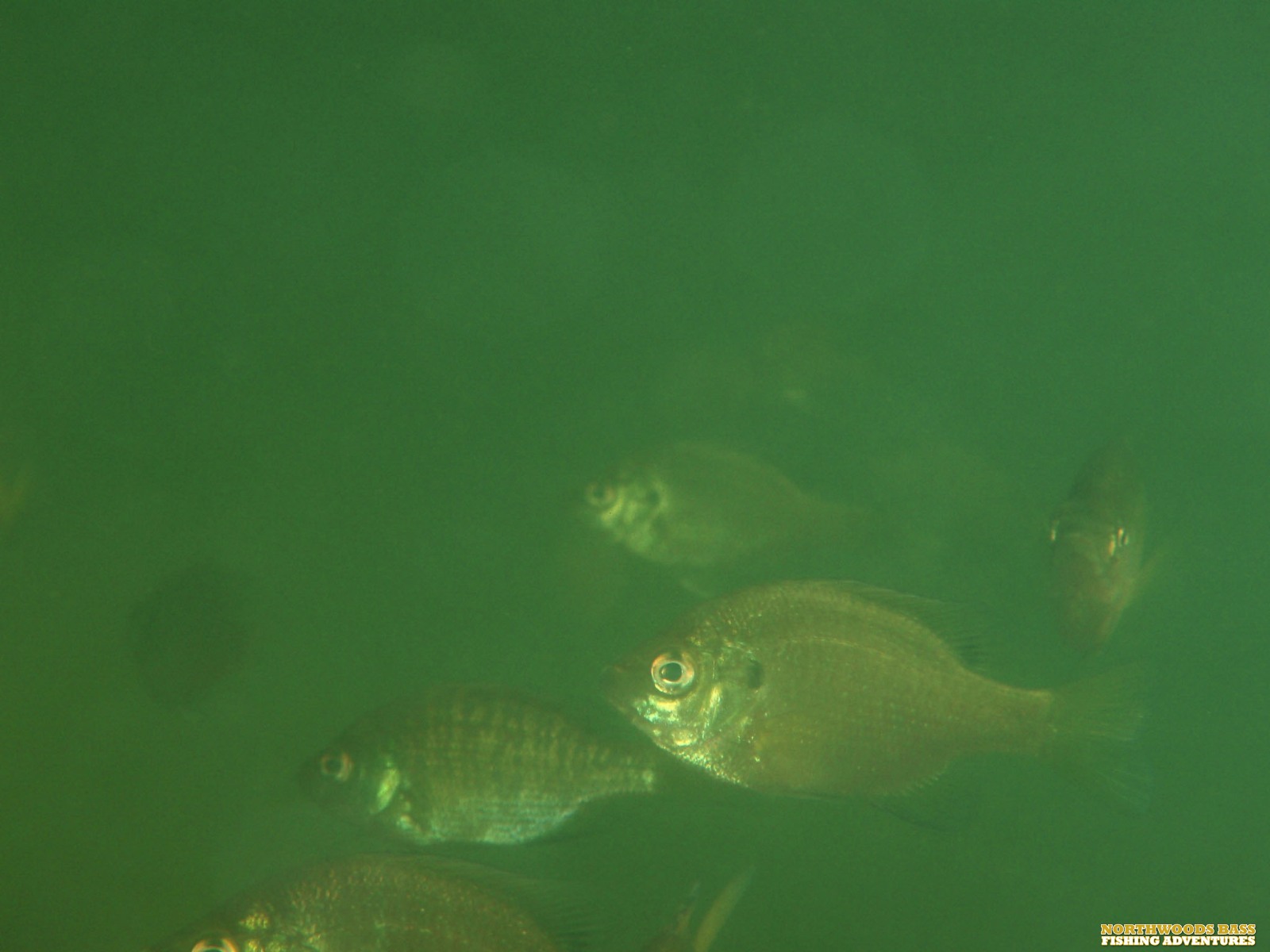
Across most northern largemouth fisheries, juvenile bluegills are the primary forage species. Finding them first is the secret to unlocking this early morning bite.
Go Where the Food Is
I’m not a morning person, but the earlier we can start fishing the better. Wherever I go, my goal each morning is to be on the water by no later than 5am.
After launching the boat, we are observant of surface activity. Most of the time schools exploding the lake’s surface are visible. If you see any commotion, you’ll know in which direction to go.
On any new or familiar body of water, the areas I check first, if the lake contains them, are isolated weed humps & bars, offshore points and extensions leading into deep water, the deepest edges of weed bars, and deep weedlines that drop down and extend into the lake’s basin. If the lake has minimal weed structure, you’ll want to idle and run through its basins, especially if it fits the profile of my ideal eutrophic lake choice.
The most shallow and weedy largemouth lakes are poorly mapped, or not at all. Thankfully on these lakes, water color and wave action can reveal the presence of submerged weed bars easily. If the lake is in summer bloom, weed bars that are sprouting above and sub-surface will be visibly dark green. Many times, I’ve discovered previously unknown humps by observing weed clumps protruding like this through the surface. Additionally, if there’s a wind, those same weed clumps will disrupt the ripple pattern across the lake’s surface. These two indicators are by far the best.
The best weed humps I know of are often associated with weed bars and some forms of weed growth. Weed beds located in open water are good indicators. Aquatic vegetation can only grow to an extent, and most of the humps that are largemouth holders are typically in depths of 15 ft. or less. Cabbage weed species and coontail are bluegill and largemouth magnets on these structures.
Having a good knowledge of the lake’s deepest weeds and offshore bars is critical for identifying likely locations. Side imaging is integral, and will confirm the presence of bluegill schools if they aren’t visible otherwise.
Largemouths will go where their food is. Whether they’re using the basins or deepest edges, idle around, but keep a distance away from them. Good side imaging such as Lowrance’s 3-in-1 Active-Target transducer can often separate the fish apart from habitat. Additionally, with bluegill schools and bass both roaming and constantly on the move throughout the open water basin, Forward-Facing sonars can be an integral too for this, but I refuse to equip myself with these technologies. Whatever your technology methods are, enter waypoints to where fish are holding, then go back to fish those areas slowly and methodically. Casting and jigging strategies will work. Use spot-lock frequently to precisely hold boat position and where pods of largemouths are located.
Search Baits
First, you’ll want to fish fast with search baits.
Where depth allows, I first search through the area with a Rapala DT-6 or DT-10 crankbait. Parrot and baby bass are ideal patterns for weeds and bloom conditions. Fish aggressively first. Avoid using too deep of divers, if possible, as they’re prone to hang-ups. The DT-6 is perfect as it can intercept fish suspending off the edges or in the open, and rip through the tops of grass. Whether it’s calm or windy, these crankbaits can work well the entire morning where depth allows. I launch my crankbaits with St. Croix’s Legend Glass (LGC74MHM) and Victory Rip-N-Chatter (VTC72HM). My low gear ratio 5:3.1 cranking reels are spooled with 12-pound fluorocarbon.
Paddletails and swimbaits will work in these same areas too, and depending on rigging methods are most versatile through weed cover and the open water. Bluegill swimmers like the 4.8″ Kalin’s Tickle Tail paddletail (electric blue chartreuse), or 5-inch Lunker Grub (smoke, avocado, or bluegill) rigged with a weedless ¼ oz. Freedom Tackle Hydra head is all it takes sometimes, fished with a slow steady swimming retrieve. Slow swimming this weedless package sub-surface and above the weeds can simply score huge numbers of fish. My preferred set-up for this is a 7ft MHF St. Croix Avid (AVS7MHF), the swiss army knife of rods. Bomb cast, and hang on! Remember to keep these swimming baits moving quickly through the water at all times.
If fish are surfacing under calm conditions, especially early and late in the day, a topwater like Rapala X-Rap Pop, Skitter V and Skitter Walk, and Freedom Tackle’s Mischief Minnow and Swinging Buzzbait are fished with great results. Observe the lake’s surface and listen for blowups – you’ll want to go in that direction, and cast through those areas. A calm surface with high humidity is the requirement for a strong early morning topwater bite.
Crankbaits - DT6 and DT10
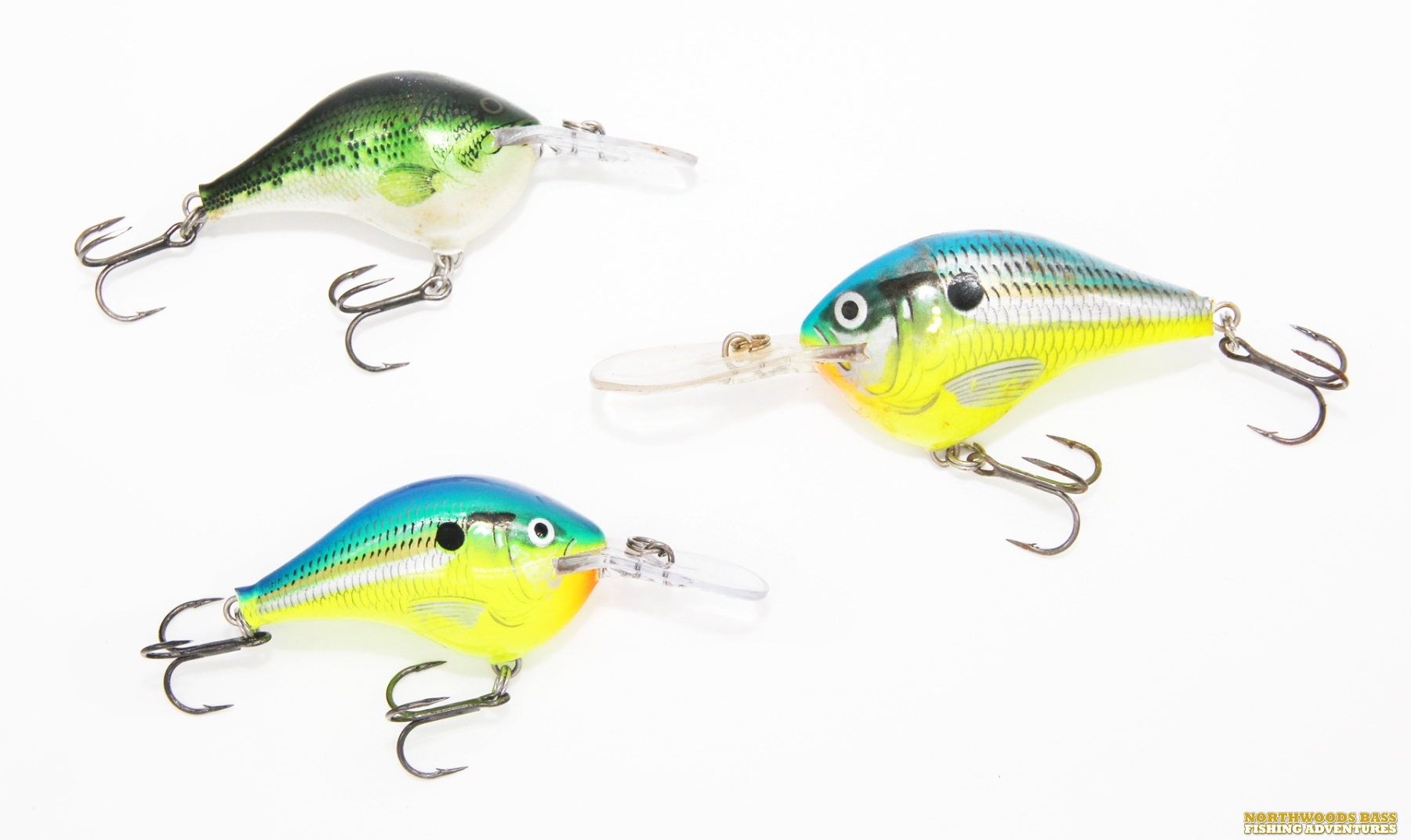
Where depth allows, I first search through the area with a Rapala DT-6 or DT-10 crankbait. Parrot and baby bass are ideal patterns for weeds and bloom conditions. Fish aggressively first. Avoid using too deep of divers, if possible, as they’re prone to hang-ups. The DT-6 is perfect as it can intercept fish suspending off the edges or in the open, and rip through the tops of grass. Whether it’s calm or windy, these crankbaits can work well the entire morning where depth allows.
Then Slow Down and Try This
Eventually, you’ll need slow down and work the edges and weed humps thoroughly with jigs.
When both bluegills and largemouths are positioned tight to the weed edges, or concentrated within the vicinity of humps, the jig bite is reliable and effective with both swim jig and casting jig styles. Swim jigs enable penetration, and best overall coverage of weedlines. Ripping and swimming the 3/8 oz. Freedom Tackle FT series swim jig and Pro Series Stealth Swim Jigs are deadly extraction tools. Bream and bluegill colors are preferred. Fish both styles with a variety of swimming tails and craw/creature trailers. Meanwhile for casting jigs, a bluegill patterned 3/8 oz. 3G Smallmouth Solutions K-plunk jig is a favorite.
Often, the biggest largemouths occupying weedlines and pursuing Y.O.Y bluegills will be triggered by a larger bulkier trailer. On the swim jig, I am particular of overpowering them with big, bulky 5” paddletails. My assortment of tails consists of Bass Assassin Boss Shad, GrandeBass Kickback Shad, Gambler EZ Swimmer, and my custom-order air-brushed paddletails from Big Beast Baits. Meanwhile for the Freedom Stealth and Super-K casting jigs, creature trailers such as a 4” Bizz Bug (Bama Bug), Missile Baits D-Bomb (Black Neon, Super Bug), and Berkley Power Bait Max Scent Creature Hawg (Black), are my choices. These trailers also fish well by themselves on an Arkie style jig. Often, this simple jig by itself with only a trailer outfishes all.
Make sure to color-coordinate both jig and trailer to make it look most natural. Darker jig and trailer colors are necessary for contrast and to be seen.
Beyond swimming and casting jigs, you can fish weeds more accurately with a Tokyo rig paired with any of the aforementioned creatures. Additionally, consider a punch rig too. Both are exceptional for picking through heavy weed cover, especially the edges. I suggest fishing both rigs with a Mojo Bass Dock Sniper (MJC70HF), Victory Flip’N (VTC73HMF), and Legend Tournament Bass Workhorse (LBTC73MHF). The most suitable line for these rods will be 20-pound and 30-pound Cortland Masterbraid.
If lots of fish are present, and holding near-bottom, I slow down even further with a 5″ Kalin’s Wac-O-Worm (baby bass) rigged on a 1/8-ounce weedless wacko jig, Texas rigged, or rigged up Neko style. This lure category might be all you’ll need on some days. My set-up for this simple fishing is a spinning rod; the St. Croix Victory Max Finesse (VTS71MHF). The reel of choice is spooled with 15-pound Cortland Masterbraid as the main line, and a 2-foot section of 10-pound fluorocarbon leader.
The closer you’re positioned to the deepest edges, largemouths will often flash in and out from the edges and be visible on sonar. In these vertical situations, deploying drop shot rigs with Kalin’s Weenie Worms is phenomenal. I work the rig with a Victory Finesse (VTS71MXF) spinning rod. This is my rig of choice in dire circumstances.
For casting and jigging, you’ll want medium-heavy rated equipment all-around. The St. Croix Victory and Mojo Bass series of rods are the penultimate largemouth lineup of rods for their strength, durability, actions, and loading when hauling these fish from their cover-filled dwellings. For some added luxury, the new Legend Tournament Bass models have been a huge hit. I turn to these models before any others for casting and jigging purposes.
Swim Jigs
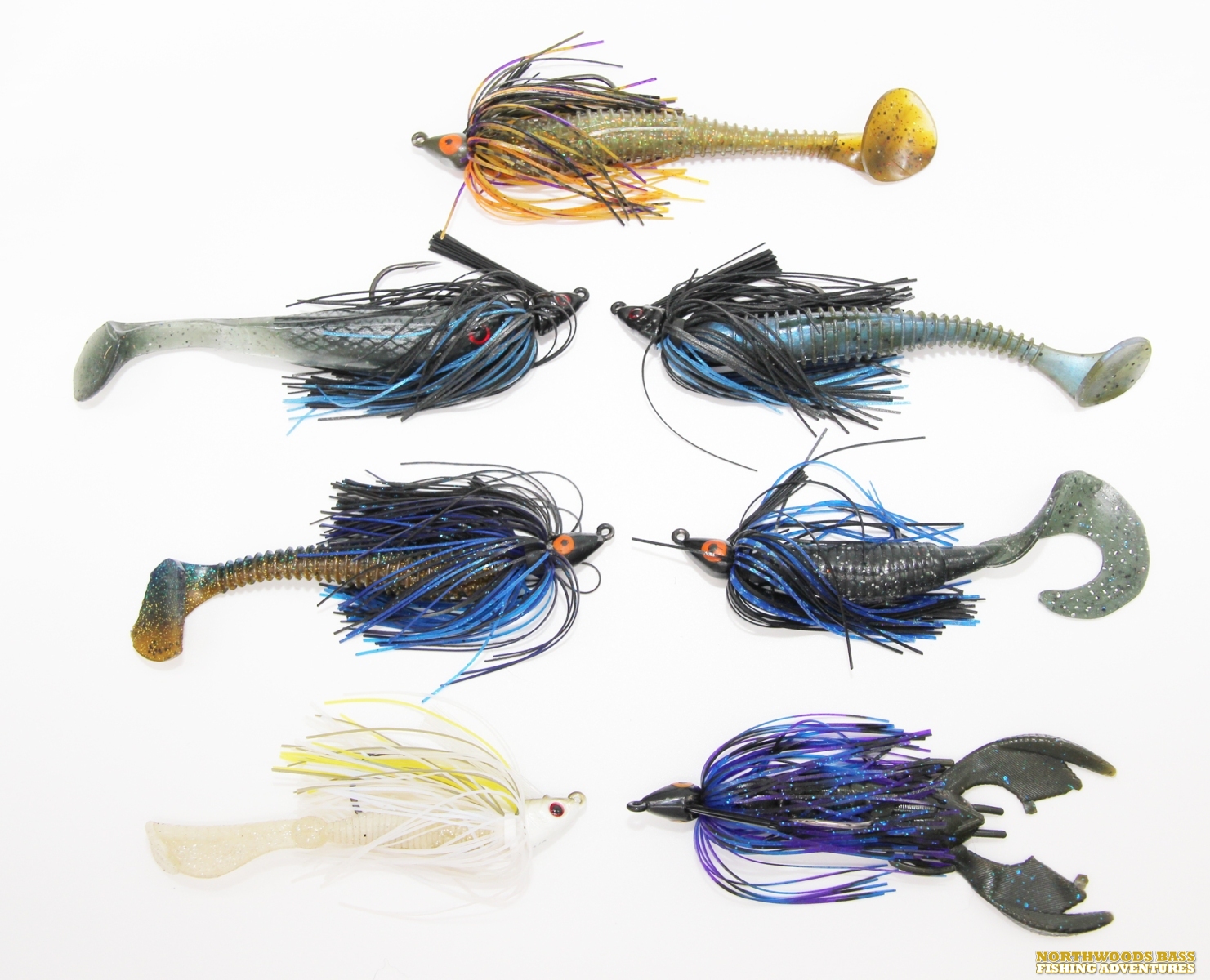
When both bluegills and largemouths are positioned tight to the weed edges, or concentrated within the vicinity of humps, the jig bite is reliable and effective with both swim jig and casting jig styles.
Rise and Shine
Every July and August, I look forward to waking up early despite the challenges. On hot weather days, I can anticipate a good early morning window and trophy bass opportunity if fisheries are identified and the conditions enable. The window generally lasts from 5am to 9am.
Bluegills are the driving forces behind many largemouth bass fisheries. More anglers are learning that locating juvenile bluegill schools is necessary for mid-summer success. On these fertile and weedy waters, the locations and feeding habits of largemouth are determined by this food source.
Set your alarms the night before, and attempt to rise early. Your early morning wake-up call will also be catching a monster bass at daybreak.
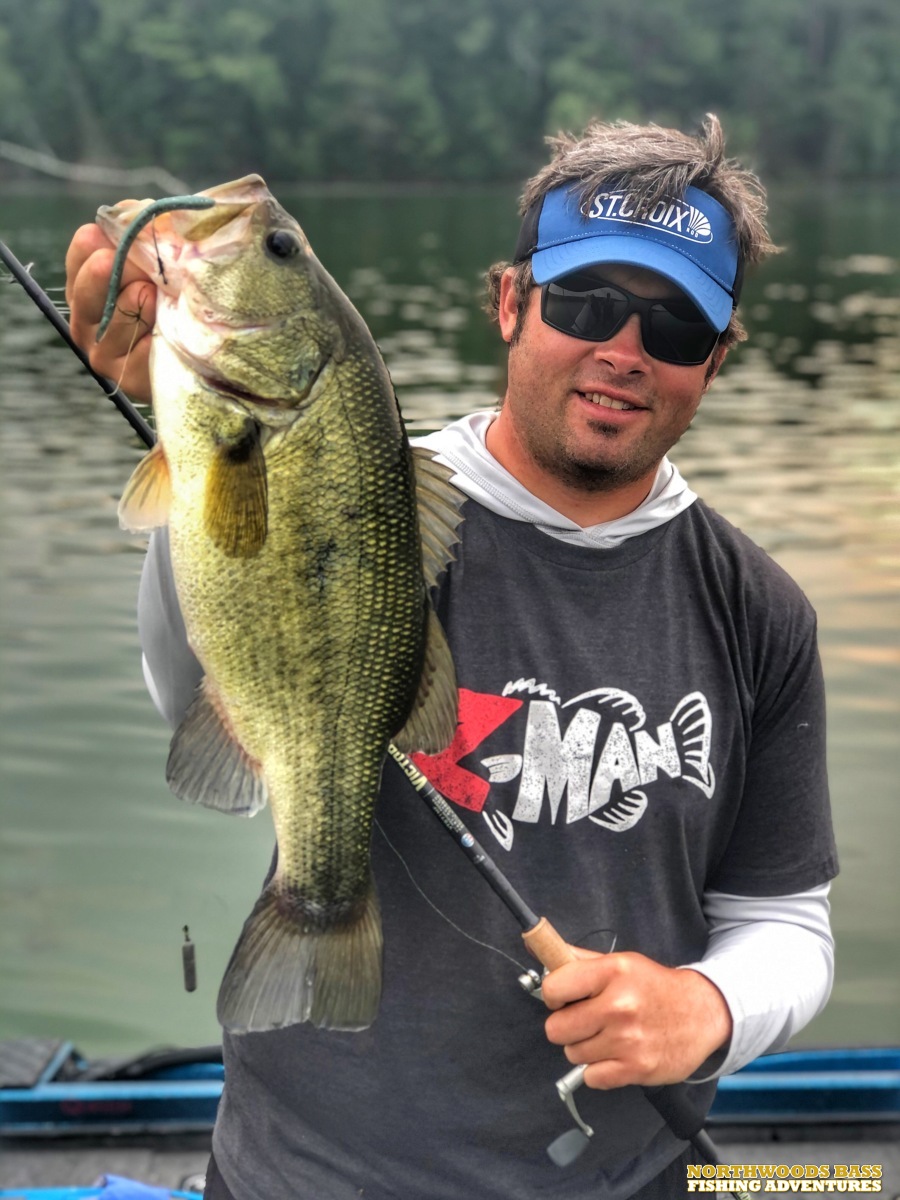
Andrew Ragas splits time between the Chicago area and Wisconsin’s Northwoods. Based in Minocqua, WI, he specializes in trophy bass fishing and offers guided trips from May thru October. While big bass is the passion, he dabbles in multi-species as well. He may be visited online at www.northwoodsbass.com

What you can read next

Articles
 Lakes to Fish and Avoid During Fall TurnoverIt was a hot summer and thermoclines on deep lakes were noticeably ......
 Top Lures for the Early Fall TransitionLate August to early September annually represents the early fall ......
 Fishing Algae Bloom LakesClear in spring and green by late summer, algae blooms are an ......
 Smallmouth Grind-OutsThere’s a great chance that every fishing guide out there has a ......
 Inside Edge LargemouthsLargemouths love edges, and the most desirable fish I catch during ......
 Northern Water Snake PatternsOpportunistic predators with voracious appetites, largemouth bass ......
 Dark Water SmallmouthsWhen thinking about the prototypical and perfect Northwoods ......
 Locating Rip Rap Shorelines on FlowagesWith the local flowages down several feet, use this current drought ......
 Fish CatchersSmallmouth bass fishing has changed immensely over the past decade. ......
 Minimalist Smallmouth Fishing with St. Croix RodsIf you want to catch more fish and learn to be efficient, ......