
Smallmouth Scenarios by Season

Every fish species has a seasonal calendar that in no way resembles ours. My smallmouth bass calendar from spring through fall is intricate, but often relative to specific conditions and my reaction towards them.
Having a well-rounded smallmouth fishing strategy requires a basic understanding of how fish relate to changes in the environment. These could all be weather related, day length, water temperature, clarity, forage, location, growth of vegetation, and biological such as spawning or homing preferences.
If you know the smallmouth’s seasonal calendar, you will also know when and where to go. This will then help you make the best judgment in determining when to go fishing.
During post-spawn for instance (for us this is in mid to late June), smallmouths enjoy weather stability and forage overabundances for the first time all year. Most fish are in the shallows, and feed heavily to recoup the energy and body mass lost during the spawn. Then it all slowly goes downhill thereafter, in which they are forced to seek cooler depths, and relocate to areas of the lake where the food is at.
Smallmouths then adapt and behave accordingly to whatever each day’s conditions are presented forward.
How I Plan to Conquer the Year
Most bass traffic in spring doesn’t visit us in the northwoods until smallmouths are in pre-spawn, on weekends if the weather is nice, or until the fish are vulnerable and on their beds.
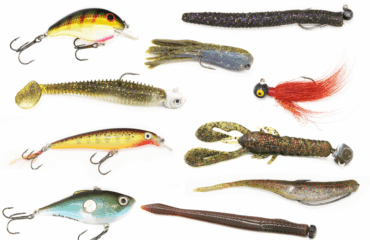
Wherever you go from ice-out through spawn, always prioritize the midday and afternoon hours. As water temperatures peak, smallmouths can fire up on paddletails, suspending jerkbaits, and crankbaits. If calm conditions call for finesse, don’t neglect weightless fluke minnows and marabou jigs.
The summer season meanwhile produces the most intense fishing pressure. As a result, I am forced to avoid high-traffic lakes and popular derby waters on weekends.
To best avoid the traffic, consider fishing early and late. Prioritize weekday fishing if schedule allows. Night fish if you have to, and get confident in doing it. On waters where smallmouths get pounded during the daytime and turn elusive, nighttime motivates them to go on the prowl. Wake them up with loud, surface-pushing topwaters and noisy squarebill crankbaits worked atop of shallow reefs, shoals, and bars.
Each season’s fishing locations and daily destinations will most often relate to weather. A detail-oriented angler will always look at the upcoming forecast to plan out his upcoming days of fishing.
Every night before the next day’s trip, I am deep into my I-phone’s weather apps, and refer to my lake maps on Navionics and C-Map Reveal to match the next day’s weather and winds to a specific waterbody that would be best compatible for it. Pick the lake, then play the wind.
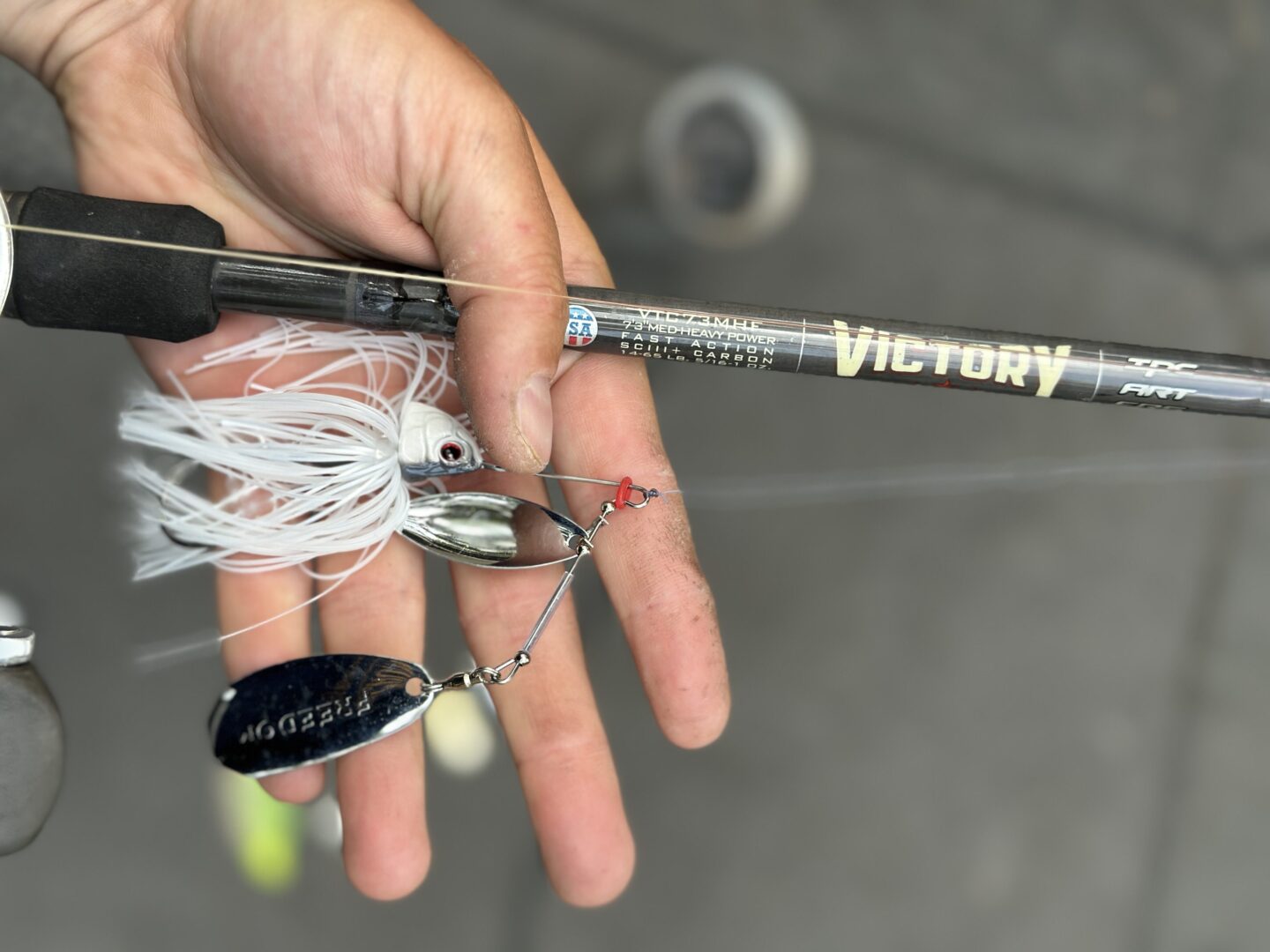
On windy days, it’s spinnerbait, swimbait, and lipless crankbait time. Plan on straining your wrists on long casts and bone-jarring hook sets. We seek windblown sections of the lake. A steady wind of 10 to 15mph is most perfect for my waters, mobile fishing, and boat navigation. Larger winds and huge gusts capable of producing white caps make life difficult on the larger lakes, but we have many smaller, protected lakes for days like those.
If calm, it’s topwater time no matter where you go. Go to the tops of flats, shallow rock humps, shoals, and edges of reed beds. The mayfly hatch as well as overhead conditions and signs of active surface feeding will be your best signals to fish this way.
Other lure choices should be subtle as well, and these should include finesse jig and swimming grub combos, Kalin’s Lunker Grubs, an array of Z-Man ned rigs, weightless flukes, senkos and other stick baits, tube jigs, finesse paddletails, and spybaits. With any of these presentations, long casts with long rods and lighter lines will be the key.
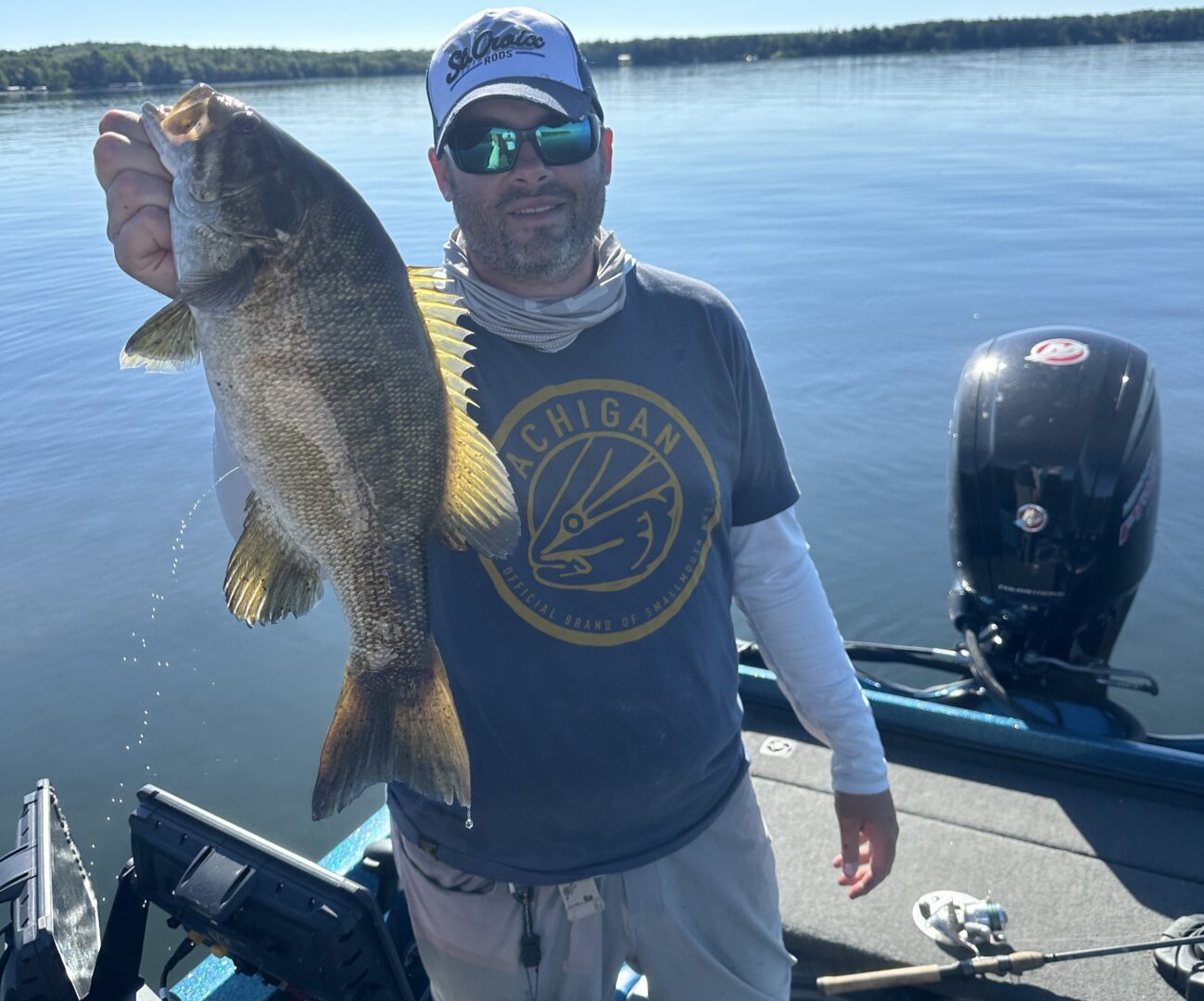
On more normal days with moderate wind, I always favor fishing the windblown side of lakes where we focus on shorelines, flats, weed edges, and reefs. Search baits that fish favorably under these “anytime” conditions are suspending jerkbaits, X-raps, paddletails consisting of Z-Man’s Diezel MinnowZ and Strike King 3.8 Rage Swimmers, swim jig and paddletail combos, and crankbaits. If concentrations of fish are present, and there is a need to spot lock and fish more thoroughly, only at that point would I suggest going in for the kill with ned rigs, tubes, or football jigs.
Wind drives the food chain, and most lakes respond positively to wind. West is best. South is good in early summer. Northwest is good in fall. East is bad every time. Northeast are the worst.
Keep track of direction on a daily basis, as consecutive days of same wind direction can help lead to excellent fishing for all species. Most anglers will overlook this.
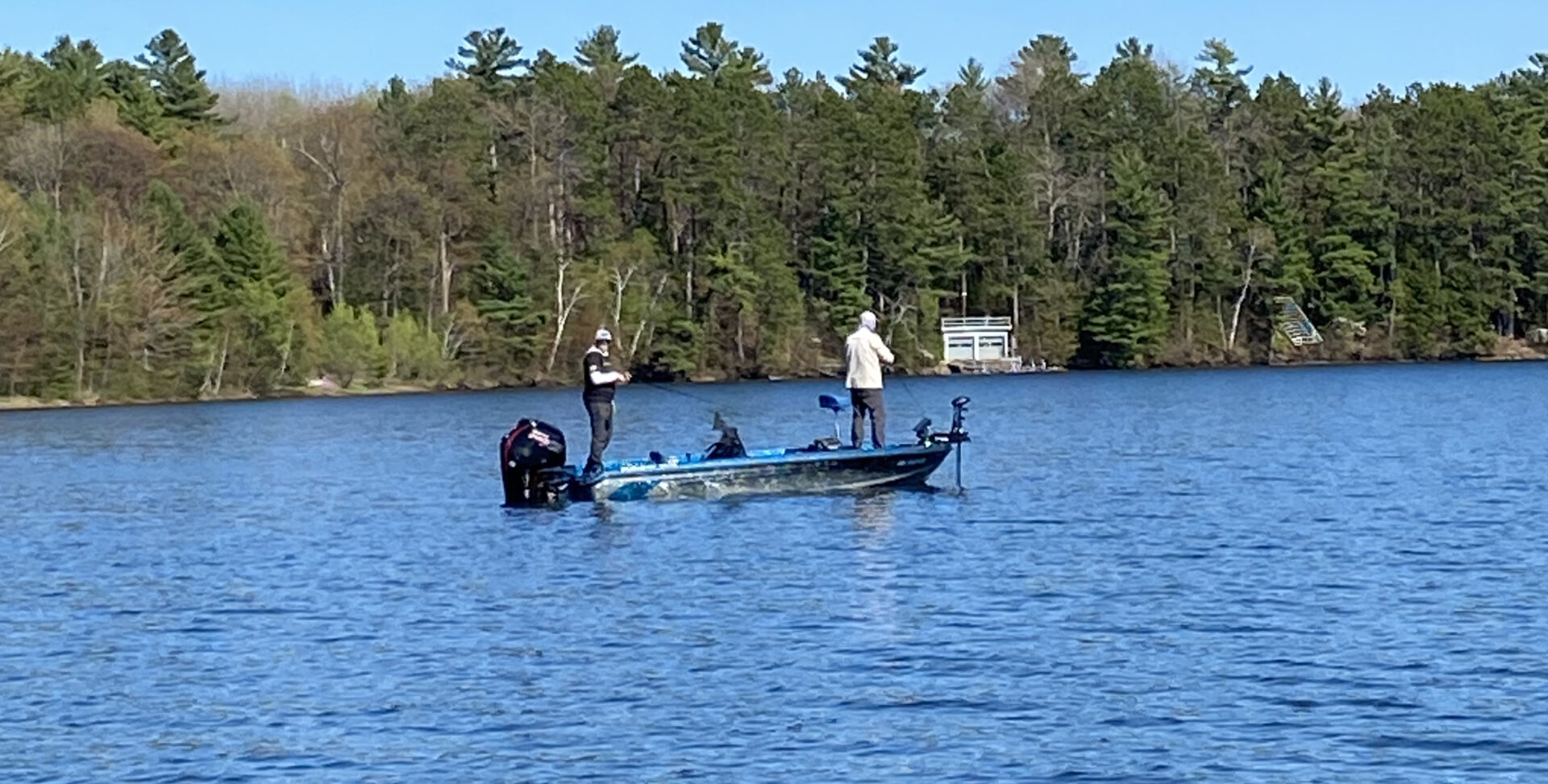
Most smallmouth fisheries respond best to sunlight, but some lakes with high transparency will favor overcast conditions. Darker, cloudy days will make its smallmouths visit the shallows.
No matter the conditions and no matter where, I can almost always tap into any smallmouth fishery with any of these reliable fish catchers:
- Ned Rig (Z-Man TRD and Big TRD)
- Tube jig (Strike King Coffee Tube)
- Jerkbait (X-Rap 08)
- Crankbait (Rapala DT6)
- Paddletail (Z-Man Diezel MinnowZ or MinnowZ or Strike King Rage Swimmer)
- Swimming grub (Kalin’s Lunker Grub)
- Skirted grub (5-inch Chompers)
- Skirted Finesse Jig with Grub
- Wacky Rig (4-inch stick worm leech pattern)
- Football Jig (Jewel Baits Baby PeeWee & Beast Coast)
- Damiki Rig (Z-Man 4-inch Jerk MinnowZ)
Far too many conditions, scenarios, and strategies can play out throughout a typical day and year of fishing, thus, potentially making this a never-ending story. We don’t control each day’s events and conditions, or make smallmouths eat on command, but through action and fishing processes we can influence them and their capture with these like-minded thought processes and courses of action.
Andrew Ragas splits time between the Chicago area and Wisconsin’s Northwoods. Based in Minocqua, WI, he specializes in trophy bass fishing and offers guided trips from May thru October. While big bass is the passion, he dabbles in multi-species as well. He may be visited online at www.northwoodsbass.com


Articles
 My Shallow Water Playbook for Ice Out LargemouthsPromptly at ice out, largemouths swiftly relocate from their ......
 Finding Trophy Bass LakesIt’s no secret that location is the most critical factor in ......
 The Best Lake Types to Fish by SeasonSo many lakes, such little time. It’s easy to get overwhelmed by ......
 My Best Chatterbaits for Spring LargemouthsMarch and April are Chatterbait-centric months for many of us who ......
 Catching Smallmouths if it’s a Cold SpringCold water and below average temperatures of spring are a byproduct ......
 Proven Presentations Only at Ice OutDepending on where you live, ice out could either be nearing or is ......
 Smallmouth Scenarios by SeasonEvery fish species has a seasonal calendar that in no way resembles ......
 The Best Largemouth Bass Lures of 2025I love fishing for big largemouths, and it’s too bad these ......
 The Cheat Code for Sculpin and Goby BaitsLike gooey and greasy cheese curd appetizers to us, gobies and ......
 Catching Smallmouths in November“Andrew, at what point do you stop catching smallmouths in ......