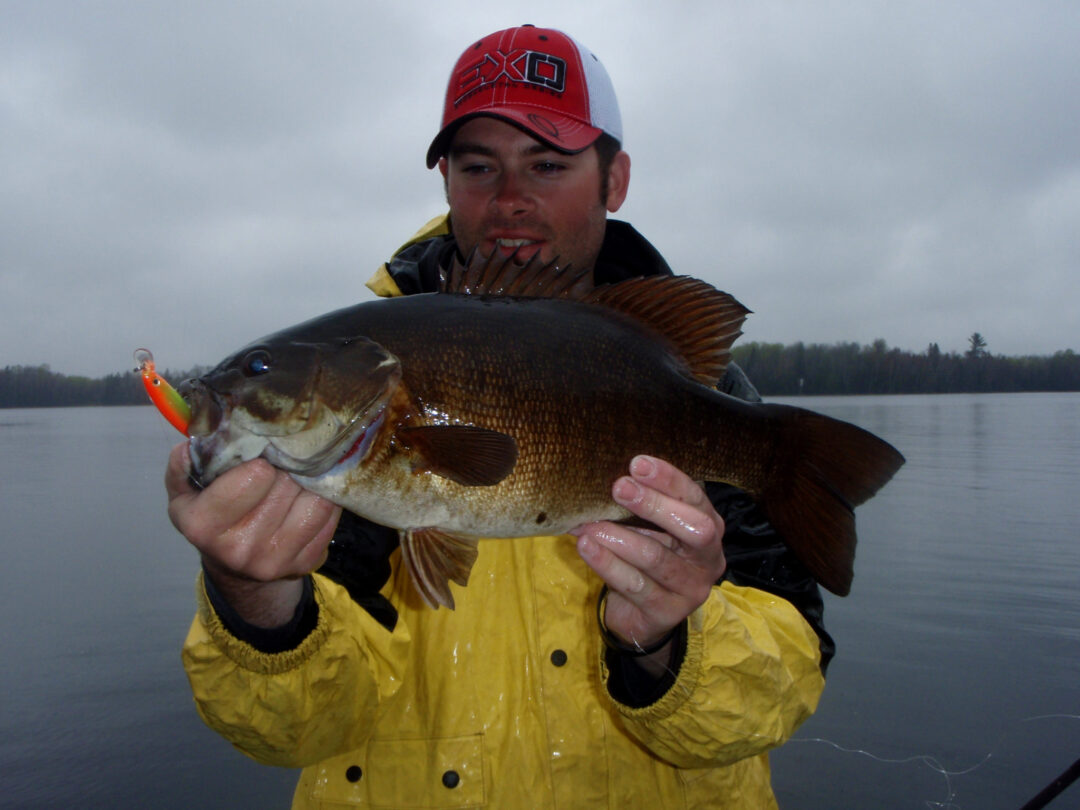

Spring Meteorology and Smallmouth Bass
By Andrew Ragas
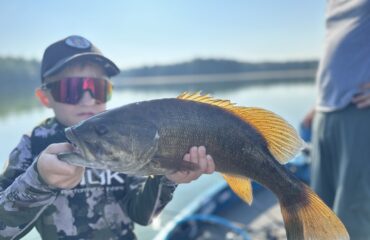
The wind plays a role in determining the outcome of all outdoor sports, including fishing. For smallmouth bass anglers in particular, a wind capable of warming water temperatures plays a significant role in determining early spring fish locations and feeding habits. A beneficial wind and its corresponding warming water temperatures drive feeding patterns in early spring and wake smallmouths up from their dormant winter state. Anglers who fail to understand wind patterns, and lack a sense of spring smallmouth lake locations, learn to embrace the skunk. Meanwhile those who follow the wind and have learned to use it to their advantage will experience the hot early season bite.
In early season, usually as early as mid-May, once water temperatures crest above 48-49 degrees, my best and most productive smallmouth bites of the year take place on big water. On my inland lakes of Wisconsin, these waters range in size between 1,000 and 5,000 acres and possess a border-line cold water fishery that is home to pelagic ciscoes and few trout. Most bass anglers make errors, believing these waters take forever to warm, thus entirely avoiding them until bass are in the sha
What you can read next

Articles
 My Shallow Water Playbook for Ice Out LargemouthsPromptly at ice out, largemouths swiftly relocate from their ......
 Finding Trophy Bass LakesIt’s no secret that location is the most critical factor in ......
 The Best Lake Types to Fish by SeasonSo many lakes, such little time. It’s easy to get overwhelmed by ......
 My Best Chatterbaits for Spring LargemouthsMarch and April are Chatterbait-centric months for many of us who ......
 Catching Smallmouths if it’s a Cold SpringCold water and below average temperatures of spring are a byproduct ......
 Proven Presentations Only at Ice OutDepending on where you live, ice out could either be nearing or is ......
 Smallmouth Scenarios by SeasonEvery fish species has a seasonal calendar that in no way resembles ......
 The Best Largemouth Bass Lures of 2025I love fishing for big largemouths, and it’s too bad these ......
 The Cheat Code for Sculpin and Goby BaitsLike gooey and greasy cheese curd appetizers to us, gobies and ......
 Catching Smallmouths in November“Andrew, at what point do you stop catching smallmouths in ......