
Where to Go Fishing During Cold Fronts

Here in Wisconsin, largemouth and smallmouth lake types and habitats are greatly contrasting. Nearly every bass fishery I go to contains a quality fishery that is managed for only one or the other species, and seldom for both. Largemouths and smallmouths in different types of waters react differently to cold fronts.
Be mindful there isn’t a right or wrong lake to fish at this time due to the difficulty of fishing, but there are places you can go to where the cold front’s affects will be minimized.
At Largemouth Fisheries
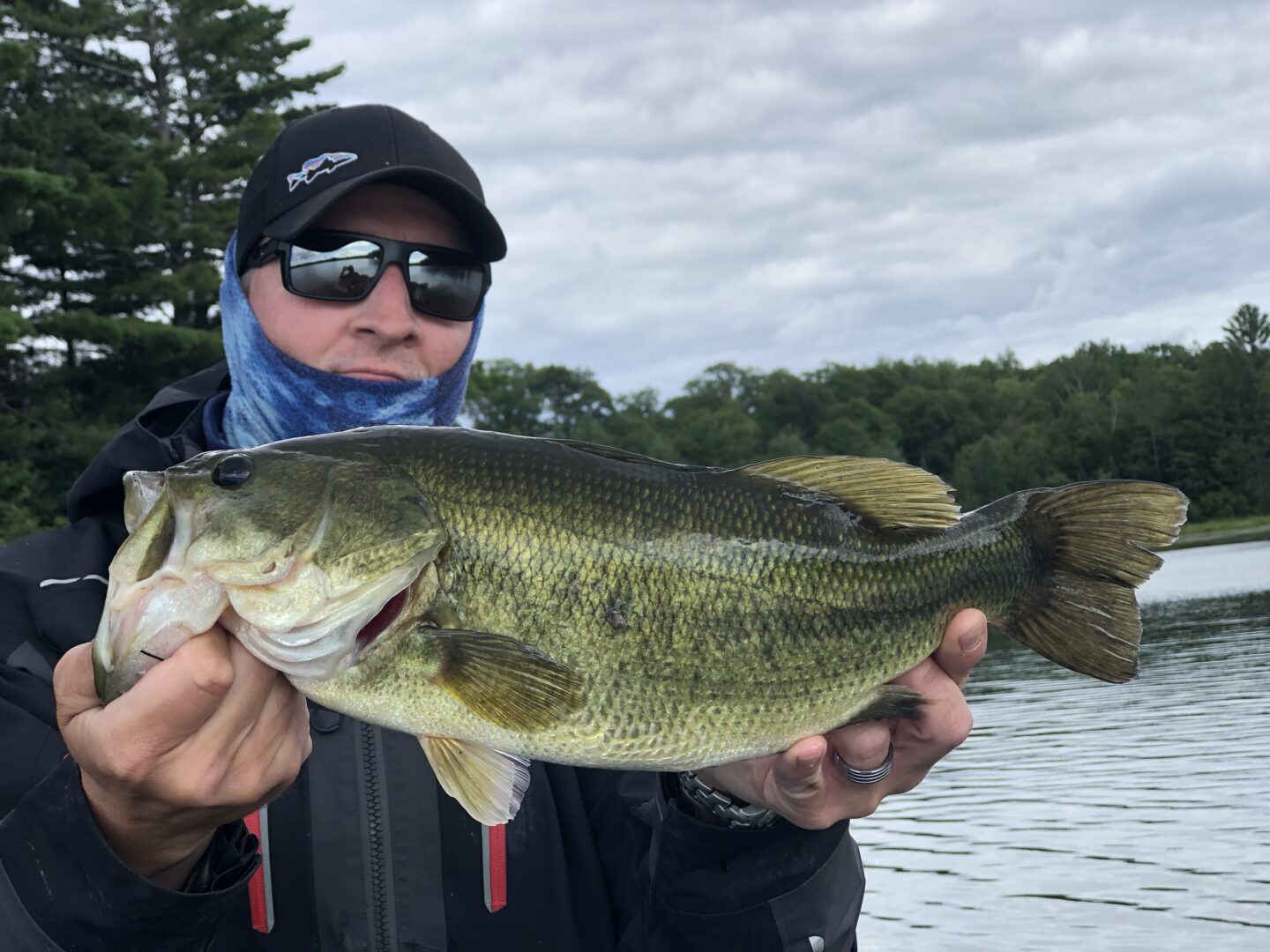
By choice and due to their positive response to cold fronts, largemouth bass are my most sought-after fish species in cold front conditions.
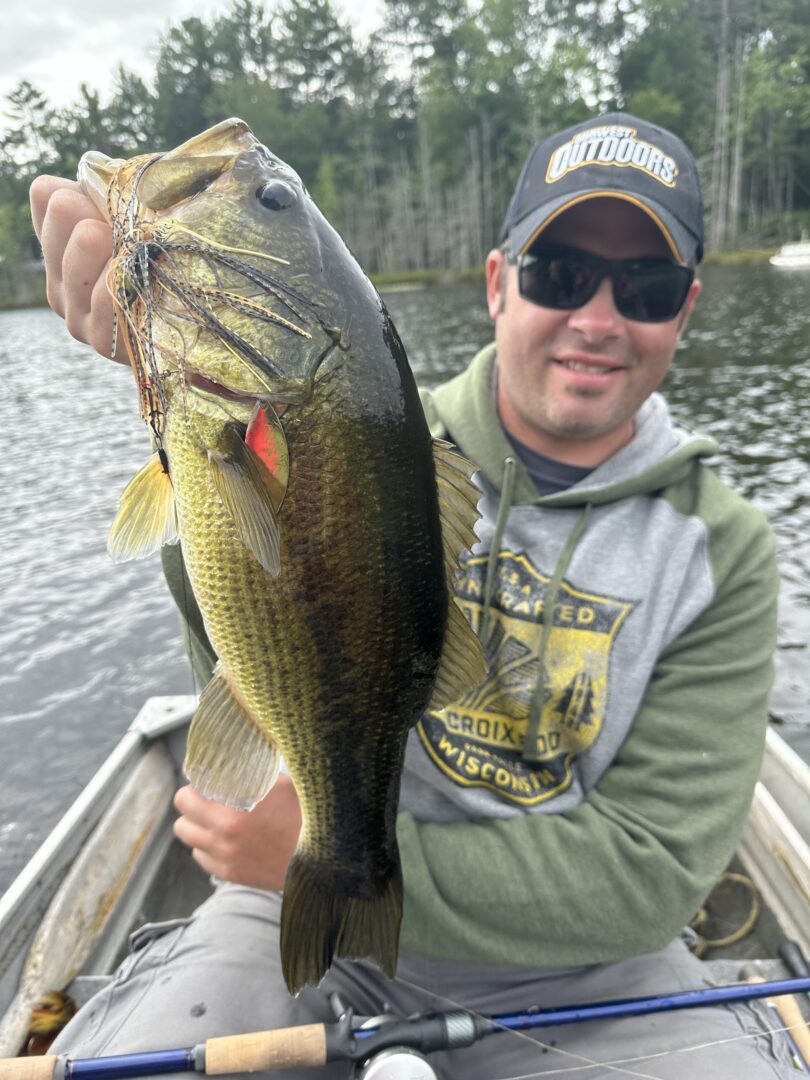
The highest quality largemouth fisheries in the region are shallower lakes that are fertile and heavily vegetated (mesotrophic and eutrophic). Some waters are moderately clear, but the majority are brown clarity or bloomed from summer algal blooms. In cold fronts, largemouths in these lake types tend to go to the deepest and heaviest submergent vegetation they can find.
Otherwise mostly unfishable in mid-summer due to hot water temperature, stagnation and low dissolved oxygen levels, these lakes cool quickly and recover in summer cold fronts. Their largemouth bass react positively to the lake’s own reaction. On these eutrophic and late mesotrophic waters, largemouth bass use their algae bloom’s low visibility waters to prowl the shallows in stealth. They will also set up in and around the thickest and abundant shallow weed cover and slop for not only protection, but feeding opportunities during the cold front.
These largemouth lakes are usually featureless, lacking topography, structure, depth, and basins. However, many of them in mid-summer are rich in near-shore emergent and submergent vegetation, and weed beds galore. Most lakes have a depth consistency of 5 to 10 ft, and can max out at 15 to 20 ft.
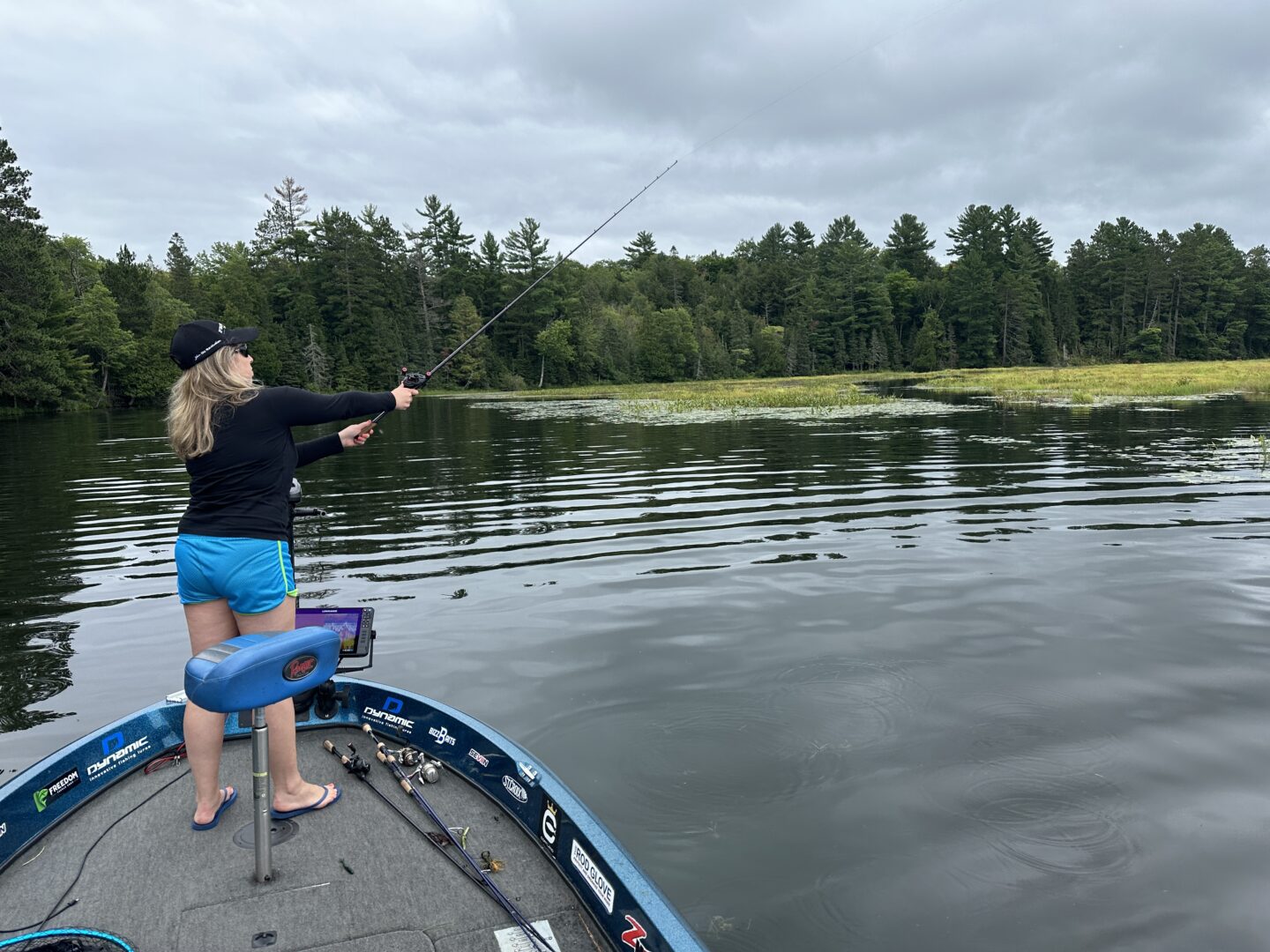
At these fisheries, most shoreline areas can be wood oriented, while others weed oriented. Probing through the shallows and casting or flipping to all targets and open pockets in between weed cover is the name of this game. Coontail and cabbage beds, slop, wood and downed trees, pads, reeds and cattails are just a handful of high percentage targets to look for and focus on.
Compared to other lake types, cold fronts often worsen the fishing on deep, clear water fisheries because their good visibility and sparser weed growth doesn’t provide fish adequate cover and habitat to help largemouths and their swim bladders cope with the conditions. If these lake types are your options, largemouths will commonly hold tight to near shore habitats that include wood cover, docks, and emergent littoral zone cover. Out in deeper water, fish cribs and the deepest, tallest weed edges available will hold largemouths too.
At Smallmouth Fisheries
I’ve learned over the years not to beat a dead horse. We’ve spent many cold front days on challenging waters that are deep and clear with hopes of coaxing a trophy bite or two. The only problem on these lakes is smallmouths don’t have many places to hide and retreat to. Without the habitats and structure, finding a trophy becomes a needle in a haystack. And if you find them, most smallmouths are reluctant to feed willingly, or move far from their spots.
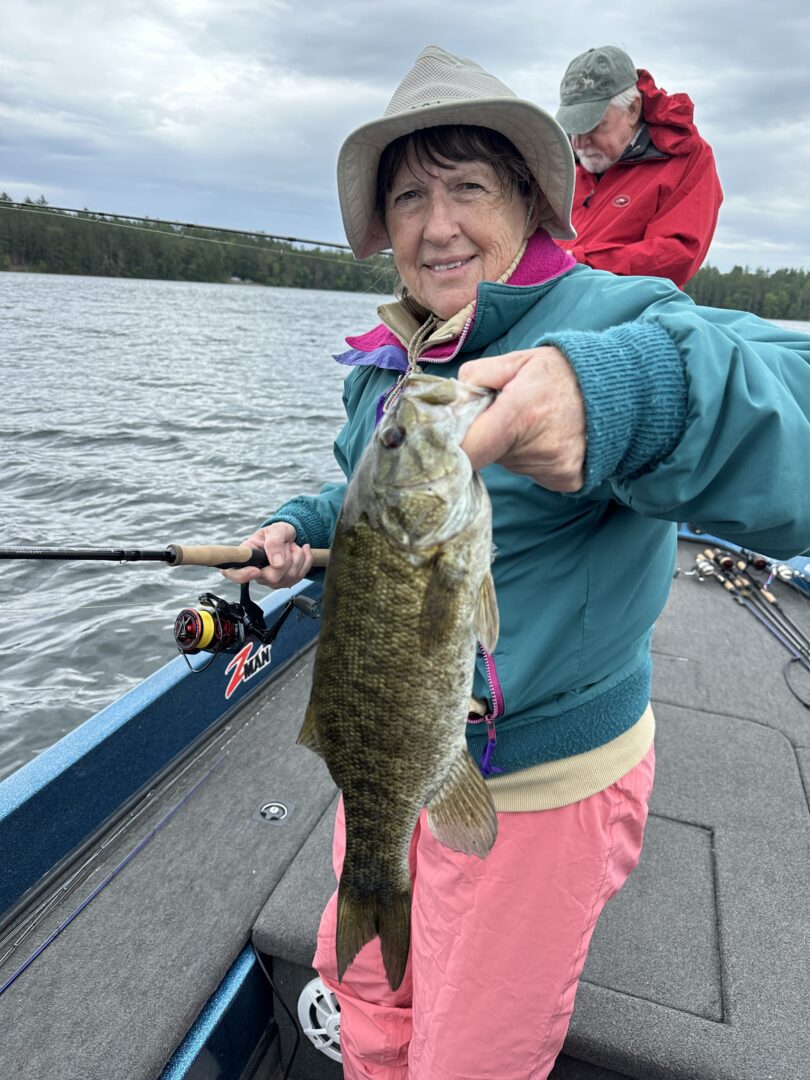
Nowadays, what I do altogether is avoid the clear, featureless lakes lacking hideouts and cover. Instead, I will seek shallower, fertile lakes and systems with weed and wood cover, and rock habitat.
River systems, flowages, and dark water natural lakes are excellent cold front options whose smallmouth fisheries utilize their habitats and protection they provide.
Rivers and flowages are the most ideal smallmouth fisheries in cold fronts due to their reduced visibility and currents – both of which mask the affects of cold fronts and consequently their smallmouths tend to behave and feed under more normal circumstances. Another benefit of fishing them is cold fronts can quickly lower their warm summertime water temperatures.
Rivers and flowages are top smallmouth destinations for us in spring and fall. They offer smallmouths not only the topography and structure such as deep holes to retreat into, but a wealth of habitat too, such as rock, boulders, wood, and plant species. Throughout the year, and as dictated by water temperature, smallmouths can dwell shallow on these fisheries.
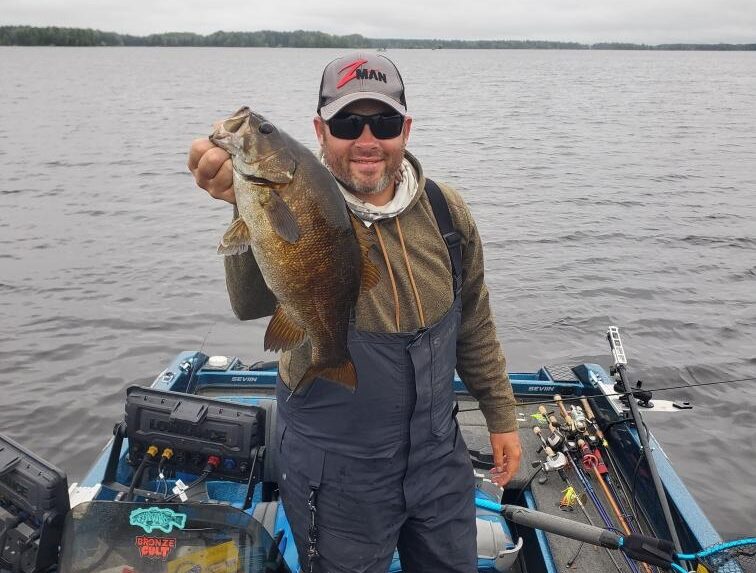
Dark water natural lakes meanwhile will contain active smallmouths too. The landscape of the Northwoods contains several dark brown & tannic waters whose high fertility grows smallmouths quickly and large. The robust fish in these waters too have no shortage of adverse condition hangouts that includes weed lines, bulrush beds, wood, cribs, reefs and rock piles. Despite their very low visibility being a turnoff to most serious smallmouth anglers, some of the largest and heaviest inland water smallmouths in the state of Wisconsin reside in these overlooked lake types.
If you must fish clearer waters and typical lake types, look for waters that have weed growth (milfoil beds), and active fish crib programs.
Milfoil is among the best form of protection smallmouths enjoy. Where dense near-shore pockets and weedlines are available, smallmouths can be found attached and stacked up against this cover.
On lakes that have them, fish cribs are smallmouth magnets. Fish often gravitate to these large, man-made wood structures if the lake provides nothing else for cover and protection. Fish cribs have been built and submerged by DNR agencies and lake associations across several lakes for purposes of creating artificial habitat and fisheries enhancements. Their depths and lake placements on most Wisconsin inland lakes are commonly between 12 to 16 feet. These fish attractors are excellent smallmouth habitats year-round, and further appealing in cold fronts as they can pin up next to logs or lay inside of them.
Last, it always helps to go to action waters on these types of days too.


Fishing Tips and Short Stories
 Smallmouth Scenarios by SeasonEvery fish species has a seasonal calendar that in no way resembles .....
 Where to Go Fishing During Cold FrontsHere in Wisconsin, largemouth and smallmouth lake types and .....
 Perfect Plants to LargemouthsThe lives and feeding patterns of largemouth bass revolves around .....
 Finding Trophy Largemouth LakesRealize that not every lake is capable of growing and rearing .....
 Kid Friendly Smallmouth LuresKeep lure selection simple, and outfit a child with the simplest .....
 Tracking Midsummer Largemouth Bluegill BitesBluegills are the backbone and lifeblood of all good largemouth .....
 My Dark Brown Water Smallmouth SecretThe Bama Craw Z-Man Fishing Products Chatterbait Elite EVO .....
 Opportunistic Feeding and Junk Weather WindowsUnlike us, big fish don’t read through the phone’s weather apps or .....
 The Best Early Season Largemouth FisheriesWhere to go and what to do in early spring is a calculation, as not .....
 River Patterns, Spring thru FallRiver fisheries continue to be lower-class smallmouth destinations .....