
Where to Go for Largemouths During Cold Fronts

Here in Wisconsin, largemouth and smallmouth lake types and habitats are greatly contrasting. Nearly every bass fishery I go to contains a quality fishery that is managed for only one or the other species, and seldom for both. Largemouths and smallmouths in different types of waters react differently to cold fronts.
Be mindful there isn’t a right or wrong lake to fish at this time due to the difficulty of fishing, but there are places you can go to where the cold front’s affects will be minimized.
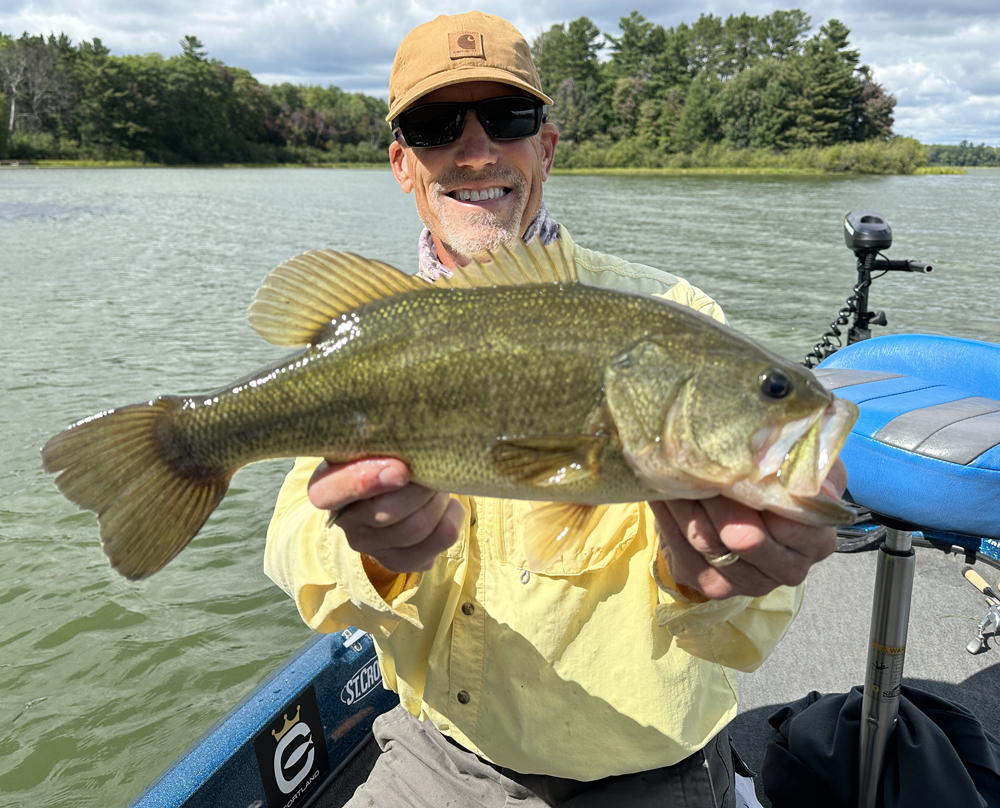
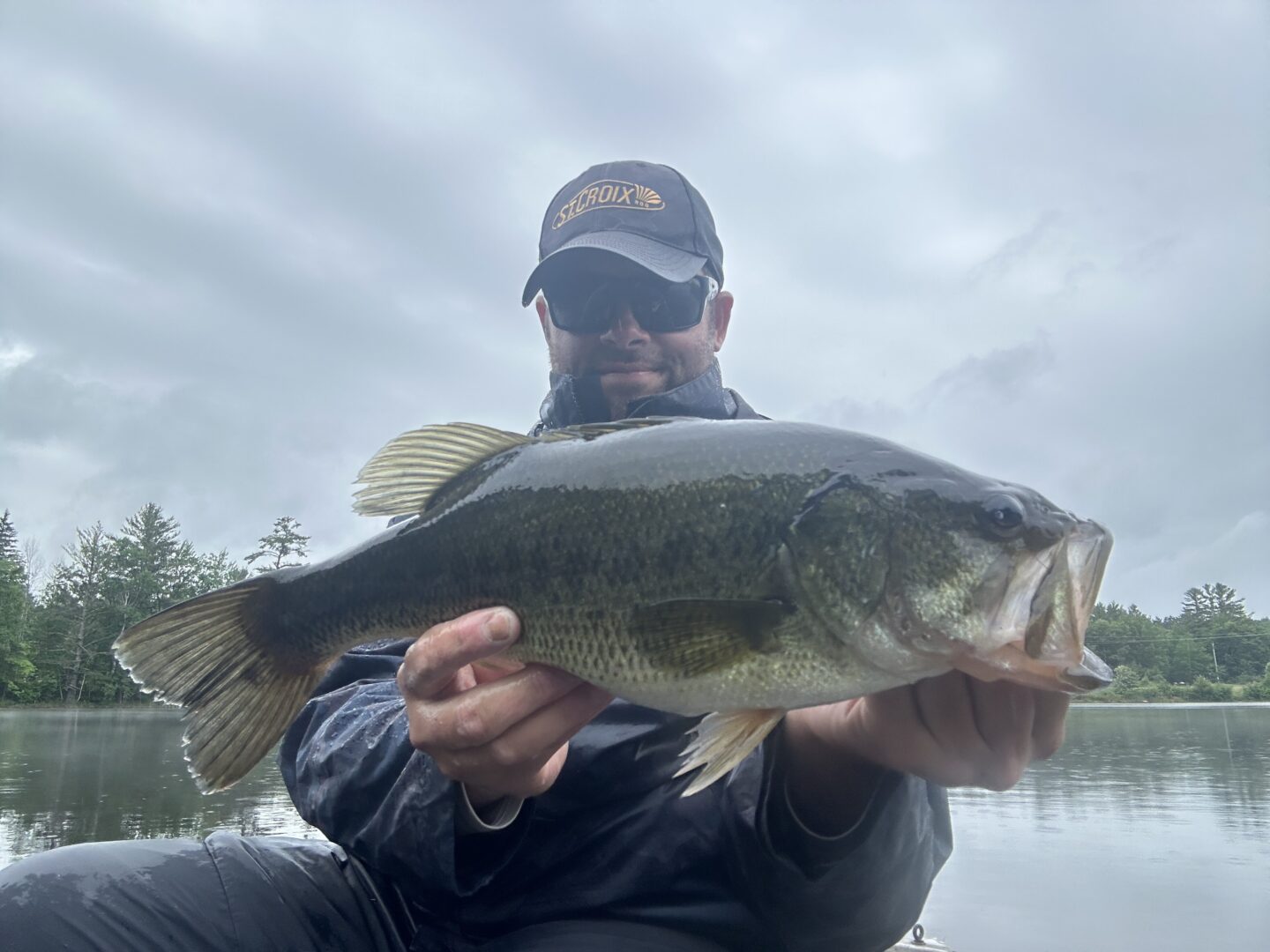
By choice and due to their positive response to cold fronts, largemouth bass are my most sought-after fish species in cold front conditions.
The highest quality largemouth fisheries in the region are shallower lakes that are fertile and heavily vegetated (mesotrophic and eutrophic). Some waters are moderately clear, but the majority are brown clarity or bloomed from summer algal blooms. In cold fronts, largemouths in these lake types tend to go to the deepest and heaviest submergent vegetation they can find.
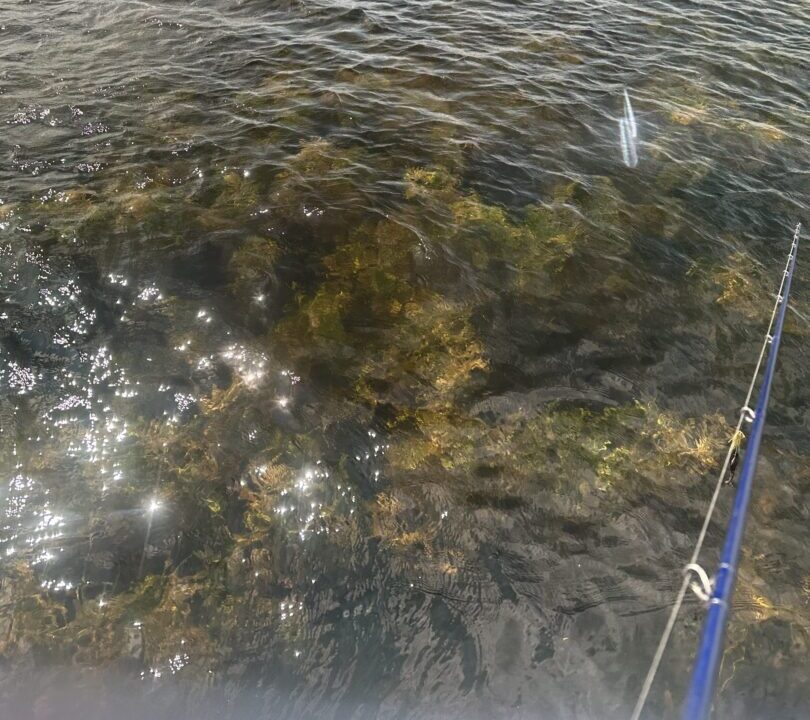
Otherwise mostly unfishable in mid-summer due to hot water temperature, stagnation and low dissolved oxygen levels, these lakes cool quickly and recover in summer cold fronts. Their largemouth bass react positively to the lake’s own reaction. On these eutrophic and late mesotrophic waters, largemouth bass use their algae bloom’s low visibility waters to prowl the shallows in stealth. They will also set up in and around the thickest and abundant shallow weed cover and slop for not only protection, but feeding opportunities during the cold front.
These largemouth lakes are usually featureless, lacking topography, structure, depth, and basins. However, many of them in mid-summer are rich in near-shore emergent and submergent vegetation, and weed beds galore. Most lakes have a depth consistency of 5 to 10 ft, and can max out at 15 to 20 ft.
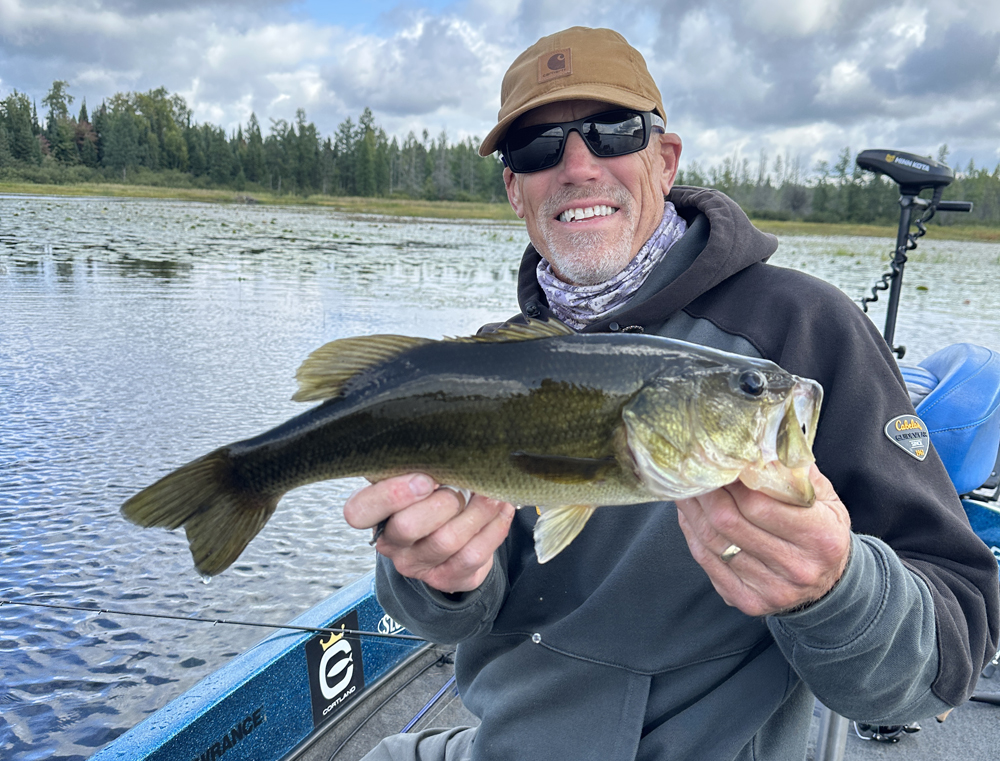
At these fisheries, most shoreline areas can be wood oriented, while others weed oriented. Probing through the shallows and casting or flipping to all targets and open pockets in between weed cover is the name of this game. Coontail and cabbage beds, slop, wood and downed trees, pads, reeds and cattails are just a handful of high percentage targets to look for and focus on.
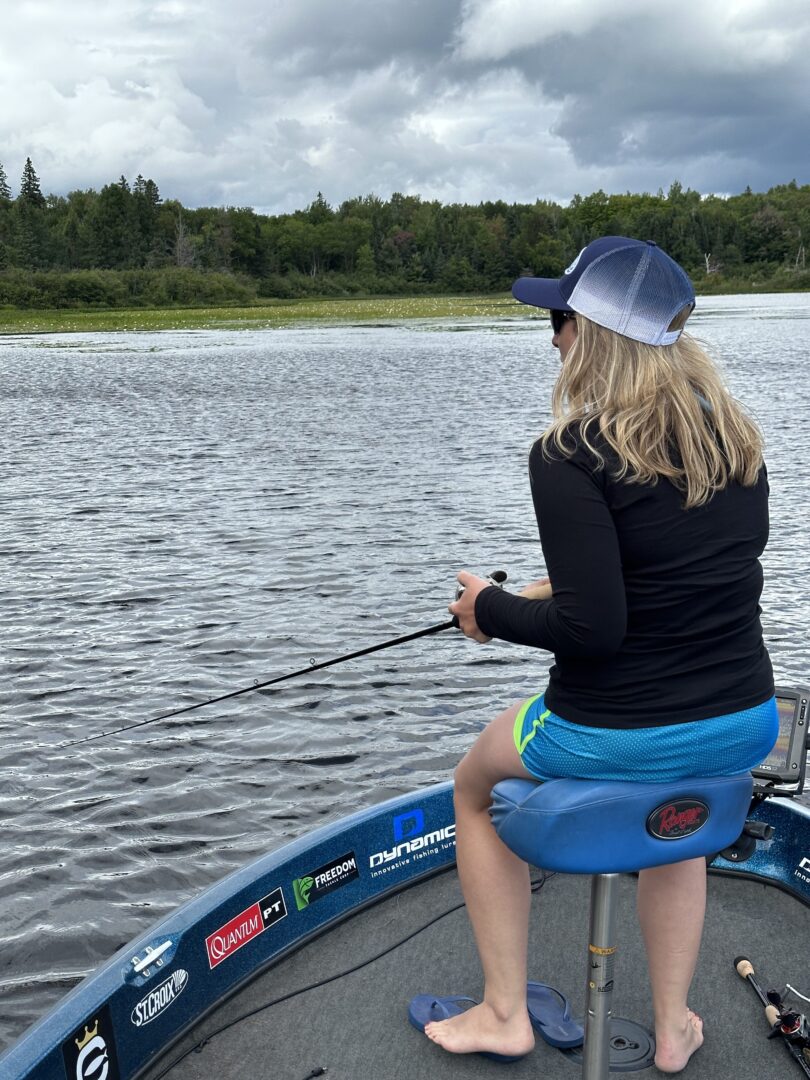
Compared to other lake types, cold fronts often worsen the fishing on deep, clear water fisheries because their good visibility and sparser weed growth doesn’t provide fish adequate cover and habitat to help largemouths and their swim bladders cope with the conditions. If these lake types are your options, largemouths will commonly hold tight to near shore habitats that include wood cover, docks, and emergent littoral zone cover. Out in deeper water, fish cribs and the deepest, tallest weed edges available will hold largemouths too.

What you can read next

Articles
 My Shallow Water Playbook for Ice Out LargemouthsPromptly at ice out, largemouths swiftly relocate from their ......
 Finding Trophy Bass LakesIt’s no secret that location is the most critical factor in ......
 The Best Lake Types to Fish by SeasonSo many lakes, such little time. It’s easy to get overwhelmed by ......
 My Best Chatterbaits for Spring LargemouthsMarch and April are Chatterbait-centric months for many of us who ......
 Catching Smallmouths if it’s a Cold SpringCold water and below average temperatures of spring are a byproduct ......
 Proven Presentations Only at Ice OutDepending on where you live, ice out could either be nearing or is ......
 Smallmouth Scenarios by SeasonEvery fish species has a seasonal calendar that in no way resembles ......
 The Best Largemouth Bass Lures of 2025I love fishing for big largemouths, and it’s too bad these ......
 The Cheat Code for Sculpin and Goby BaitsLike gooey and greasy cheese curd appetizers to us, gobies and ......
 Catching Smallmouths in November“Andrew, at what point do you stop catching smallmouths in ......