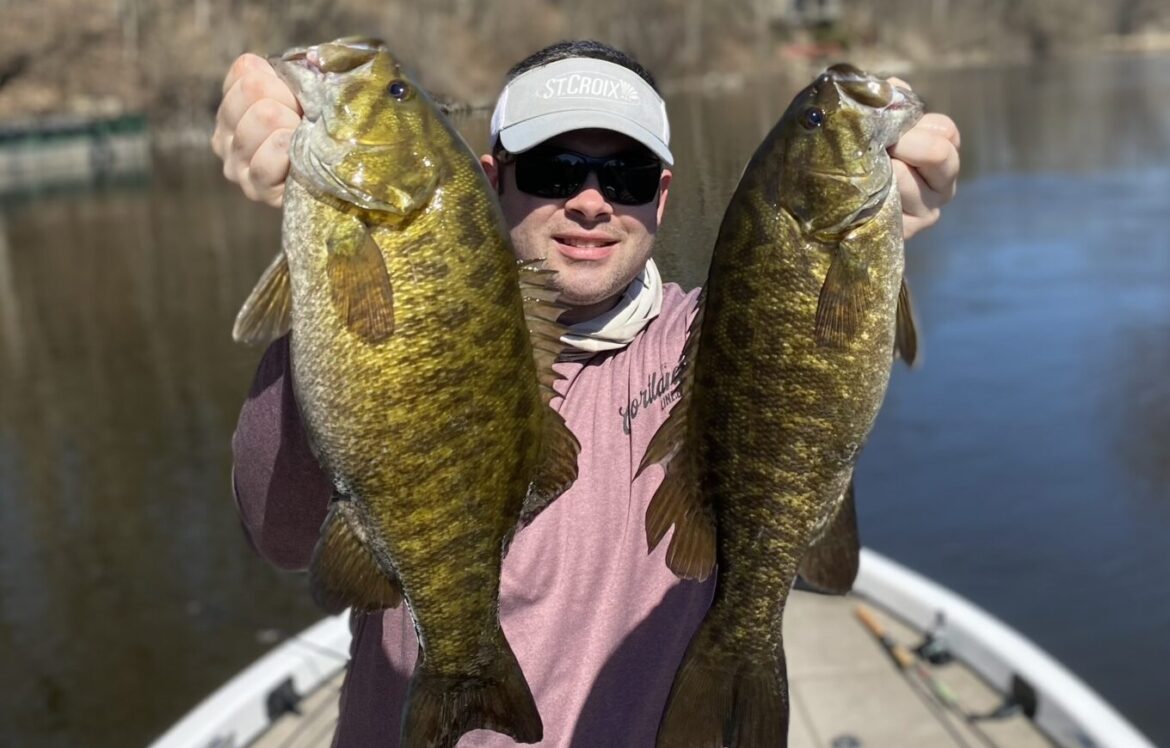
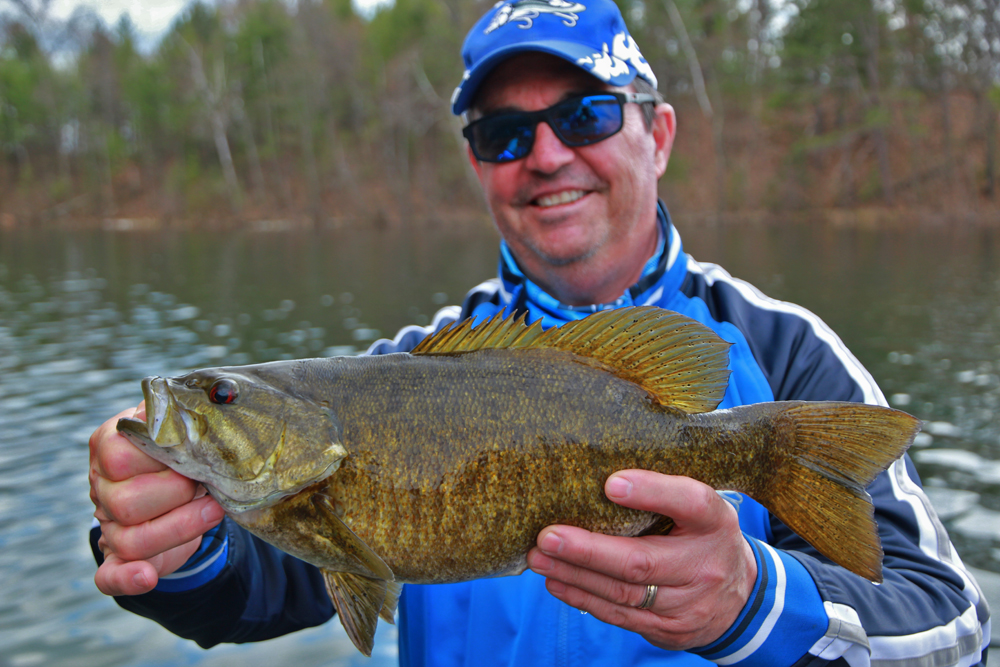
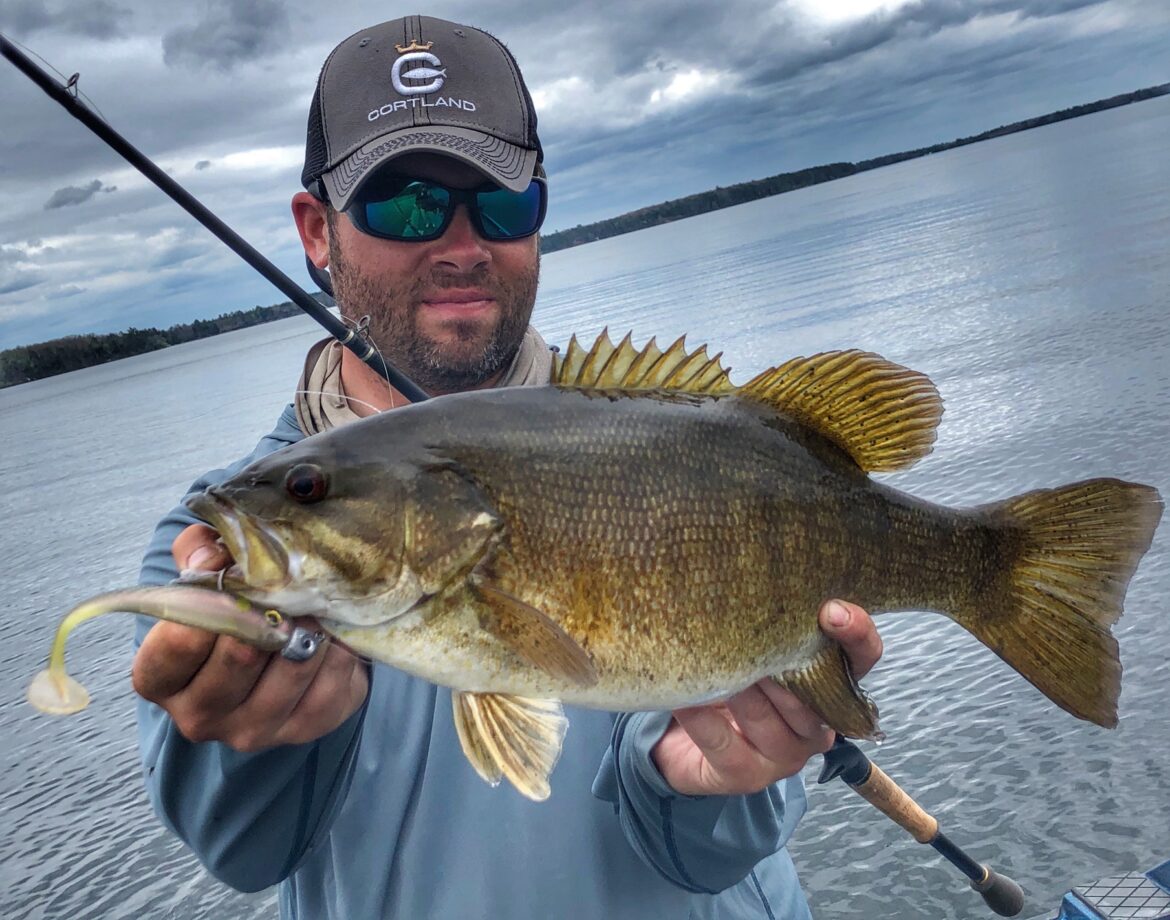
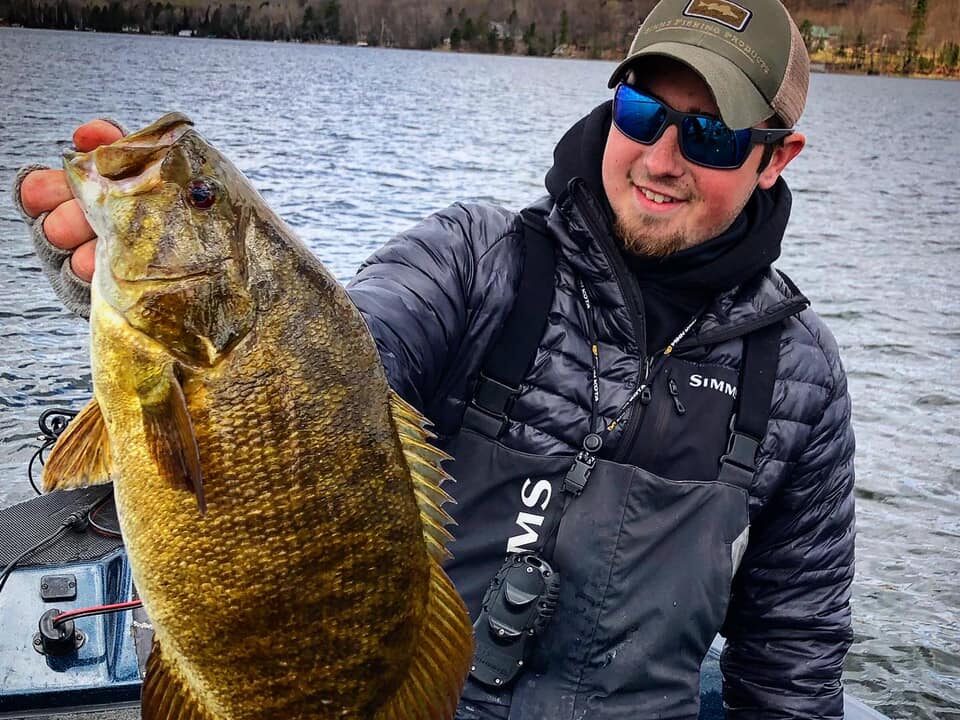
After ice-out, smallmouth undertake structural migrations from wintering sites to their staging locations, utilizing the lake’s contours and breaklines as their trail in order to reach these temporary destinations.
Across many northern waters, smallmouth activity begins immediately after ice-out. Where catch and release-only regulations are implemented in Michigan and Wisconsin, it’s now possible to target smallmouths in spring
Winter relents. Spring creeps in. Ice has finished melting, and we have open water once again. At this time, smallmouths are schooling together and stacked; programmed to undergo structural
Specific lake locations that conduct heat are instrumental in scoring early season bass fishing success. The areas that warm quickest are determined by underwater structure and the lake’s geography.
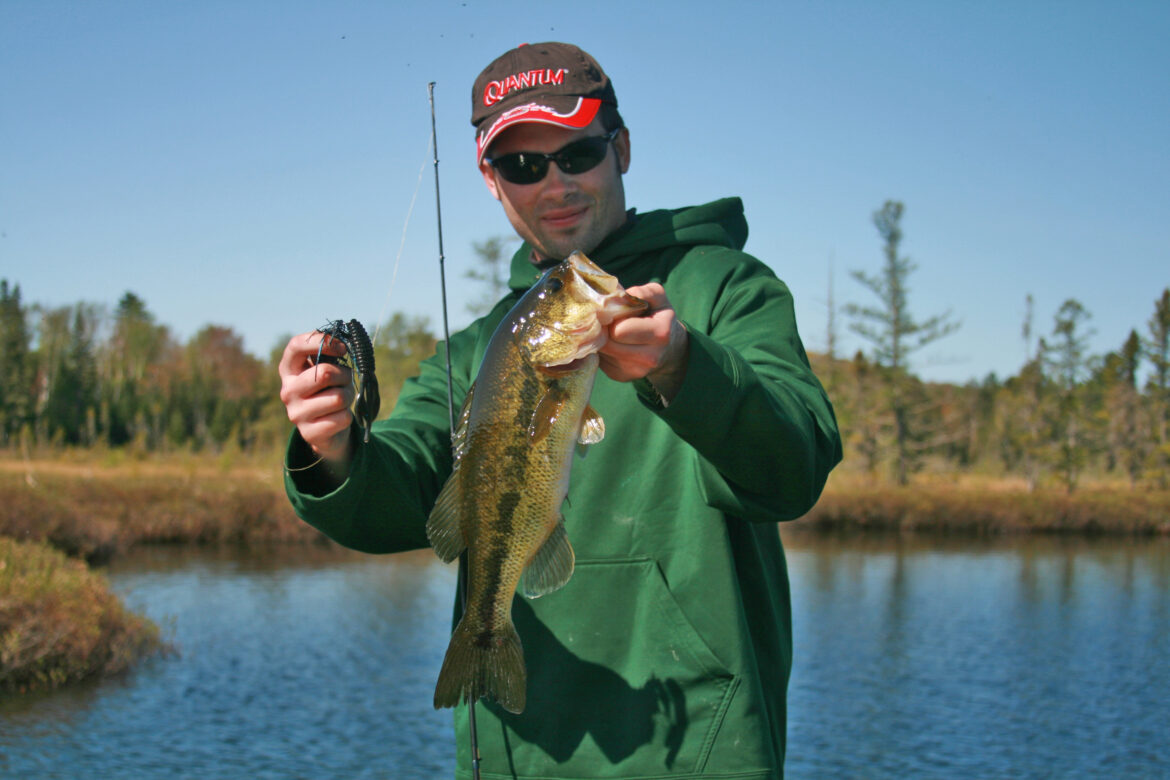
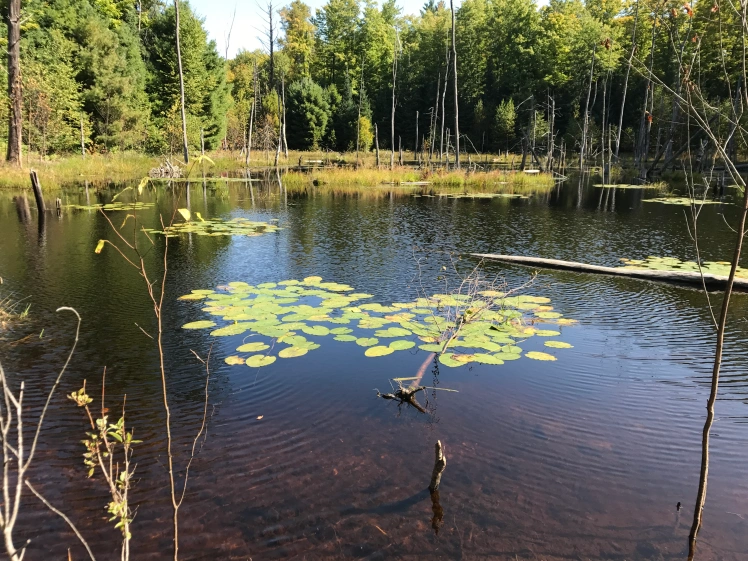
When emergent weed growth fails to sprout in spring, largemouths seek and favor alternative habitats and sources of cover. In recent seasons, this has become the scenario and common
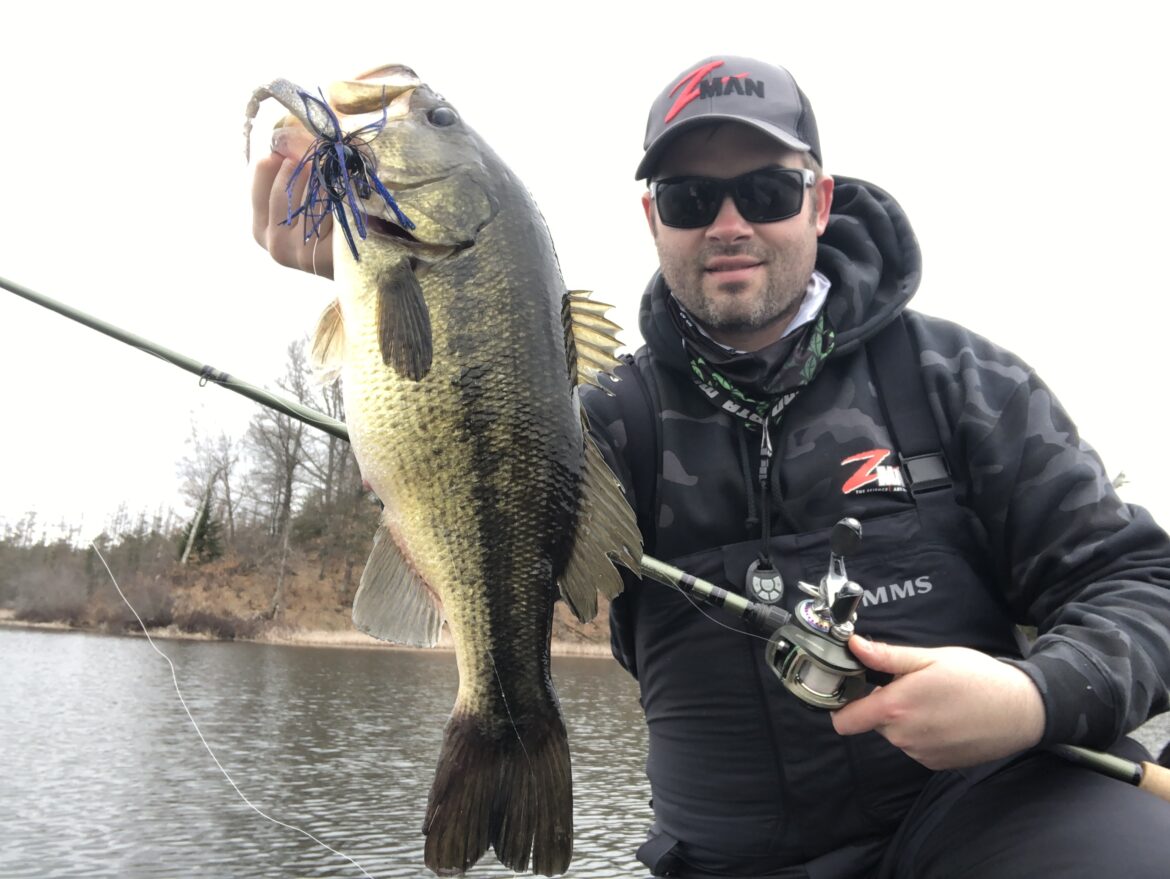
When it comes to catching spring largemouths, aggressive and vibration-emitting horizontal presentations are lure choice guidelines to follow. In some other instances such as colder water and adverse conditions,